



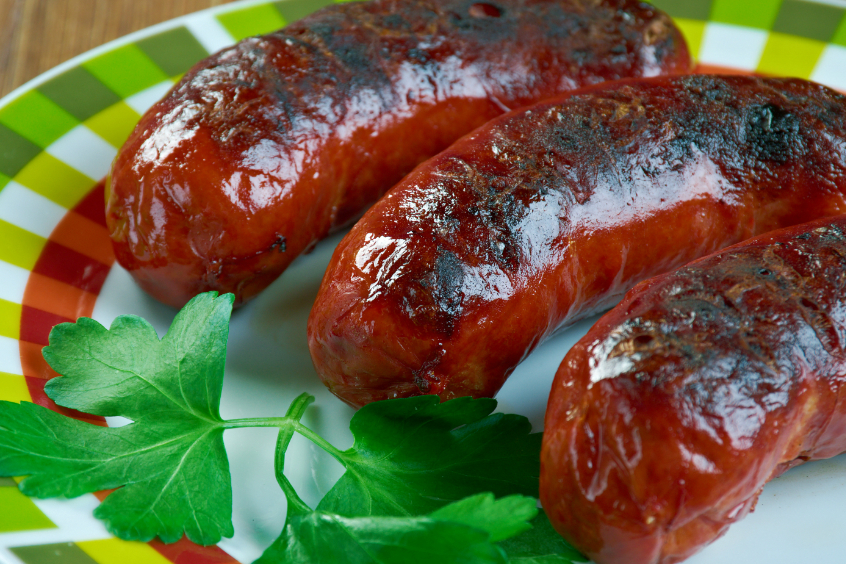
Amidst the serene landscapes of Finland, where pristine lakes mirror the endless sky, lies a culinary tradition that captures the essence of Finnish simplicity and heartiness: the Grillimakkara. These generous sausages are not just a staple food but a cultural symbol, connecting Finland's rich history with its contemporary lifestyle.
The story of Grillimakkara is intertwined with Finland's post-war era when the country was rebuilding and reconnecting with its roots. These sausages, typically made from a mixture of pork and beef, emerged as a popular street food in the 1950s. They are deeply embedded in Finnish culture, often associated with family gatherings and outdoor adventures. The practice of grilling sausages is believed to draw from ancient Finnish traditions of cooking over an open flame, a method that resonates with the country's deep connection to nature.
While the history of Grillimakkara is relatively modern, its roots can be traced back to the Nordic people's age-old culinary practices. The use of simple ingredients, such as meats, salt, and natural spices, speaks to Finland's historical reliance on locally sourced food. As a result, Grillimakkara represents more than just a meal; it embodies the resilience and resourcefulness of the Finnish people.
The art and architecture surrounding Finland tell a tale of minimalist beauty and functional design, which is reflected in the straightforward yet effective preparation of Grillimakkara. Much like the clean lines of Finnish architecture, these sausages are unpretentious yet satisfying. They are often served with a dollop of robust mustard, adding a burst of flavor that complements their smoky essence. This simplicity mirrors the country's architectural landmarks, such as the Helsinki Cathedral and the works of renowned Finnish architect Alvar Aalto, known for his ability to blend form and function seamlessly.
Culturally, Grillimakkara is a fixture at numerous Finnish festivals and events, such as the midsummer celebration, Juhannus, where it is customary to enjoy these sausages by the glow of a bonfire. This tradition is a nod to the long-standing Finnish custom of gathering family and friends to share food and stories, strengthening communal ties. Such gatherings are a testament to the shared cultural heritage that Grillimakkara has come to represent.
When it comes to gastronomy, Finland offers a cornucopia of flavors that extend beyond Grillimakkara. The Finnish culinary landscape includes delights such as Karjalanpiirakka (Karelian pasties), Ruisleipä (rye bread), and Kalakukko (fish pie), all of which highlight the country's profound connection to its land and waters. The diverse array of foods provides a window into Finland's agricultural and fishing traditions that sustain its people.
An intriguing aspect of Grillimakkara is its ability to bring people together across generations. Whether enjoyed at a bustling summer market or a quiet lakeside retreat, these sausages are a common thread in the Finnish way of life. A lesser-known curiosity is that some locals prefer to pair Grillimakkara with Finnish beer, particularly during long, light summer evenings, heightening the experience of savoring each bite.
For those planning a visit, the best time to experience Grillimakkara is during the summer months, from June to August, when the days are long, and the weather is ideal for outdoor activities. To truly appreciate this Finnish delicacy, visitors should seek out local markets or join a festival where Grillimakkara is freshly prepared. It is also worth noting that Finns take great pride in sustainable living; hence, visitors are encouraged to participate in eco-friendly practices while enjoying their stay.
In conclusion, Grillimakkara is more than just a culinary delight; it is a symbol of Finnish heritage and identity. From its historical roots to its cultural significance, these sausages offer a taste of Finland's past and present. As you bite into a piece of Grillimakkara, you are not just experiencing a meal but partaking in a tradition that echoes through the ages of Finnish history.
