
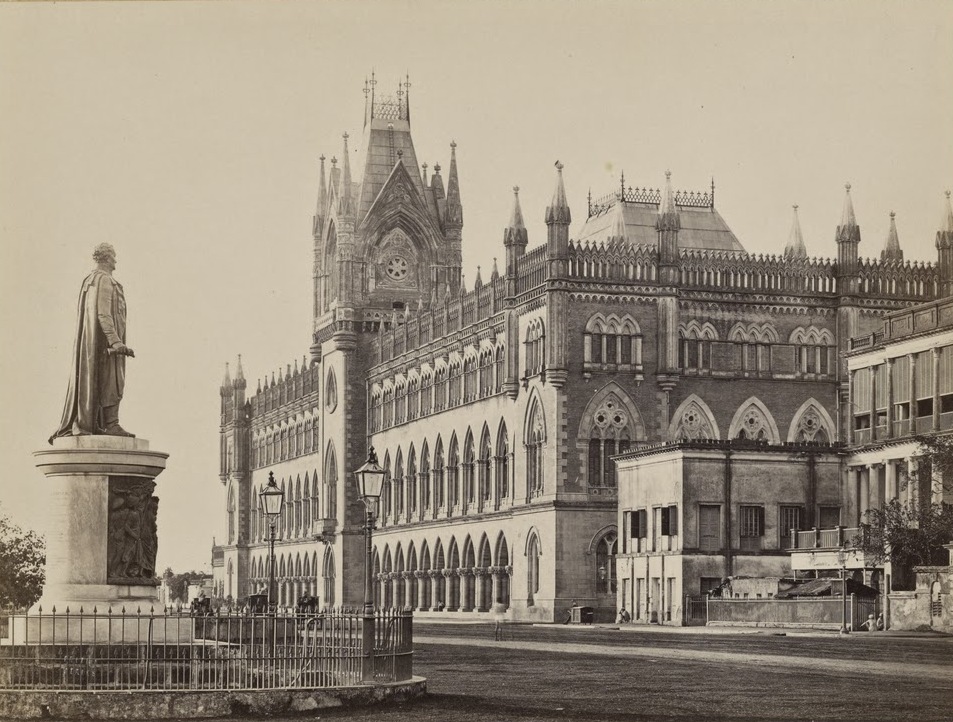

The Calcutta High Court, standing majestically on the banks of the Hooghly River in Kolkata, is not only the oldest High Court in India but also a splendid representation of architectural prowess and colonial history. Established in 1862, this iconic structure is deeply embedded in the fabric of Indian judicial history, marking the evolution of legal processes in the country from colonial times to the present day.
The court's design draws inspiration from the Cloth Hall in Ypres, Belgium, a brilliant example of the Neo-Gothic architectural style that was prevalent in Europe during the time. The building's imposing red-brick façade, pointed arches, and intricate detailing exude a sense of authority and elegance. The architect, Walter Granville, meticulously crafted the court to embody both functionality and grandeur, making it a landmark of architectural significance in India.
Delving into the history and origins of the Calcutta High Court reveals a tapestry of colonial influence intertwined with Indian legal development. It was established under the High Courts Act of 1861, following the reorganization of the judicial system by the British to streamline legal proceedings in their Indian colony. Throughout its history, the court has borne witness to pivotal events, such as the famous Alipore Bomb Case trial in 1908, which involved prominent figures in the Indian independence movement, including Aurobindo Ghosh.

Beyond its legal significance, the Calcutta High Court is a cultural beacon in Kolkata. The city's cultural traditions are rich and varied, with the court often serving as a backdrop to the vibrant festivals and customs that define the region. During Durga Puja, the most celebrated festival in Kolkata, the area around the court becomes a hive of activity, with processions and cultural performances bringing the city to life. The court, though a place of solemn proceedings, is deeply enmeshed in the local traditions that celebrate life and spirituality.
No exploration of Kolkata is complete without indulging in its gastronomy. The area surrounding the Calcutta High Court is a treasure trove of culinary delights. Visitors can savor local favorites such as Kathi rolls, a delicious street food consisting of spicy chicken or paneer wrapped in flaky paratha, and Mishti Doi, a sweetened yogurt that offers a perfect balance of tartness and sweetness. These flavors are a testament to the city's ability to blend traditional recipes with modern tastes.
While the architectural magnificence and historical gravitas of the Calcutta High Court draw many, there are lesser-known curiosities that often escape the average tourist's attention. For instance, the court houses a remarkable library, with rare legal books and documents that date back to the British era, offering a glimpse into the legal legacy of the time. Additionally, the court's corridors and chambers are adorned with portraits of eminent judges and lawyers who have played pivotal roles in shaping India's legal landscape.
For those planning a visit, some practical information can enhance the experience. The best time to visit Kolkata is from October to March, when the weather is pleasant and conducive for exploration. While the court itself is not open to the general public for tours, its exterior can be admired from the outside. Visitors should take a moment to appreciate the intricacy of its design and the stories encapsulated within its walls.
In conclusion, the Calcutta High Court is more than just a judicial edifice; it is a testament to the enduring legacy of law and culture in India. Its historical significance, architectural beauty, and integration into the cultural tapestry of Kolkata make it a must-visit for those who wish to delve deeper into the city's rich past and vibrant present.


