



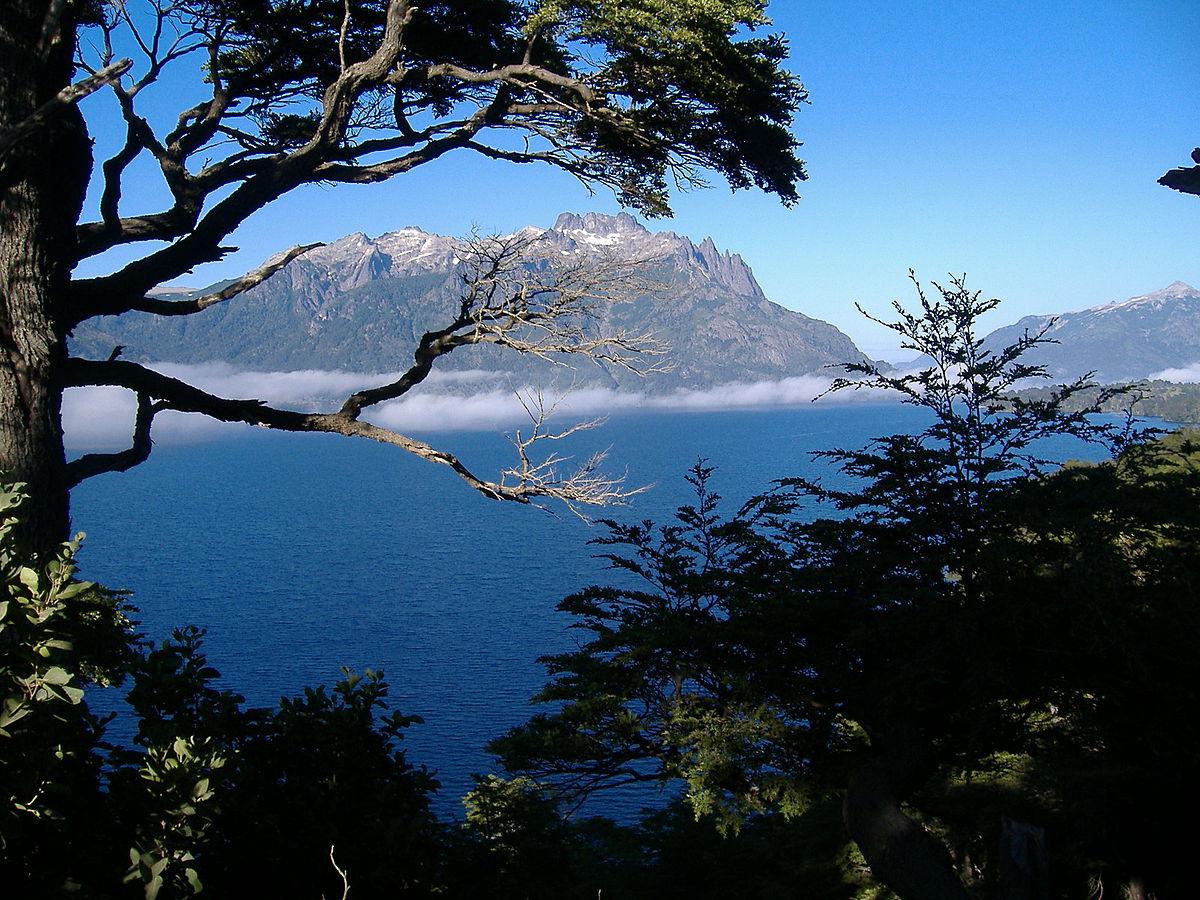
Nestled in the majestic Andes Mountains, Лага Уэчулафкен is a glacial lake that captivates visitors with its serene beauty and dramatic backdrop. Just 25 kilometers from Junín de los Andes, this natural wonder offers a gateway to both the past and the vibrant present of Argentina's Patagonia region.
The history of Лага Уэчулафкен is deeply intertwined with the indigenous Mapuche people, who have called this area home for centuries. The name itself, meaning "big lake" in the Mapudungun language, reflects the profound connection the Mapuche have with the land and water. The lake was formed during the last Ice Age, its pristine waters fed by melting glaciers and mountain streams. Over time, the area became a vital part of the Mapuche's cultural and spiritual life, with the towering Volcán Lanín serving as a sacred landmark.
While the natural beauty of Лага Уэчулафкен is its primary allure, the surrounding region also boasts a rich tapestry of art and architecture. The influence of the Mapuche is evident in the intricate woodwork and textiles found in local villages. Their traditional crafts, such as loom weaving and silver jewelry, are both functional and artistic, reflecting generations of cultural heritage. The architecture of nearby Junín de los Andes combines traditional Patagonian styles with colonial influences, creating a unique aesthetic that complements the natural landscape.
Local culture and traditions are deeply rooted in the rhythms of nature and the seasons. The Mapuche calendar is punctuated by festivals such as Nguillatún, a spiritual celebration that honors the earth and seeks blessings for fertility and prosperity. Visitors to the area may also encounter traditional Mapuche music, characterized by the haunting sounds of the trutruca, a long, wooden horn. Engaging with these traditions offers a glimpse into the enduring legacy of the Mapuche people.
The gastronomy of the region is a reflection of its cultural diversity and natural bounty. Typical dishes include asado de cordero, a succulent lamb roast cooked over an open flame, and curanto, a hearty stew that combines seafood, meat, and vegetables, traditionally cooked in a pit oven. The area’s fertile lands also yield a variety of fresh produce, including berries and mushrooms, which feature prominently in local cuisine. Pair these with a glass of Malbec from nearby vineyards for a truly authentic experience.
One of the lesser-known curiosities of Лага Уэчулафкен is the presence of Andean condors, the world's largest flying birds, which can often be seen soaring above the lake. This region is also home to a diverse array of flora and fauna, including the elusive pudú, the world's smallest deer. For those with a keen eye, the shores of the lake reveal fascinating geological formations, remnants of ancient volcanic activity.
For practical visitor information, the best time to visit Лага Уэчулафкен is between December and March, when the weather is warm and ideal for outdoor exploration. Pack layers, as temperatures can vary significantly from day to night. Bring sturdy hiking boots for the trails and a camera to capture the breathtaking vistas. Whether you're kayaking on the tranquil waters, hiking the rugged terrain, or simply absorbing the tranquility, there's no shortage of wonders to discover. As you explore, respect the local customs and natural environment, ensuring that the beauty of Лага Уэчулафкен remains unspoiled for generations to come.
