
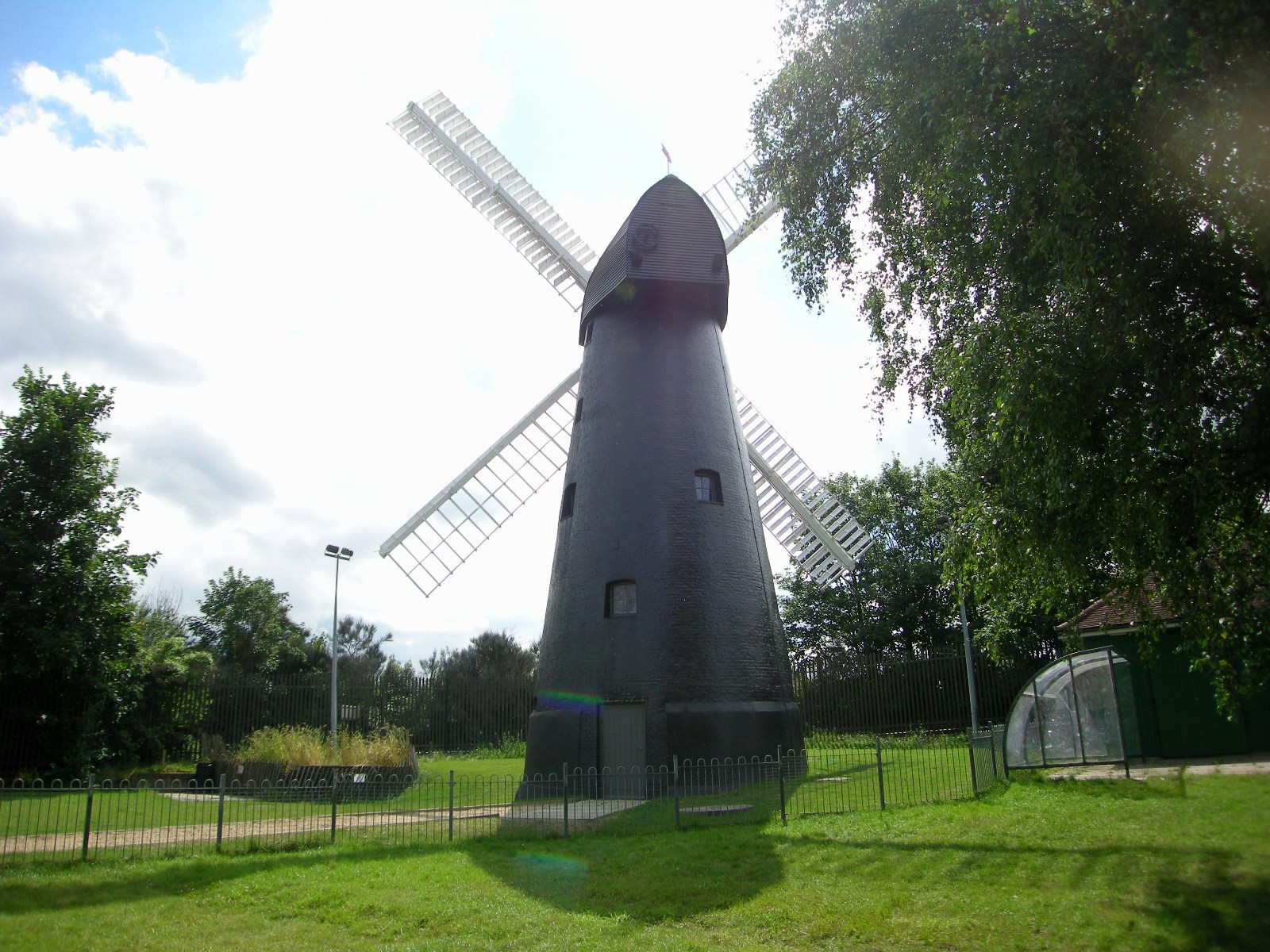

Nestled incongruously amidst the urban sprawl of Brixton, the Ashby Mill, more affectionately known as the Brixton Windmill, stands as a charming relic of London's industrious past. Built in 1816 by the Ashby family, this unexpected structure is a testament to the city’s historical tapestry, contrasting the modernity that surrounds it. Originally, the mill harnessed the power of the wind to produce flour, a vital commodity at the time, until advances in steam technology rendered its traditional methods obsolete by 1862.
The architectural allure of the Brixton Windmill is in its simplicity and functionality, characteristic of early 19th-century milling structures. Its cylindrical brick tower, topped with a cap that once turned to face the wind, is a striking silhouette against the city skyline. The mill's sails, though no longer functional, evoke a sense of nostalgia for a time when rural practices met urban life. Inside, the mill retains much of its original machinery, offering visitors a glimpse into the artisanal craftsmanship of the era. This preservation makes it not only a historical monument but also a piece of living history where the art of milling can be appreciated.
The cultural significance of the Brixton Windmill extends beyond its historical operations. It has become a symbol of community resilience and local heritage. Every May, the Brixton Windmill Festival celebrates the mill’s legacy with music, food, and guided tours, connecting residents and visitors alike with the area’s vibrant past. The festival encapsulates the spirit of Brixton itself—a neighborhood rich in diversity and cultural fusion. Local traditions are honored while new, inclusive customs are formed, fostering a sense of belonging and pride.
Gastronomically, the windmill is intrinsically linked to the staple food it once produced: flour. Though no longer a working mill, it inspires local culinary endeavors. The Brixton Market, not far from the mill, showcases an array of baked goods that nod to this heritage. From traditional English scones to more contemporary artisanal breads, these treats reflect the multicultural influences that define Brixton today. Pair these with a cup of locally roasted coffee from one of Brixton’s bustling cafes, and you have a taste experience rooted in both history and modern-day innovation.
For those keen on uncovering lesser-known curiosities, consider this: the Brixton Windmill is London's last remaining working windmill. During restoration efforts, it was discovered that the original wooden beams of the mill were charred, likely remnants of the Great Fire of London. Such hidden stories add layers to the narrative of this historic structure, enhancing its mystique. Few realize that its survival through two world wars, urban development, and changing industrial landscapes is a story of tenacity and adaptation.
When planning a visit to the Brixton Windmill, timing can enhance the experience. The mill is typically open for tours during the warmer months, from April to October, when the weather best complements the enjoyment of its surrounding gardens and community events. Guided tours, often led by passionate local historians, provide a deeper understanding of its operational history and its role within the community. Be sure to check the official schedule, as the mill hosts various workshops and events that can enrich your visit.
In exploring the Brixton Windmill, one steps into a narrative that intertwines the past and present, where history is not merely observed but felt. Each visit is a reminder of the industrious spirit that once powered not just the mill, but the very growth of London itself. Whether you're a history enthusiast, a lover of architecture, or someone seeking a unique cultural experience, the Brixton Windmill offers a window into a bygone era that continues to resonate in the heart of Brixton.


