



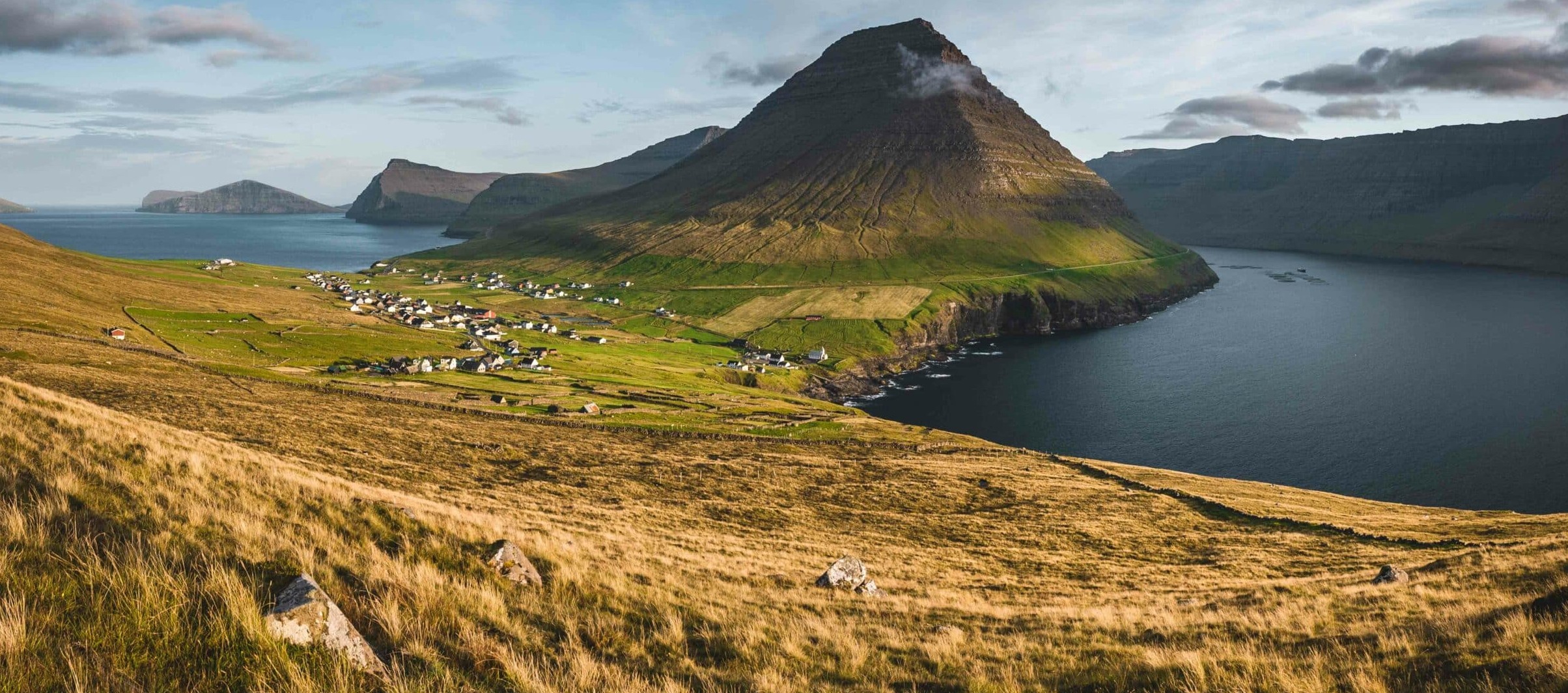
Nestled in the heart of the North Atlantic, Мыс Эніберг is a towering natural marvel on the island of Víðoy, part of the stunning Faroe Islands. Rising to an impressive height of 754 meters, this cape is one of the tallest in the world, offering not just breathtaking views but a journey through history and culture that is as rich as the landscape itself.
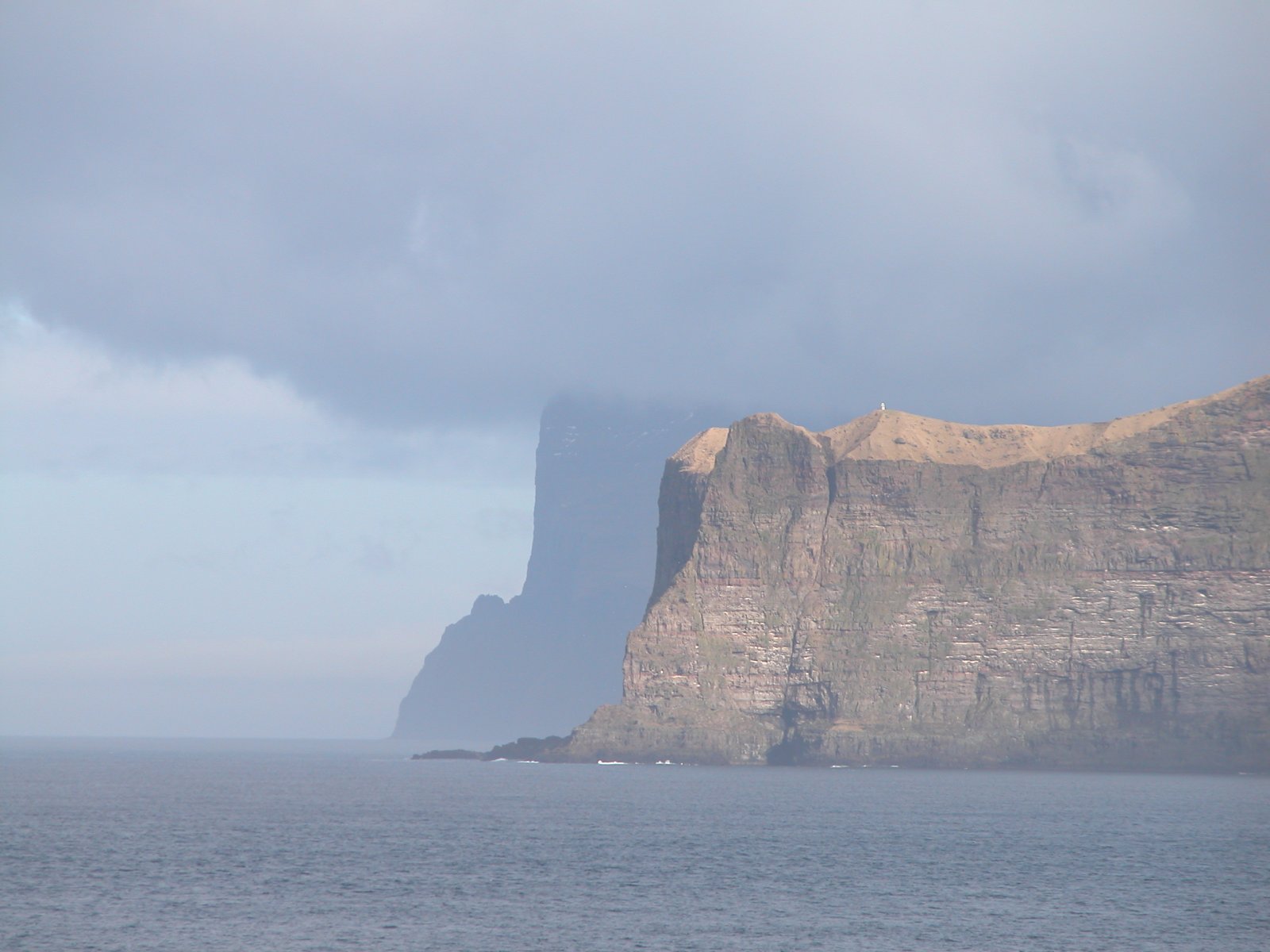
The Faroe Islands have been inhabited since the early Norse settlers arrived in the 9th century. While little specific to Мыс Эніберг is documented, the cape has undoubtedly been a silent witness to the islands' evolving history. The rugged terrain and dramatic cliffs that characterize the area would have served as a formidable natural beacon for seafarers navigating the treacherous waters of the North Atlantic. The Norsemen, skilled navigators and fishermen, likely used these prominent geographical features as reference points long before modern mapping existed.
Art and architecture in the Faroes are deeply influenced by the natural environment, and Мыс Эніберг is no exception. While there are no grand structures atop the cape, the sheer cliffs themselves are nature's own artwork, sculpted by millennia of wind and sea. In nearby villages, such as Viðareiði, traditional Faroese architecture can be observed, with turf-roofed houses blending seamlessly into the landscape, reflecting a harmonious relationship between human habitation and nature.
Culturally, the Faroe Islands are rich with traditions that have been passed down through generations. The locals celebrate their heritage with events like Ólavsøka, the national holiday, though this is held in Tórshavn rather than Víðoy. Traditional Faroese chain dancing and the unique Faroese ballads are integral to these festivities. Visitors to Víðoy might find themselves invited to smaller, community-based gatherings where these cultural practices are very much alive, offering a glimpse into the islands' vibrant social fabric.
The gastronomic offerings of the Faroe Islands are as unique as their landscapes. On Víðoy, visitors can savor local delicacies such as skerpikjøt, a wind-dried mutton that is a staple of Faroese cuisine. The harsh climate and isolation have fostered a culinary tradition that relies heavily on preservation techniques, and fish, notably cod and salmon, are central to the local diet. Pairing these dishes with rhubarb compote or local Faroese beer provides an authentic taste of the islands' flavors.
Among the lesser-known curiosities of Мыс Эніберг is its role as a haven for birdwatchers. The cliffs are home to numerous seabird colonies, including puffins, fulmars, and guillemots. This makes the cape an ideal location for observing these creatures in their natural habitat, an experience that many visitors overlook in favor of more accessible sites. Furthermore, tales of centuries-old shipwrecks off the coast add a layer of mystery and intrigue, though these stories are often shared in whispers among locals rather than recorded in books.
For those planning a visit, the best time to explore Мыс Эніберг is during the summer months, from June to August, when the weather is milder, and daylight extends late into the evening. However, the Faroe Islands' weather is notoriously unpredictable, so visitors should be prepared for sudden changes. Sturdy hiking boots and waterproof clothing are essential for exploring the often wet and windy terrain. A guided tour can enhance the experience, providing insights into the local ecology and history that might otherwise be missed.
In essence, a journey to Мыс Эніберг is not just a trek to a high point on a map, but rather an immersion into the natural beauty, cultural richness, and historical depth of the Faroe Islands. Whether you are an avid hiker, a bird enthusiast, or simply someone in search of solitude, the cape promises an unforgettable encounter with the wild, untamed spirit of this remote archipelago.
