

Nestled in the vibrant heart of East London, Shoreditch stands as a dynamic tapestry of history, art, and culture, inviting visitors into a world where the past seamlessly merges with the contemporary. From its storied beginnings to its current status as a creative hub, Shoreditch offers a unique window into London's evolving narrative.

The origins of Shoreditch are steeped in history, with its name believed to derive from "Sewer Ditch," a nod to its once marshy landscape. In the 16th century, it emerged as a prominent area with the establishment of The Theatre in 1576, the first purpose-built playhouse in England, where none other than William Shakespeare's works were performed. The industrial revolution brought significant changes, transforming it into a bustling center of industry. By the late 20th century, a wave of gentrification and the influx of creative industries brought Shoreditch into a new era.
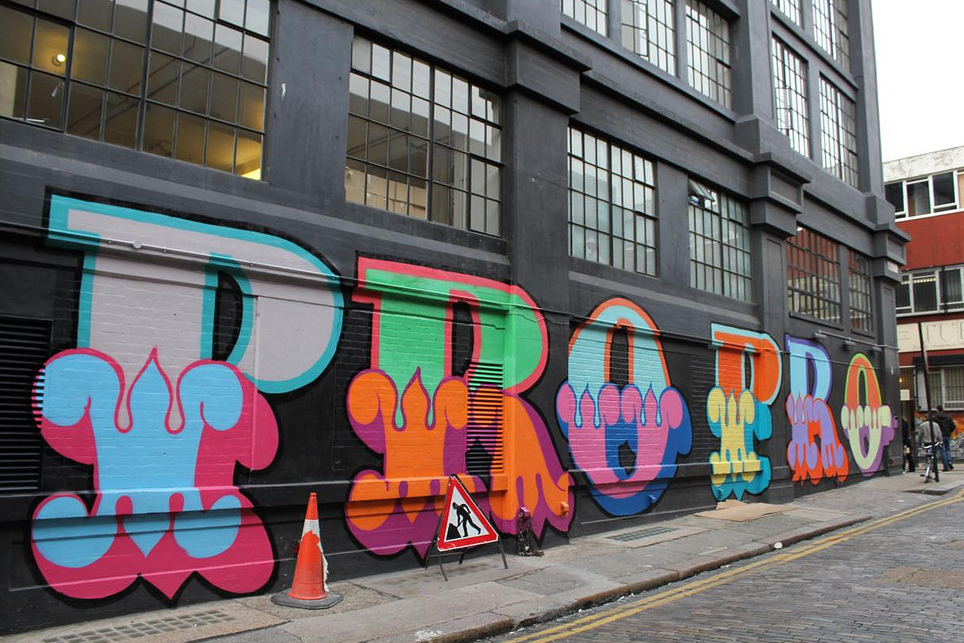
Today, Shoreditch is celebrated for its stunning street art, with murals and graffiti by world-renowned artists adorning its walls. Banksy and Stik are just two of the many artists whose works contribute to the area's reputation as an open-air gallery. The architectural landscape is a juxtaposition of old and new, where Victorian buildings house modern startups and loft apartments. The Tea Building, a former warehouse, is now a beacon of creative enterprises and stylish eateries, exemplifying the area's adaptive reuse of historical structures.

Culturally, Shoreditch is a melting pot. The blend of traditional East End customs with the influx of new ideas has birthed a unique community spirit. The annual Shoreditch Festival celebrates this diversity through music, dance, and art, drawing crowds from all over London to engage in the local ethos. The vibrancy of the area is palpable, with its streets alive with the chatter of markets, vintage shops, and boutique stores.
When it comes to gastronomy, Shoreditch is a feast for the senses. The area is home to an eclectic mix of food offerings, from traditional British pubs to avant-garde dining experiences. Brick Lane is a haven for food lovers, renowned for its authentic Bangladeshi curries. Meanwhile, the Boxpark Shoreditch, a pop-up mall made from shipping containers, offers a plethora of street food options, from gourmet burgers to artisanal donuts.
For those seeking lesser-known curiosities, Shoreditch does not disappoint. Tucked away on a quiet street, the Dennis Severs' House offers an immersive glimpse into the lives of a fictional Huguenot family in the 18th century, an experience that is both surreal and enlightening. Additionally, the Geffrye Museum, located in a series of former almshouses, explores the history of the English home, providing a unique perspective on domestic life over the centuries.
Practical tips for visiting Shoreditch include timing your visit to coincide with the vibrant Sunday markets, when the area truly comes alive with local vendors and street performers. Walking is the best way to explore, allowing you to discover hidden corners and unexpected art installations. Keep an eye out for pop-up events and exhibitions, which frequently offer a glimpse into the avant-garde culture that defines the neighborhood.
In essence, Shoreditch is a microcosm of London's transformation, a place where history is respected but not confined, and where creativity and innovation thrive. Whether you're drawn by its historical roots, artistic flair, or cultural diversity, Shoreditch promises an experience that is both enriching and unforgettable.


