
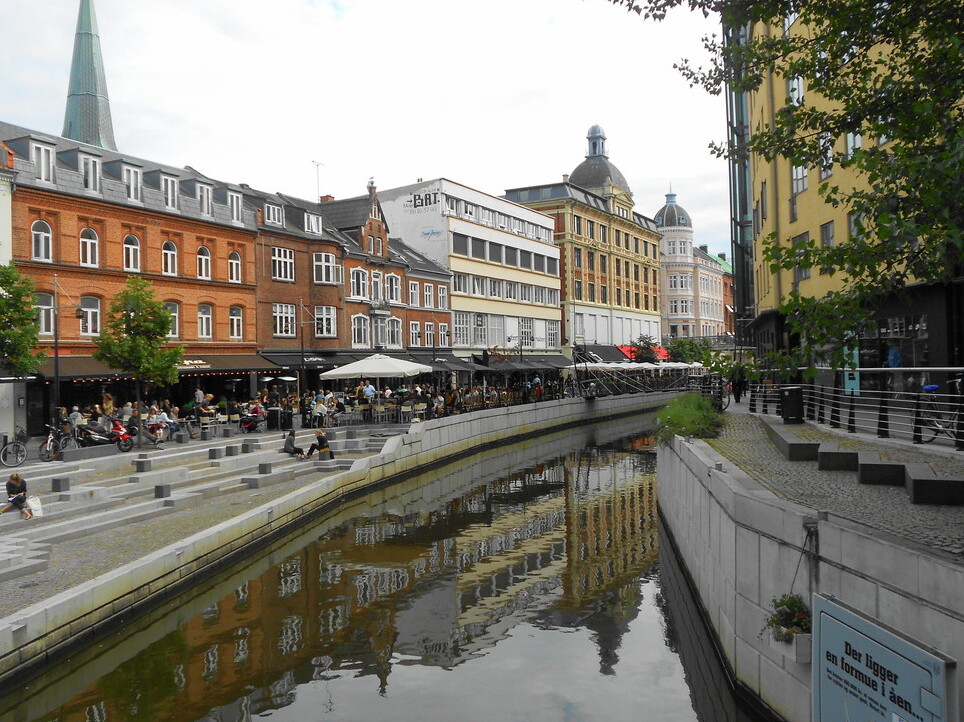

Nestled on the picturesque Jutland peninsula, Aarhus is a vibrant tapestry woven from history, culture, and contemporary innovation. As Denmark's second-largest city, it effortlessly blends the charm of its medieval streets with the excitement of modern architecture, making it a must-visit destination for travelers seeking both history and modernity.
History and Origins
Founded in the early 8th century as a small trading post, Aarhus has a rich historical legacy that reflects its strategic location along the coast. The city was first mentioned in written records in 1042, when it was known as "Aros," derived from Old Norse, meaning "river mouth." Throughout the Middle Ages, Aarhus flourished as a key trading hub, particularly in the 13th century, when it received its city rights.
Significant events shaped the city’s trajectory, including the Reformation in the 16th century, which saw a shift from Catholicism to Protestantism, deeply influencing local customs and architecture. By the 19th century, Aarhus was at the heart of the Danish industrial revolution, leading to rapid growth and urbanization. This history is palpable as you wander through the city, from the remnants of medieval buildings in the Latin Quarter to the modern developments along the revitalized harbor.
Art and Architecture
Aarhus is a canvas for artistic expression, showcasing a blend of historic and contemporary architecture. One cannot visit without being captivated by the ARoS Aarhus Art Museum, renowned for its striking rainbow panorama—an immersive walkway that offers stunning views of the city through a spectrum of colors. Inside, the museum houses an impressive collection of Danish and international art, including works by the likes of Richard Serra and Marcel Duchamp.
The city's architecture is equally compelling. The DOKK1, a cultural center and library, is a fine example of modern design, featuring a striking facade and innovative public spaces. The former industrial site of Godsbanen has been transformed into a cultural hub, hosting exhibitions, performances, and markets that highlight local talent. As you stroll through Aarhus, the contrast between the ancient buildings and cutting-edge structures creates a unique urban landscape that tells the story of a city in constant evolution.
Local Culture and Traditions
Aarhus is steeped in local customs that reflect its rich heritage. One of the city’s highlights is the Aarhus Festival, held annually in September, which celebrates arts and culture with a range of performances, exhibitions, and culinary experiences. The festival, which has roots dating back to 1965, showcases both local and international artists, transforming the city into a vibrant stage.
Another cherished tradition is the celebration of Midsummer in June, where locals gather to light bonfires on the beaches, sing songs, and enjoy the long summer nights. This sense of community is palpable in Aarhus, where students make up over 10% of the population, infusing the city with youthful energy and creativity.
Gastronomy
Aarhus boasts a burgeoning culinary scene that mirrors its cultural diversity. Traditional Danish cuisine is celebrated here, with dishes such as smørrebrød—open-faced sandwiches topped with a variety of ingredients from pickled herring to roast beef. For a taste of local flavor, try Aarhus' famous pastries, particularly the buttery kanelsnegle (cinnamon rolls) paired with a cup of locally brewed coffee.
The city's commitment to sustainability is reflected in its growing number of farm-to-table restaurants, where you can savor seasonal produce from nearby farms. Notable eateries like Restaurant Domestic and Hærværk focus on local ingredients and innovative techniques, making dining in Aarhus a delightful experience for food enthusiasts.
Lesser-Known Curiosities
While Aarhus is known for its major attractions, there are hidden gems waiting to be discovered. One such place is the Aarhus Cathedral, which, at 93 meters, is the tallest in Denmark. Visitors often overlook its stunning Renaissance-style interior adorned with beautiful frescoes.
Another intriguing aspect of the city is its connection to the famous Danish author Hans Christian Andersen. While not originally from Aarhus, he spent time here during his travels, and his influence can be felt in the city's appreciation for storytelling and the arts.
A lesser-known fact is that Aarhus is home to the Viking Museum, which delves into the city's ancient past, showcasing artifacts and interactive exhibits that bring the Viking Age to life.
Practical Visitor Information
The best time to visit Aarhus is during the spring and summer months (April to September) when the weather is mild and outdoor activities abound. Biking is an excellent way to explore the city, with dedicated cycling paths leading to beautiful parks and the scenic coastline.
When planning your visit, be sure to check for local events and festivals that may coincide with your travel dates. Many attractions, including the ARoS, offer discounts on certain days or during specific events, making it easier to experience the city’s vibrant culture.
Aarhus is a city that invites exploration, with its compact size making it easy to navigate. Whether you’re wandering through the historic streets of the Latin Quarter or enjoying a quiet moment in one of the many parks, each corner reveals something new and delightful.
To truly make the most of your time in Aarhus, consider using the Secret World app to craft a personalized AI itinerary that will guide you through this captivating city.


