
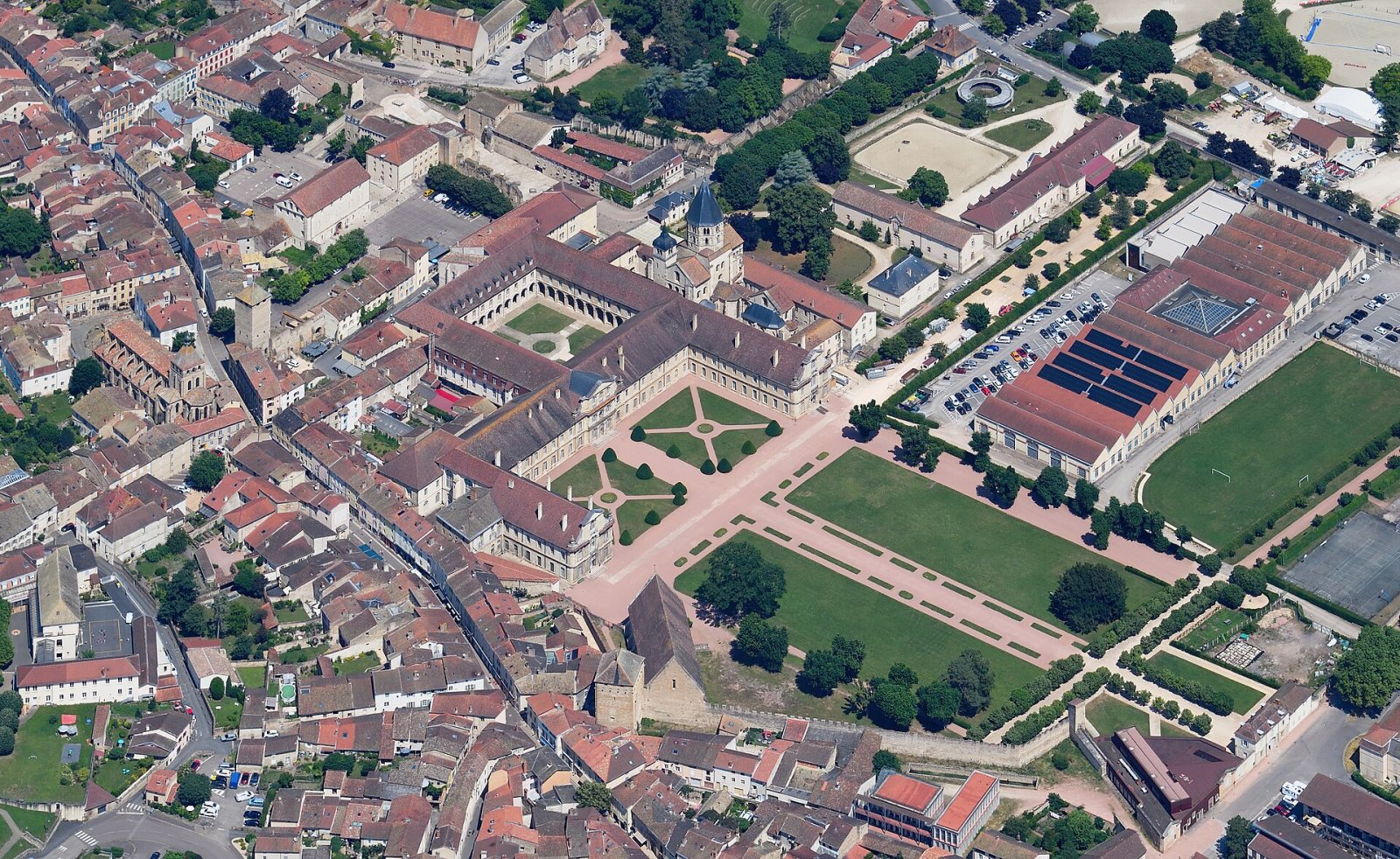

Nestled in the heart of Bourgogne-Franche-Comté, Cluny is a medieval town that captivates visitors with its cultural and architectural heritage. Its main attraction is the Abbaye de Cluny, once one of the largest and most influential monasteries in the Christian world. Founded in the 10th century, this abbey was a center for the spread of monastic reform and had a significant impact on European history, making Cluny a pilgrimage site for those seeking spirituality and beauty.
The town is characterized by cobblestone streets, Romanesque houses, and an atmosphere that conveys a sense of peace and contemplation. In addition to the abbey, Cluny also offers the 15th-century Museum of Art and Archaeology, which houses a rich collection of historical and artistic artifacts, allowing visitors to immerse themselves in local and regional history.
Historical and Cultural Context
The Abbaye de Cluny was founded in 910 and, over the centuries, became a benchmark for Benedictine monasticism. Its influence extended far beyond the borders of France, giving rise to a network of Cluniac abbeys that helped shape the religious and cultural life of medieval Europe. Cluny hosted numerous councils and attracted prominent figures, making it a center of spiritual and intellectual power.
Over time, the abbey has undergone many transformations and destructions, especially during the French Revolution, but its spirit remains alive. Today, its architectural grandeur and the beauty of its remains are testimonies to an era when faith and culture were inextricably intertwined. The town itself reflects this heritage, with its artisanal and gastronomic traditions continuing to thrive.
What Stands Out About the Place
One of the most fascinating features of Cluny is its abbey, which, despite the losses it has suffered, still retains traces of its greatness. The imposing ruins, with their columns and Romanesque arches, tell stories of a glorious past and invite visitors to reflect on the spirituality and art of that period. Additionally, the Tour des Fromages offers breathtaking panoramic views of the town and its surroundings, allowing appreciation of the beauty of the Bourgogne landscape.
The town is also a place where culture thrives through local events and festivals. The streets of Cluny are alive with markets, festivals, and concerts celebrating local music, art, and gastronomy. The combination of history, art, and cultural vibrancy makes Cluny a unique place to explore.
Visiting Experience
Visiting Cluny means immersing oneself in an atmosphere of tranquility and reflection. History lovers will find a reason to marvel at every corner of the town, from the remains of the abbey to the charming medieval streets. A visit to the abbey is a heart-touching experience, with the opportunity to participate in guided tours that provide insights into architecture and monastic life.
Moreover, the Museum of Art and Archaeology represents an unmissable opportunity for those wishing to discover the cultural richness of the region. Here, visitors can admire artworks and artifacts that tell the story of Cluny and Bourgogne. After a day of exploration, it is possible to savor local dishes in one of the town's restaurants, where culinary tradition blends with French hospitality.
Practical Information for Visitors
Cluny is easily accessible by car or public transport, making it an ideal destination for a day trip or weekend. The town offers various accommodation options, from cozy guesthouses to more refined hotels, suitable for every type of traveler. It is advisable to plan the visit to the abbey in advance, especially during peak seasons, to avoid long waits.
Finally, for those wishing to explore the region further, Cluny is strategically located to visit other historic towns and attractions in Bourgogne. Don't forget to download the Secret World app to discover more hidden gems and useful tips for your trip.


