
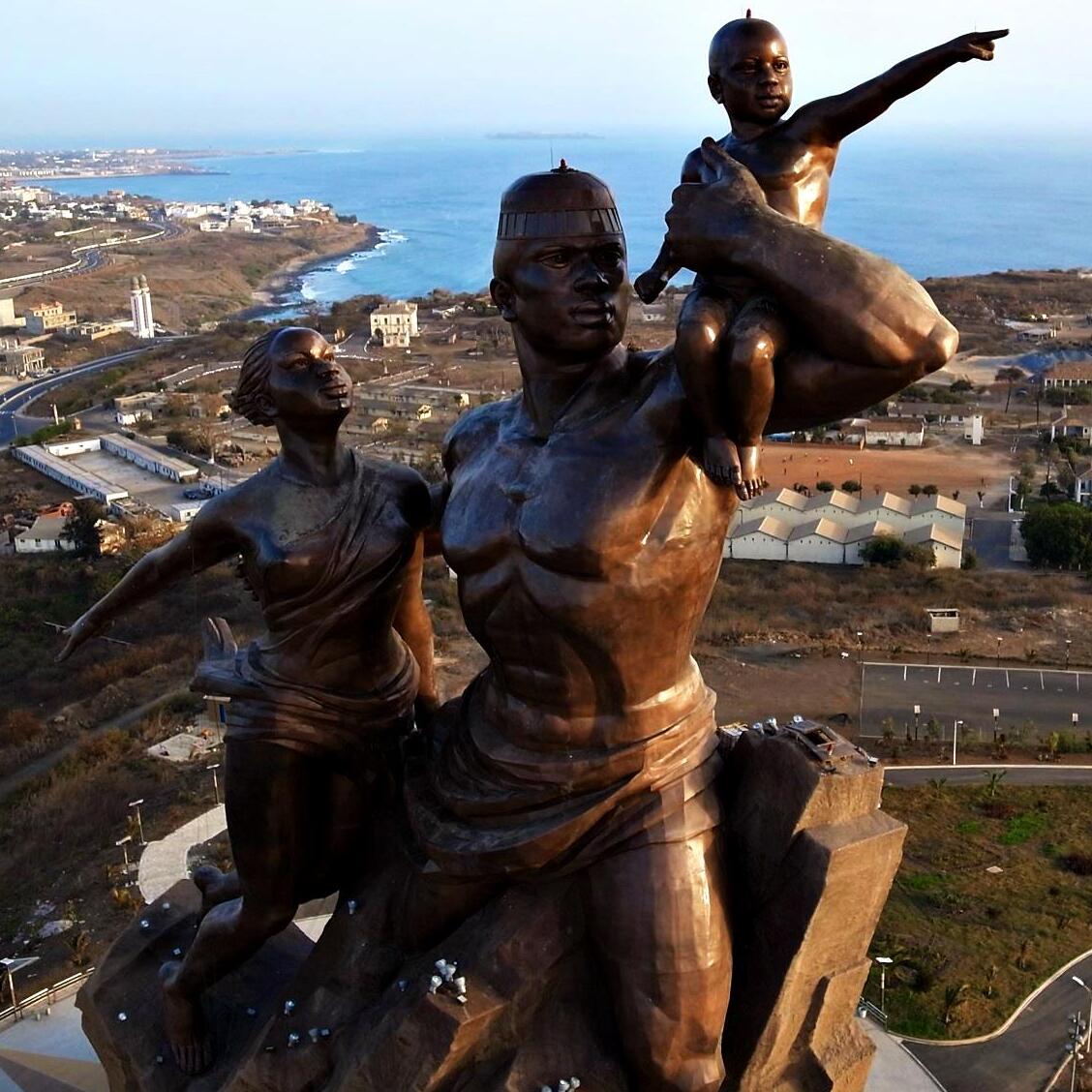

Standing proudly against the skyline of Dakar, the African Renaissance Monument is a colossal symbol of hope, ambition, and pride for many Senegalese. At a staggering height of 49 meters (160 feet), it surpasses the Statue of Liberty, claiming the title of the tallest statue in Africa. The monument is not merely an architectural marvel; it encapsulates the spirit of a continent striving for rebirth and progress.
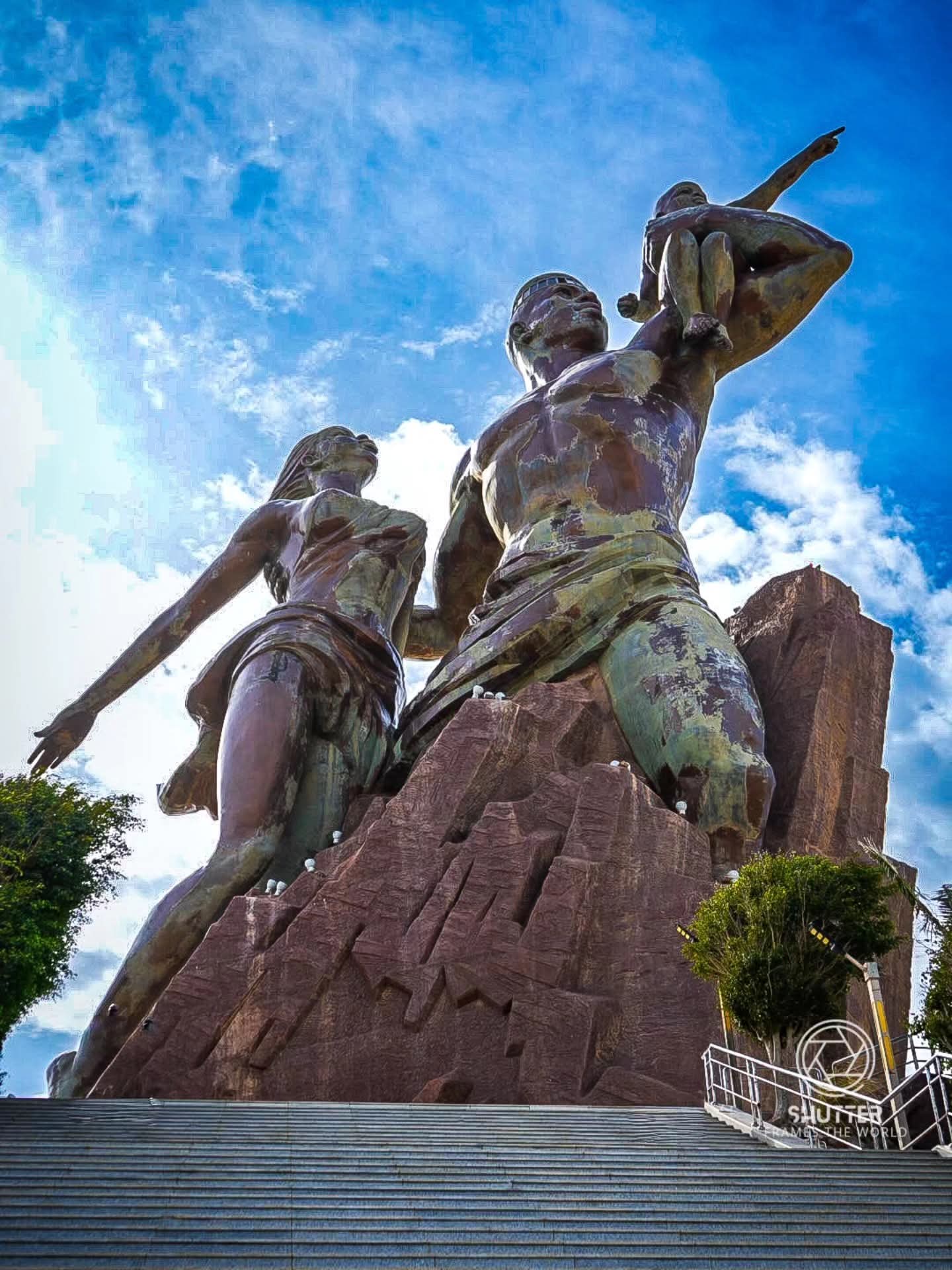
The origins of the African Renaissance Monument are deeply intertwined with the vision of former Senegalese president Abdoulaye Wade. Launched in 2006, this ambitious project was part of a broader initiative to herald a new era of African identity and independence, aptly named the "African Renaissance." The monument is designed to showcase a family reaching towards the sky— a man holding his child aloft on his bicep while embracing his wife—a powerful representation of an Africa emerging from its historical struggles, striving towards enlightenment.
Architect Pierre Goudiaby Atepa was entrusted with the design of this monumental structure, which is perched atop the Collines des Mamelles hills just outside the city. The monument's artistic significance lies in its representation of unity and resilience, with the figures symbolizing hope for future generations. Although initially envisioned by renowned Senegalese artist Ousmane Sow, he withdrew from the project due to disagreements with Wade. The controversy surrounding its creation has not overshadowed its impact; instead, it has become a focal point for discussions about African heritage and identity.
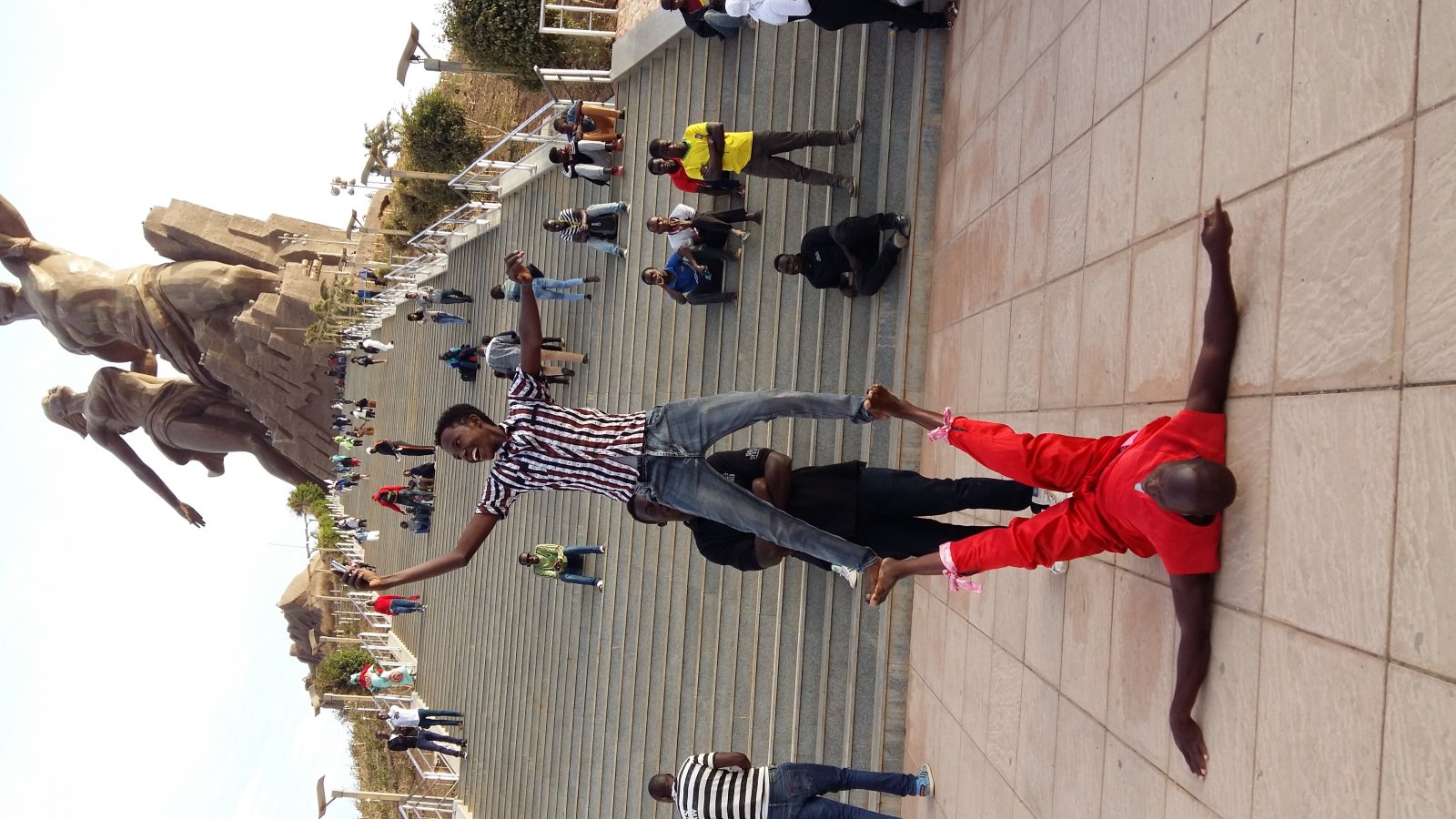
Visiting the African Renaissance Monument is as exhilarating as it is enriching. The ascent to the top offers breathtaking views of Dakar and the Atlantic Ocean, revealing the city’s vibrant layout and the sprawling coastline. The experience is enhanced by learning about the monument’s history and significance from knowledgeable local guides who passionately share the narratives behind each sculpted detail.
Beyond the monument itself, Dakar thrives with a rich tapestry of local culture and traditions. The city hosts a variety of festivals, reflecting its artistic flair and communal spirit. One of the most notable is the Dakar Biennale, a contemporary art exhibition held every two years that draws artists from across the globe. This event celebrates African creativity and innovation, showcasing works that challenge perceptions and highlight the continent's cultural wealth.
The culinary scene in Dakar is equally compelling, offering visitors a taste of Senegal’s rich gastronomic heritage. Local dishes such as Thieboudienne—a flavorful mixture of fish, rice, and vegetables—are staples that reflect the coastal influences on Senegalese cuisine. Another must-try is Yassa, marinated chicken or fish cooked with onions and lemon, served alongside rice. For those with a sweet tooth, Bissap, a refreshing hibiscus flower drink, and Chin Chin, crunchy fried dough snacks, provide delightful interludes to any meal.
While many visitors are captivated by the monument's grandeur, some lesser-known curiosities add depth to the experience. For instance, the monument was met with mixed reactions upon its unveiling, with critics questioning the cost and the need for such an extravagant structure in a developing nation. Moreover, the monument's construction has been a catalyst for discussions surrounding historical narratives in Africa, challenging the often Eurocentric perspectives of African history.
For travelers looking to visit the African Renaissance Monument, timing can enhance the experience. The best time to explore Dakar is during the dry season, from November to April, when the weather is pleasant and conducive for outdoor activities. Early mornings or late afternoons provide the most stunning views, bathed in the soft glow of the sun as it rises or sets over the Atlantic.
Practical tips include wearing comfortable shoes for the climb and bringing a camera to capture the panoramic views from the top. Additionally, engaging with local guides can enrich your understanding of the monument’s cultural significance and history.
As you plan your adventure to the African Renaissance Monument, consider immersing yourself in the vibrant culture of Dakar through its art, food, and traditions. The blend of history and modernity creates an unforgettable experience that resonates with the aspirations of a continent reborn.
To truly personalize your visit to this remarkable city, consider using the Secret World app to craft your ideal itinerary.


