
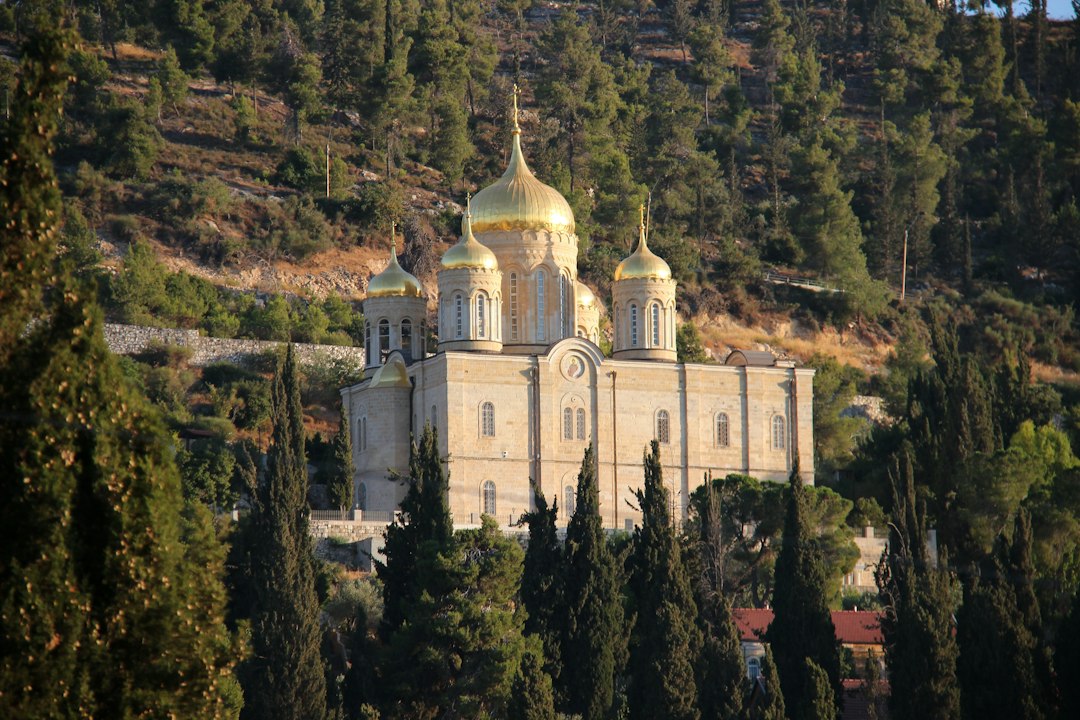

The smell of beeswax and pine resin greets you as soon as you pass through the stone portal of the Monastery of the Holy Trinity of Tzagarolon, better known as Moni Agia Triada. We are on the Akrotiri peninsula, just a few kilometers from Chania, in northern Crete, and the silence that reigns here contrasts sharply with the traffic of the city you have left behind. This is not a museum site: it is a living place, inhabited by monks who pray, work the land, and produce wine and olive oil using methods that have been passed down for centuries.
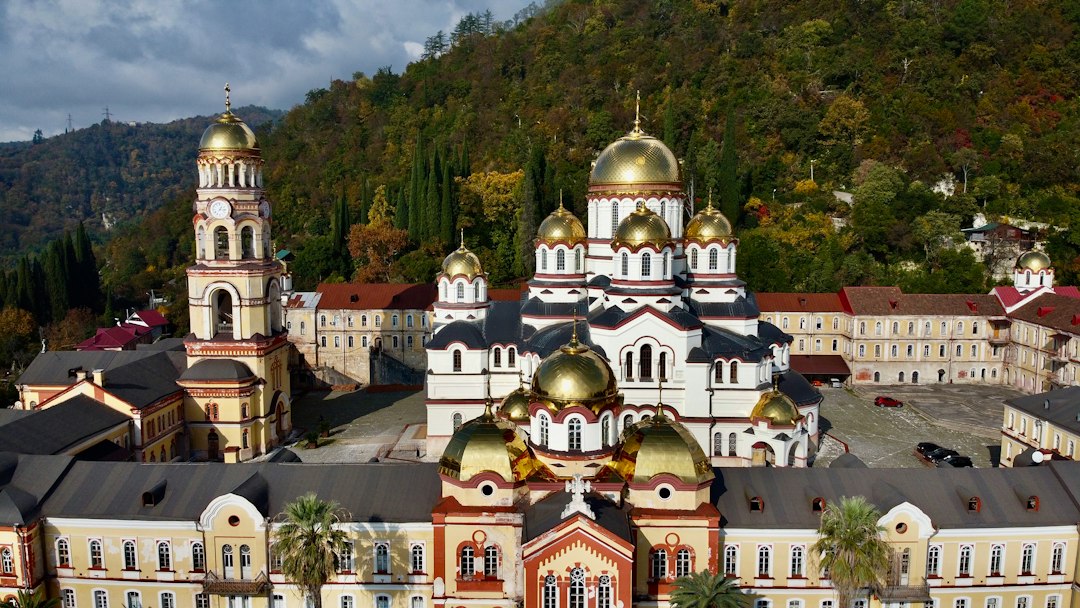
The monastery was founded in 1634 by the Venetian brothers Jeremiah and Laurentius Tzagarolon, and the date engraved above the main entrance is one of the most immediate details that an attentive visitor can grasp within the first few minutes. The central church, dedicated to the Holy Trinity, is a well-preserved example of Venetian-era religious architecture, with a facade of light limestone that absorbs the morning light in an almost golden way. The structure is organized around an inner courtyard accessible to the public, where time seems to flow at a different speed.
A monastery still in operation
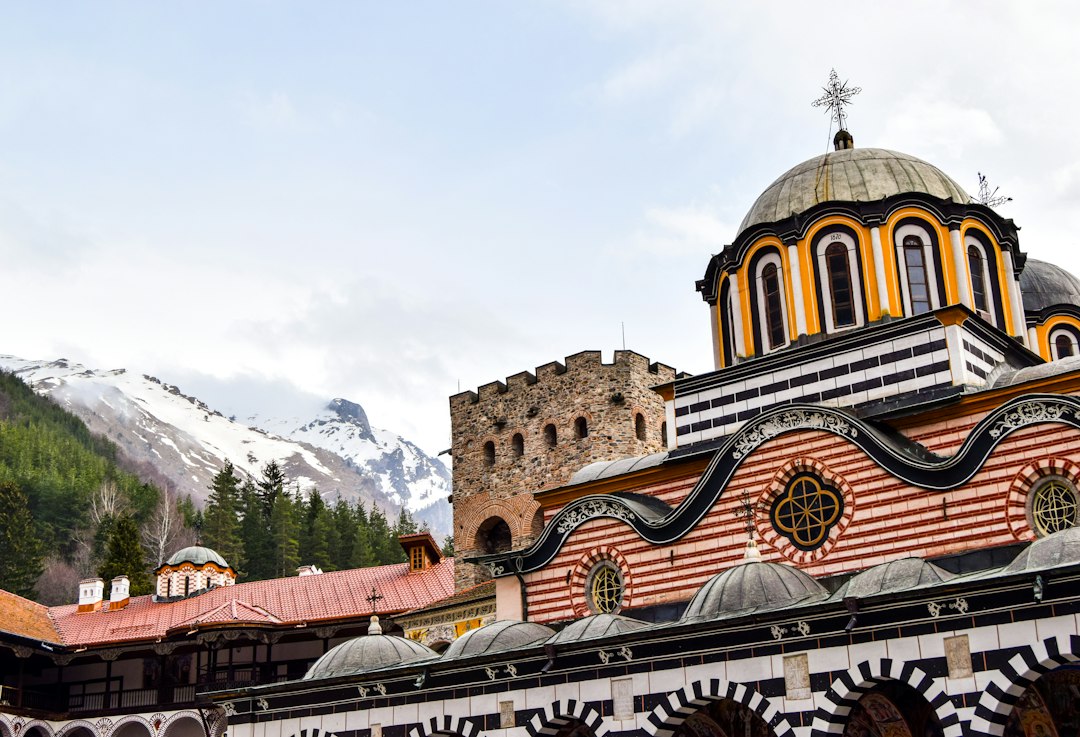
What distinguishes Agia Triada from most religious sites turned into tourist attractions is the fact that the monastic community is still fully operational. The monks follow the Orthodox liturgical schedule, celebrate services in the church, and independently manage their agricultural activities. Walking along the corridors of the cloister, it is common to encounter a monk carrying crates of bottles or checking the freshly harvested olives: it is not a staged event, it is the daily life of the place.
The monastery produces red and white wine from grapes grown in the vineyards surrounding the building, as well as extra virgin olive oil made from the estate's olive trees. Both products are sold in a small shop within the complex, and purchasing them is one of the most direct ways to take home something authentic. The bottles of monastic wine have simple labels, with the cross and the name of the monastery in Greek, and the price is generally modest compared to commercial products in the region.
What to Observe Up Close
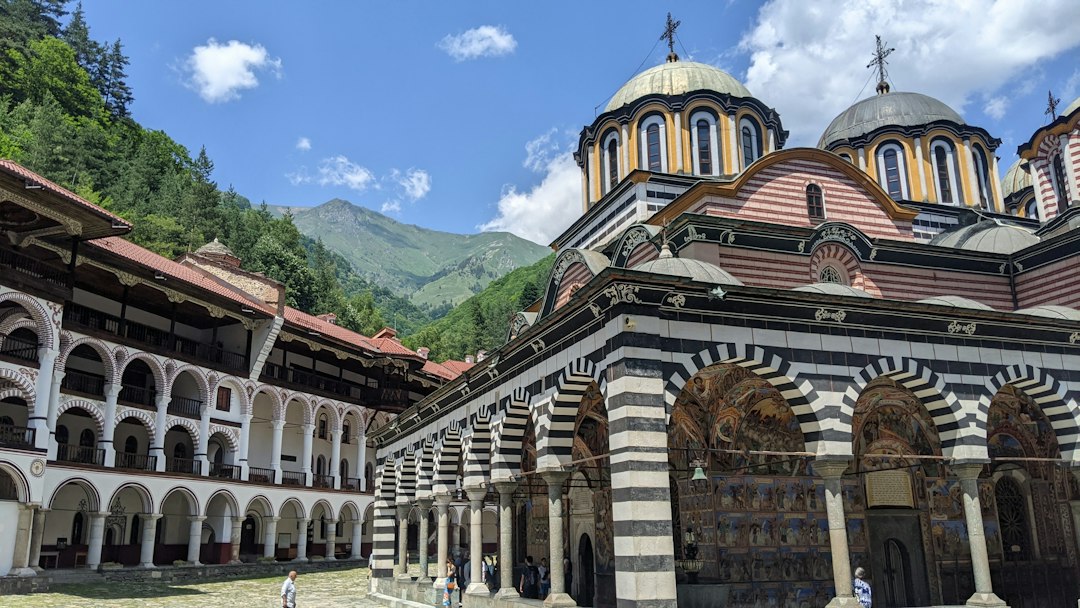
The main church deserves a careful visit. Inside, the iconostasis — the wall of icons that separates the nave from the presbytery — is richly decorated and houses icons of remarkable craftsmanship, some dating back to the 17th and 18th centuries. Light filters through small side windows and creates a collected atmosphere that invites pause. On the stone floor, the tomb slabs of some benefactors of the monastery are visible, a detail that many visitors overlook without noticing.
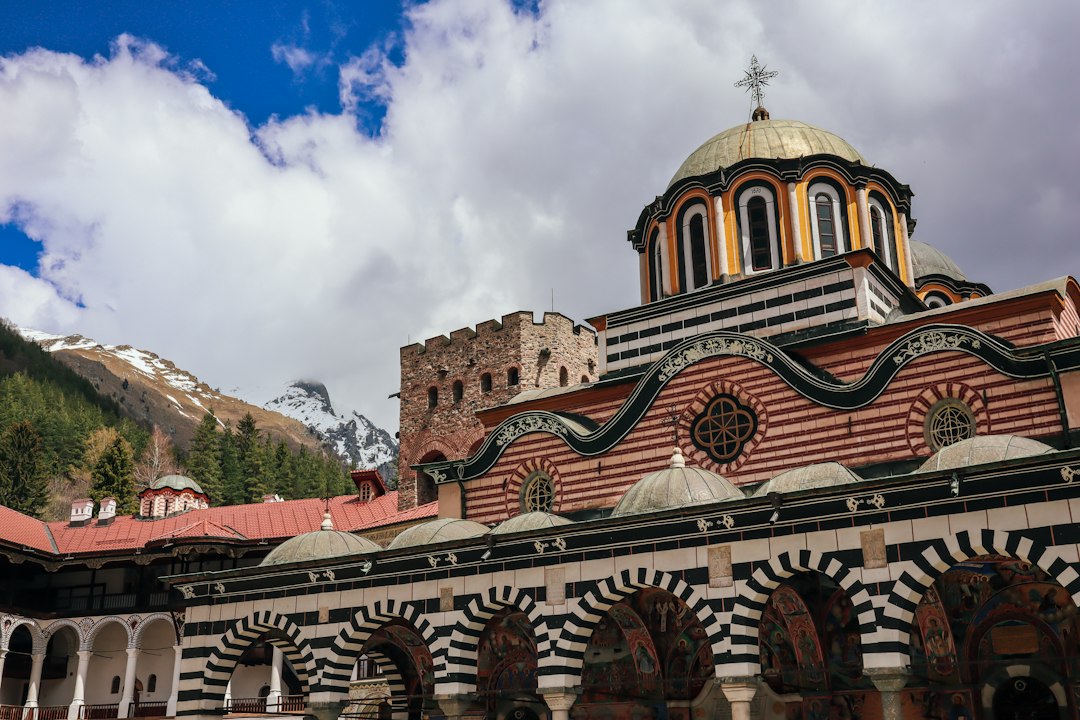
In the outer courtyard, some of the auxiliary buildings — warehouses, oil press, cellars — can be visited freely and provide a concrete idea of how a self-sufficient monastic economy functions. The rough stone walls, wooden vats, and old agricultural tools on display create a visual context that no written guide can fully convey. It is worth dedicating at least an hour and a half to the entire visit to avoid feeling rushed.
How to get there and when to visit
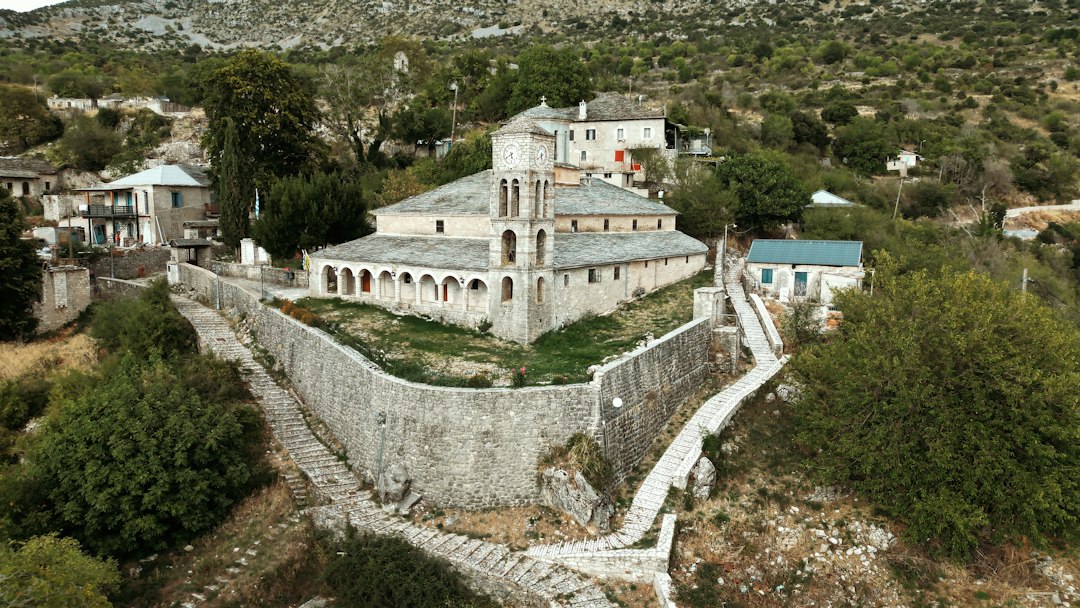
The monastery is located about 15 kilometers from the center of Chania, on the Akrotiri peninsula, reachable by car in less than twenty minutes via the road that also leads to the international airport. There is no direct connection with urban public transport, so renting a car or taking a taxi remain the most practical options. The final access road is paved but narrow: be careful of tourist buses that travel the same route.
The visiting hours are generally from the early morning until late afternoon, with a break in the early afternoon during which the monastery may be closed to visitors to respect the community's rest. The best time to arrive is early in the morning, when the light is favorable, organized groups are not yet present, and the atmosphere is more intimate. Admission is free, but appropriate clothing is required: shoulders covered and pants or skirt below the knee — aprons are provided at the entrance for those who are not dressed appropriately.
Why it's worth the trip
Agia Triada is not a stop to be included in a list of things to do in Crete only to be forgotten. It is a place that operates at its own pace, where the presence of the monks is not decorative but real, and where Venetian architecture has organically fused over the centuries with Greek Orthodox tradition. The Akrotiri peninsula also hosts other monasteries — including the more ancient and austere Gouverneto — and a half-day dedicated to exploring this part of the island offers a perspective on religious and rural Crete that crowded beaches cannot provide.
Bringing water and something to read is a good idea: the shaded courtyard of the monastery is one of those rare places where sitting on a stone bench and doing nothing for twenty minutes seems, for once, like the right choice.


