
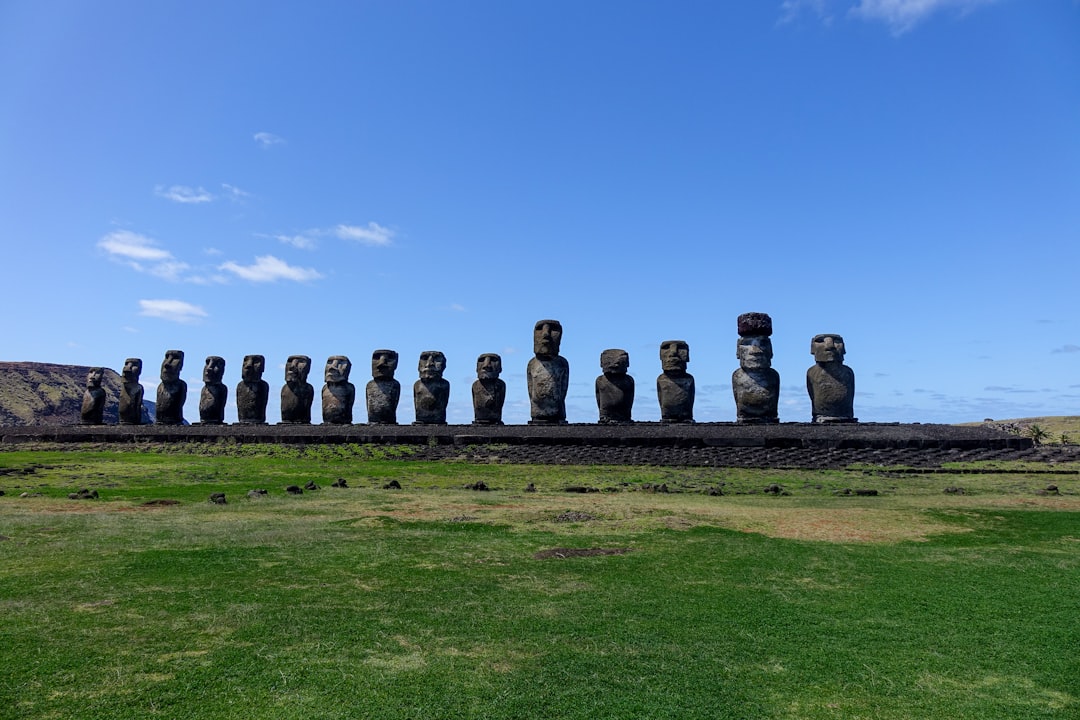

Located on Easter Island, Ahu Taharoa is one of the most fascinating and significant archaeological sites of the Rapa Nui culture. This place, rich in history and spirituality, is situated at coordinates -27.0930456, -109.2815793, and represents an important testament to the ancestral traditions of a people who have managed to adapt and thrive in an isolated and remote environment. Ahu Taharoa, like many other ahu on the island, is a ceremonial altar that hosts the monolithic statues, known as moai, which are symbols of identity and prestige for the Rapa Nui.
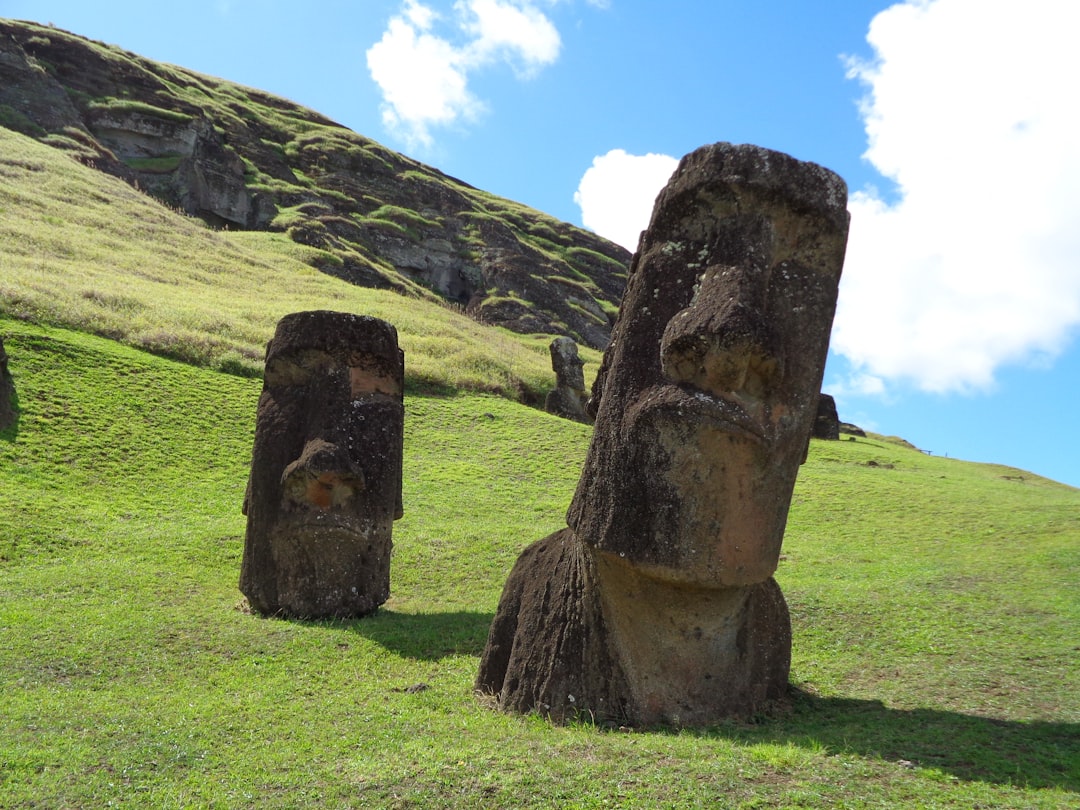
Visiting Ahu Taharoa is not just a journey into history, but also an opportunity to immerse oneself in the culture of a people who have left an indelible mark on the history of humanity. The mystical atmosphere and breathtaking landscape make this place a must-see for those wishing to understand the cultural roots of Chile and the wonders of Easter Island.
History and Origins
Ahu Taharoa, like many ahu on Easter Island, dates back to a time when Rapa Nui culture was at its peak. The ahu were built as ceremonial platforms, used to honor ancestors and perform religious rituals. Each ahu was dedicated to an important chieftain or a notable historical figure, and the moai statues found there represent their faces, symbolizing the connection between the world of men and that of spirits. The construction of these monuments required significant collective effort and sophisticated social organization, testifying to the importance of the Rapa Nui community.
Despite the environmental and social challenges faced over the centuries, Ahu Taharoa and the other ahu on the island have survived as symbols of resilience and cultural identity. The history of Ahu Taharoa is intrinsically linked to that of Easter Island, which has witnessed the evolution of a unique and fascinating culture capable of facing difficulties and keeping its traditions alive.


