


London has over 170 museums, more than 3,000 restaurants in the historic center alone, and a subway network with 272 stations. Every year it attracts about 20 million international tourists, each with different expectations: some want to see the Tower of London and Buckingham Palace, some prefer to get lost among the murals of Shoreditch, and some seek the markets of Borough Market at 8 in the morning. Organizing all this manually, among different apps, contradictory blogs, and outdated reviews, takes hours. This is where the AI trip planner comes into play in 2026.

Artificial intelligence applied to travel is no longer a future promise: it is a concrete tool that analyzes millions of data in real time, understands your personal preferences, and builds coherent itineraries, taking into account real distances, opening hours, and even traffic during peak hours. In London, where traveling from Westminster to Camden by subway takes about 25 minutes but walking through Hyde Park takes 50, every logistical detail counts.
How AI Transforms Trip Planning to London
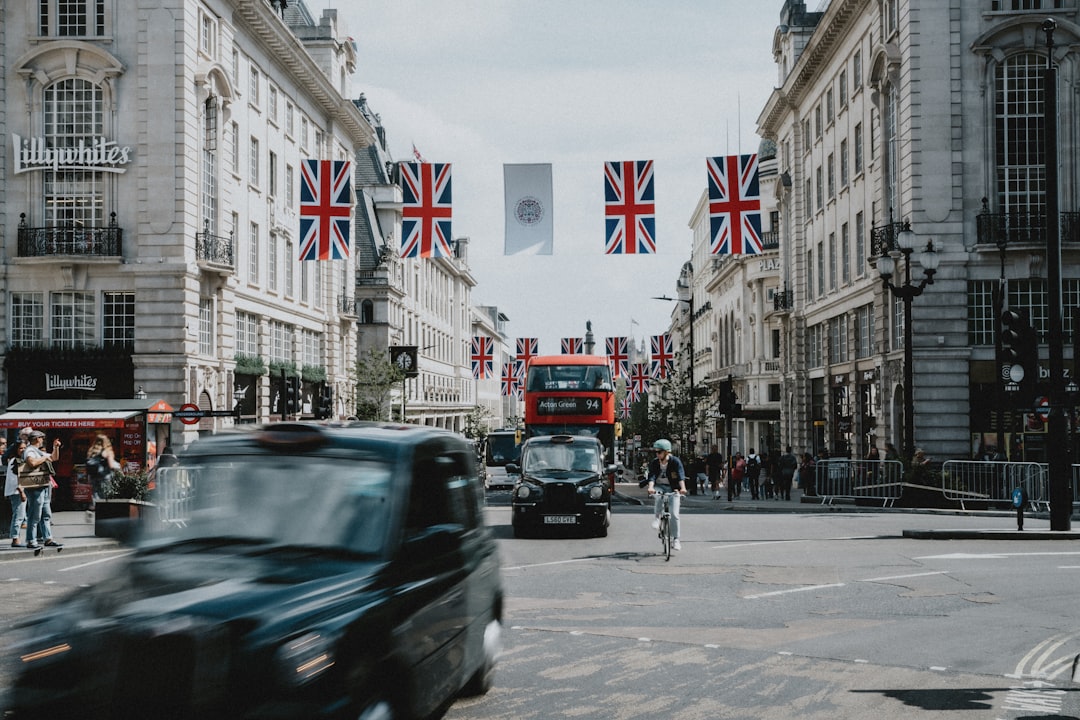
Until recently, planning a London itinerary meant opening ten browser tabs, comparing the hours of the British Museum (open daily from 10:00 AM to 5:00 PM, free entry), calculating how much time to dedicate to the National Gallery versus the Tate Modern, and deciding whether it was worth paying £29.90 for entry to the Tower of London. A fragmented, often frustrating process. The AI trip planner of 2026 centralizes all of this: it receives your preferences, the duration of your stay, and your budget, and returns an optimized day-by-day plan.
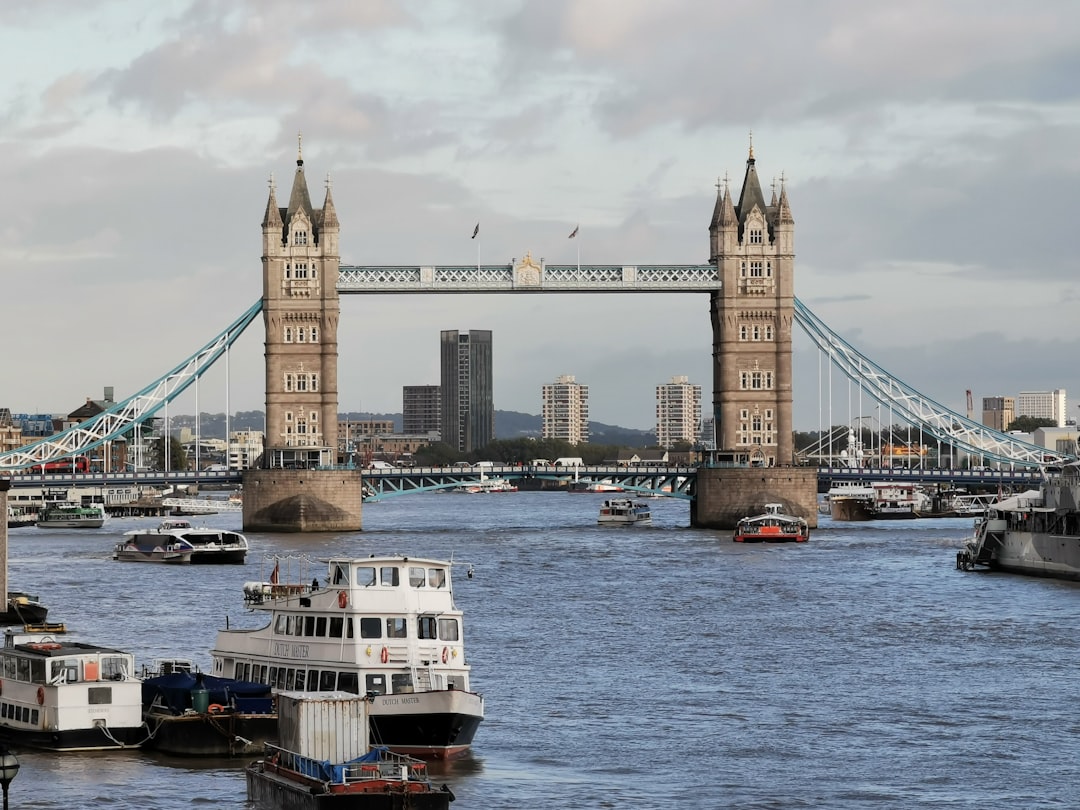
The most significant change concerns deep personalization. An AI system does not simply suggest “visit the Tower Bridge”, but understands whether you prefer Victorian architecture or contemporary art, whether you have children with you or are traveling alone, whether you want to walk a lot or prefer public transport. In London, this makes a huge difference: a family itinerary might include the Natural History Museum in South Kensington (free, perfect for children), while one for street art enthusiasts would focus on Brick Lane and Leake Street Arches.
Secret World: the AI trip planner with over 1 million destinations
Secret World is one of the most comprehensive AI tools for travelers available in 2026. Its distinctive feature is the coverage: over 1 million destinations worldwide, with updated data on attractions, restaurants, transportation, and local points of interest. For London, this means having access not only to the main attractions but also to hidden gems like Dennis Severs' House in Spitalfields, a Victorian house museum that can be visited for about 20 pounds, or Postman's Park near St Paul's, a quiet garden with the Watts memorial dedicated to civil heroes.
The KnowWhere feature of Secret World is particularly useful for a complex city like London: it allows you to explore specific neighborhoods with real-time contextual information. Want to know what’s within 500 meters of your hotel in Covent Garden? KnowWhere shows you not only the places but explains their history, the best times to visit them, and how to reach them on foot. It’s the difference between a map and a real local guide.
AI itineraries and audio guides: travel with an expert in your pocket
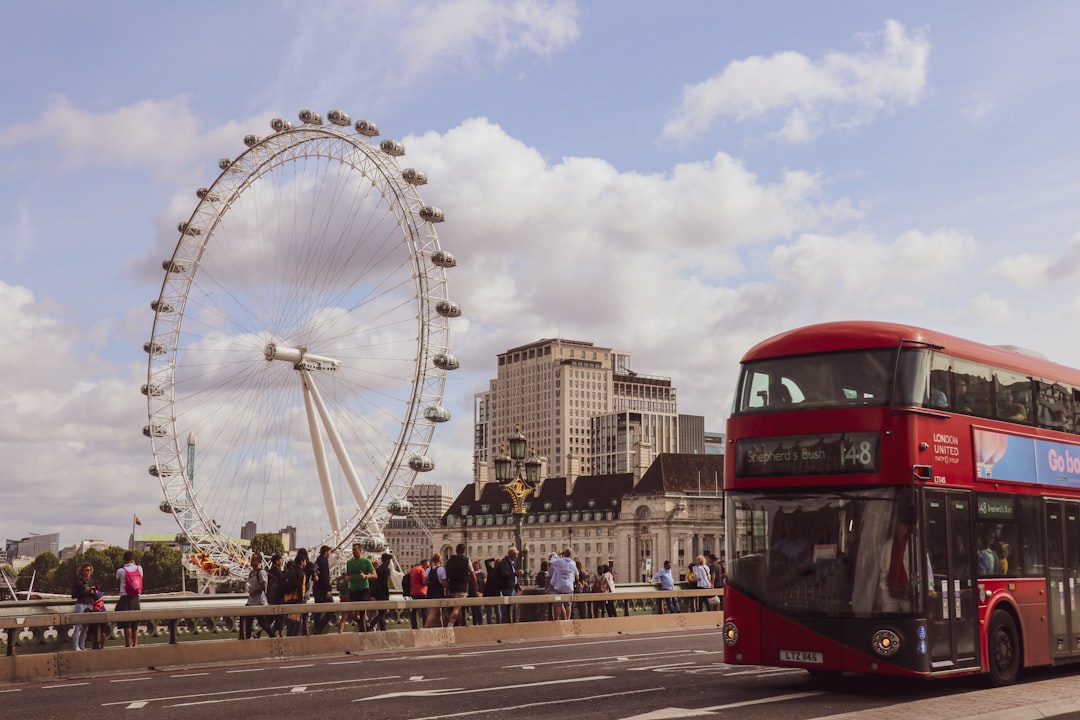
Secret World generates personalized AI itineraries that optimize the route based on your location, interests, and available time. For a weekend in London, the app might create a Saturday morning starting from Borough Market (open from 10:00 AM to 5:00 PM, Saturday), continuing on foot to the Tate Modern (free entry to the permanent collections), crossing the Millennium Bridge to St Paul's Cathedral, with estimated entry times and visit durations for each stop. All calculated considering that the total distance is about 3 km, which can be covered in 40 minutes.
The integrated audio guides complete the experience: while walking along the Southbank, you can listen to the history of Shakespeare's Globe Theatre, understand why Bankside was the theatre district in the 16th century, or discover architectural details of the Tate Modern that you would hardly find in a paper guide. This transforms every walk into a narrative experience, without having to hire a private guide, which in London can cost between 150 and 300 pounds for half a day.
Why using an AI trip planner in 2026 is really worth it
The concrete value of a tool like Secret World is not just the time saved, estimated at 3-5 hours of research for each trip. It is the quality of the choices: the AI processes data that no single traveler could manually gather, from the most recent reviews to temporary events. In London, knowing that the Chelsea Flower Show occupies an entire week in May or that some subway stations are closed on weekends for maintenance can completely change the planning.
In 2026, smart travel planning is not a luxury for a few: it is a tool accessible to everyone. Secret World is available for free: download the app, enter London as your destination, and let the artificial intelligence build your personalized itinerary in seconds. Whether you have three days or three weeks, you will find a concrete, optimized plan rich in details that no traditional guide can offer you.


