
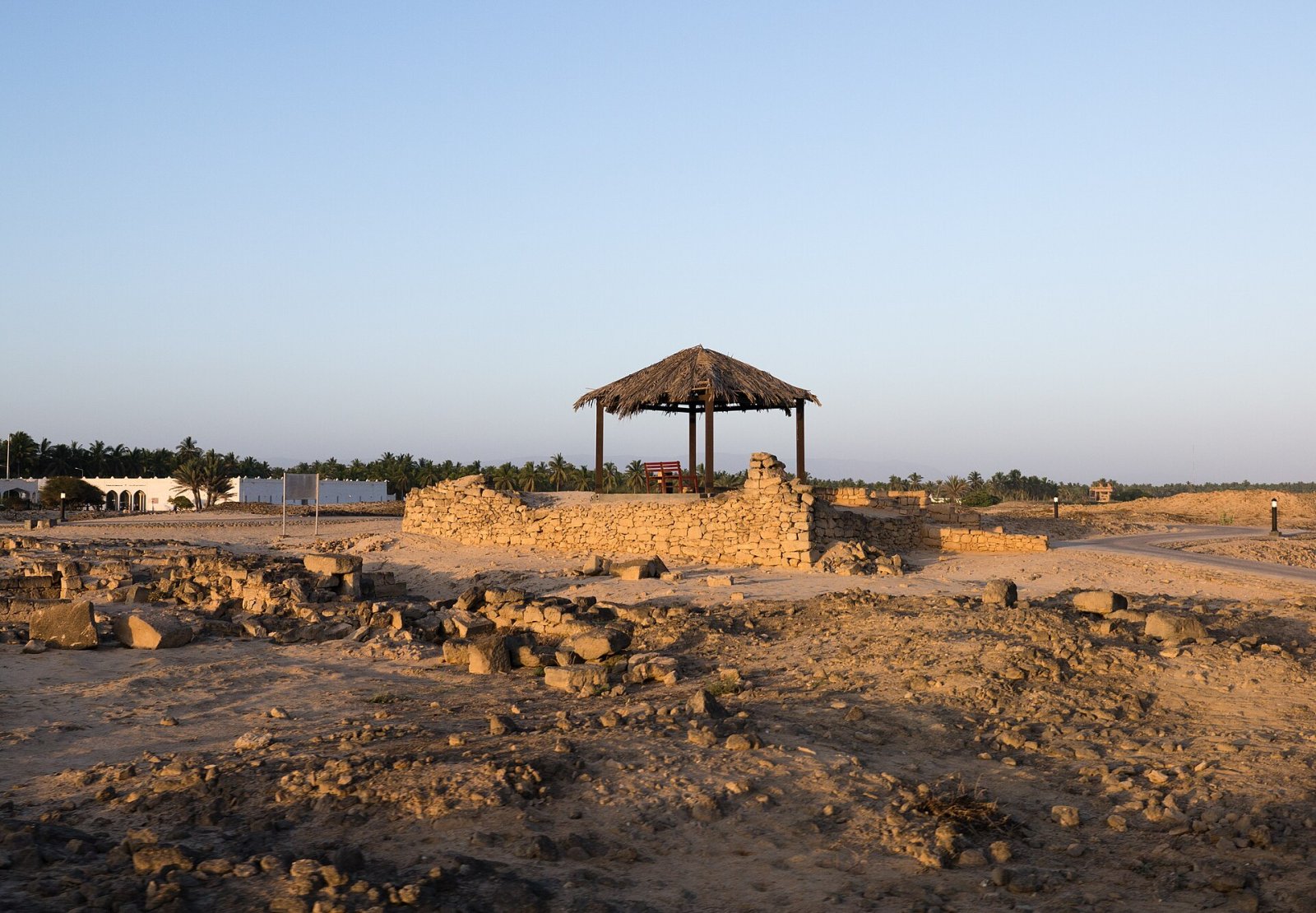

Al Baleed, located in Salalah in the Dhofar region, is an archaeological site of extraordinary historical and cultural importance. This archaeological park not only offers a dive into the past but is also part of the UNESCO World Heritage, known as the Land of Frankincense. The ruins that can be explored here belong to the ancient city of Ẓafār, once a vibrant trading port for the incense trade.
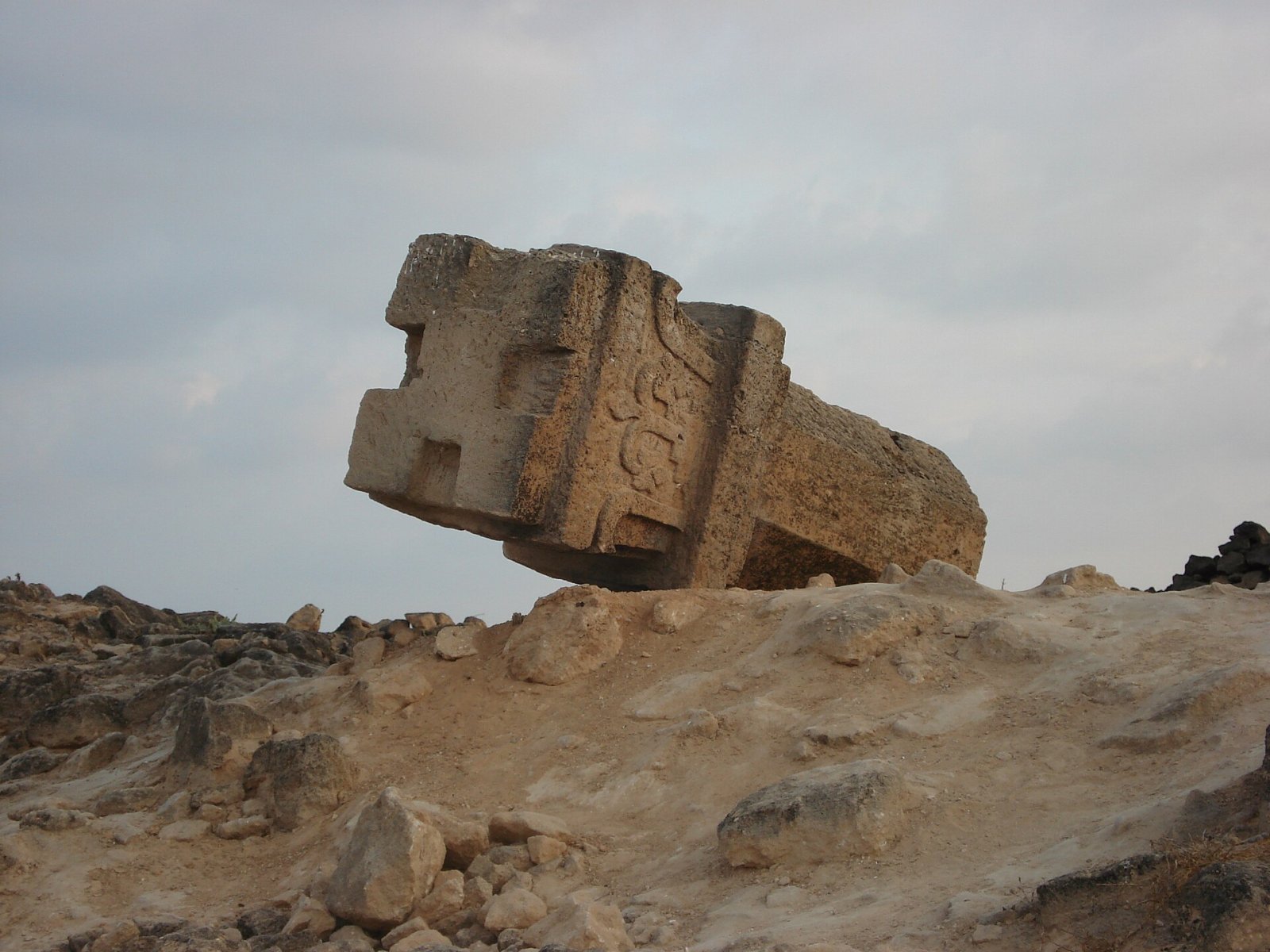
A visit to Al Baleed is an experience that allows one to understand the crucial role this location played in Oman's maritime trade and the spread of incense, a valuable product that attracted travelers and merchants from around the world, including notable names like Marco Polo and Ibn Battuta.
History and Origins
The origins of Al Baleed date back centuries, when the city of Ẓafār established itself as an important center for the incense trade. This archaeological site represents a window into an era when incense was considered a luxury good, used in religious rituals and as a trading product between civilizations. With the expansion of trade routes, Al Baleed became a hub for merchants from distant regions, fostering the meeting of cultures and traditions.
The decline of the city occurred between the 16th and 17th centuries, due to a series of factors, including invasion by foreign powers and the closure of the Khawr al Balīd lagoon, which once served as a bay. These events marked the end of an era, but the archaeological evidence present in the park continues to tell the story of a thriving civilization.
Elements to Observe
Within the archaeological park of Al Baleed, visitors can discover the well-preserved ruins of the medieval city, which include ancient walls, buildings, and structures that evoke the grandeur of a glorious past. A standout feature is the Museum of the Land of Frankincense, which offers a fascinating overview of the history of the incense trade and its cultural significance to the region.
Walking among the ruins, one can imagine the daily life of the ancient inhabitants and the interactions between the various cultures that met at this crossroads of exchanges. The architectural remains, along with the artifacts displayed in the museum, provide a rich and engaging context for understanding the historical importance of Al Baleed.
Why It Is Interesting Today
Today, Al Baleed is not just an archaeological site but also a living testament to Oman's history and cultural heritage. Its inclusion in the UNESCO World Heritage underscores the importance of preserving these places for future generations. Visiting Al Baleed offers the opportunity to reflect on the history and evolution of civilizations, making each visit an educational and enriching experience.
In an era where cultural tourism is rapidly growing, Al Baleed represents a must-visit destination for those wishing to delve into Oman's history and understand its role in the broader context of ancient trade routes. Don't forget to check the Secret World app for more details and tips on this extraordinary site.


