



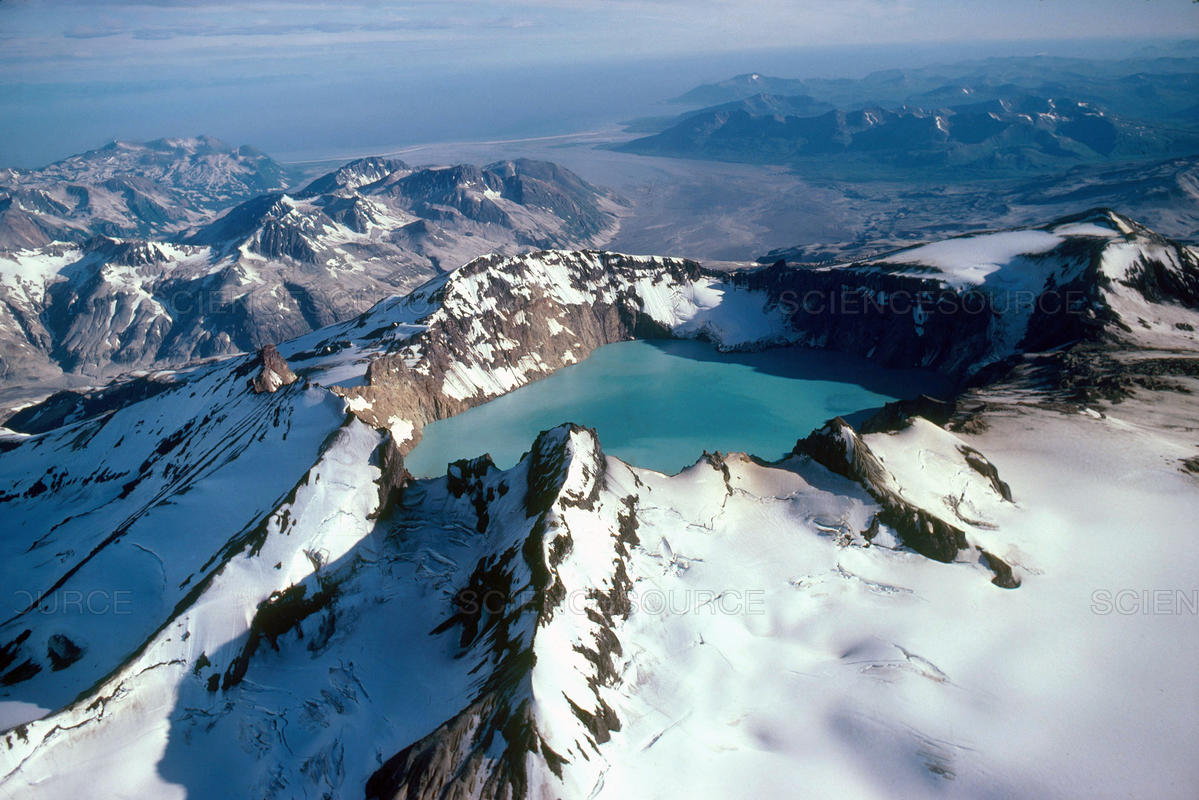
Mount Katmai is a striking gem nestled in the rugged wilderness of southern Alaska, within the expansive Katmai National Park and Preserve. This majestic peak, rising approximately 2 kilometers high, is more than just a mountain; it is a testament to the power of nature and a window into the earth's fiery past. The mountain is actually a vast volcanic crater filled with water, formed by one of the most significant volcanic eruptions in history.
### History and Origins The origins of Mount Katmai are steeped in the geological tumult of the region. The mountain's dramatic transformation began on June 5, 1912, during a cataclysmic eruption that is often cited as the largest volcanic eruption of the 20th century. This event not only altered the mountain's height but also reshaped the entire landscape, creating a caldera that now houses Katmai's stunning lakes and diverse ecosystems.
Long before this eruption, the region was inhabited by the Alutiiq people, who thrived on the bountiful resources the land provided. They formed a rich culture deeply connected to the natural world, relying on fishing, hunting, and gathering. Today, many Alutiiq traditions continue to be celebrated, emphasizing the importance of environmental stewardship.
### Art and Architecture While Mount Katmai itself is a natural monument, the surrounding areas reflect a unique blend of indigenous art and modern expressions. The Alutiiq people are known for their intricate carvings and textiles, many of which depict stories of their ancestry and the spirits of the land. Art is a vital component of their cultural identity, with traditional crafts such as musk ox wool weaving and wood carving being passed down through generations.
The architecture in the vicinity is largely utilitarian, designed to harmonize with the rugged landscape. Many visitors opt for rustic lodges and camps that provide an authentic experience of Alaskan wilderness, often adorned with local art that celebrates the area's natural beauty.
### Local Culture and Traditions Visiting Mount Katmai offers a glimpse into the vibrant traditions and customs of the Alutiiq people. Festivals such as the Alaska Native Heritage Month showcase traditional dances, storytelling, and subsistence practices that honor their ancestors and the land. These celebrations are not only about preserving history; they are also a way for the community to come together and share their rich cultural heritage with visitors.
The connection to nature is paramount in local customs. The Alutiiq people celebrate the changing seasons with ceremonies that reflect the rhythms of the earth, from the return of salmon in the rivers to the gathering of berries in summer. Each season brings its own unique activities, allowing visitors to engage with the local culture through guided experiences.
### Gastronomy The culinary landscape of Mount Katmai and its surrounding areas is a reflection of the natural bounty available. The Alutiiq diet traditionally includes salmon, halibut, berries, and wild game, all of which can often be sampled in local eateries. Salmon, in particular, plays a central role in both their cuisine and their cultural practices, celebrated during fishing seasons.
Visitors should not miss trying smoked salmon or salmonberry jam, which are local delicacies. For those looking for a unique dining experience, many lodges offer fresh, locally-sourced meals that highlight the flavors of the region, often paired with locally brewed beers or spirits from small Alaskan distilleries.
### Lesser-Known Curiosities While many tourists flock to Katmai National Park to witness the breathtaking scenery and wildlife, some lesser-known facts may surprise even the most seasoned travelers. For instance, the park is renowned for its brown bear population, particularly during the salmon run, but it also plays host to hidden hot springs and geothermal features that are less frequented.
Additionally, Mount Katmai is a prime location for observing the phenomenon known as “volcanic lightning,” which occurs during eruptions and can create a stunning display. The park's remote location means that visitors often experience solitude amidst the vast wilderness, with opportunities to see the northern lights in the winter months, providing a magical backdrop to this already enchanting location.
### Practical Visitor Information For those considering a visit to Mount Katmai, the best time to explore is during the summer months, from June to September, when the weather is milder, and wildlife is most active. Katmai National Park is accessible by plane or boat, with various guided tours available that offer insight into the park's natural wonders.
When visiting, prepare for rugged terrain and bring appropriate gear for hiking and wildlife observation. Look for guided tours that provide opportunities to view brown bears fishing for salmon, and keep an eye out for the park's stunning flora, including wildflowers that bloom in profusion during the warmer months.
In conclusion, Mount Katmai is not just a destination for adventure seekers; it is a place steeped in rich history, cultural significance, and natural beauty. From its volcanic origins to the thriving culture of the Alutiiq people, this majestic mountain offers a unique experience that lingers long after the journey ends.
To make the most of your adventure, consider using the Secret World app to craft a personalized itinerary that uncovers the hidden gems of this breathtaking landscape.
