



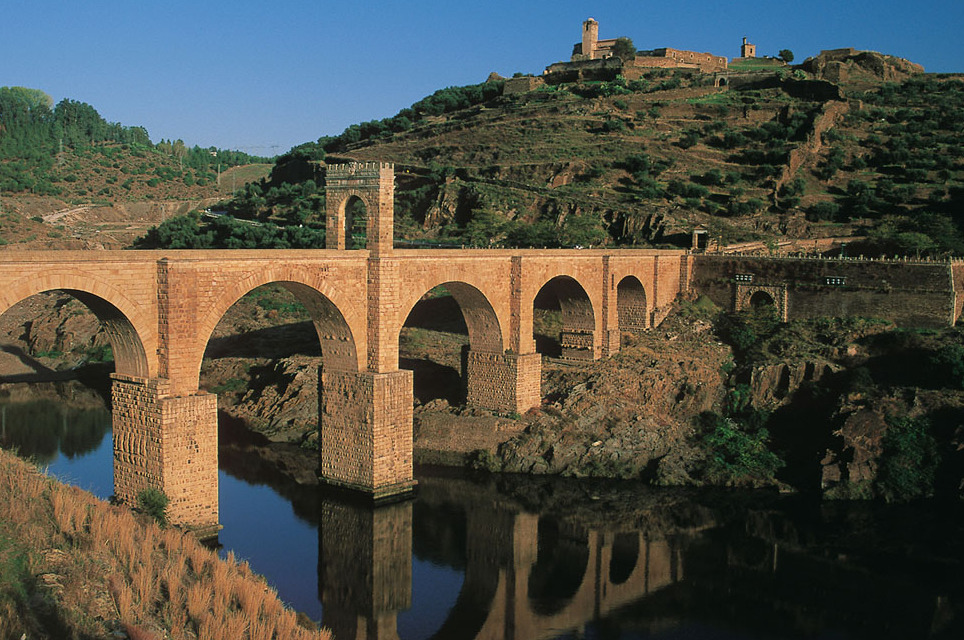
The Alcántara Bridge, an extraordinary example of Imperial Roman engineering, stands majestically over the Tagus River in Alcántara, Cáceres. Commissioned by Emperor Trajan in 98 CE, this architectural marvel was constructed to facilitate military and trade routes across the river. Completed in just two years, the bridge features a stunning five-arch design, with the central arch measuring an impressive 28 meters in height, making it one of the tallest bridges of its kind in ancient Rome. Its enduring presence is a testament to the exceptional skill and artistry of Roman builders, who employed granite blocks with remarkable precision. Over the centuries, the bridge has witnessed historical events, including wars and conflicts, leading to various repairs, the most significant of which occurred in 1969 when the main pillars were restored to their former glory.
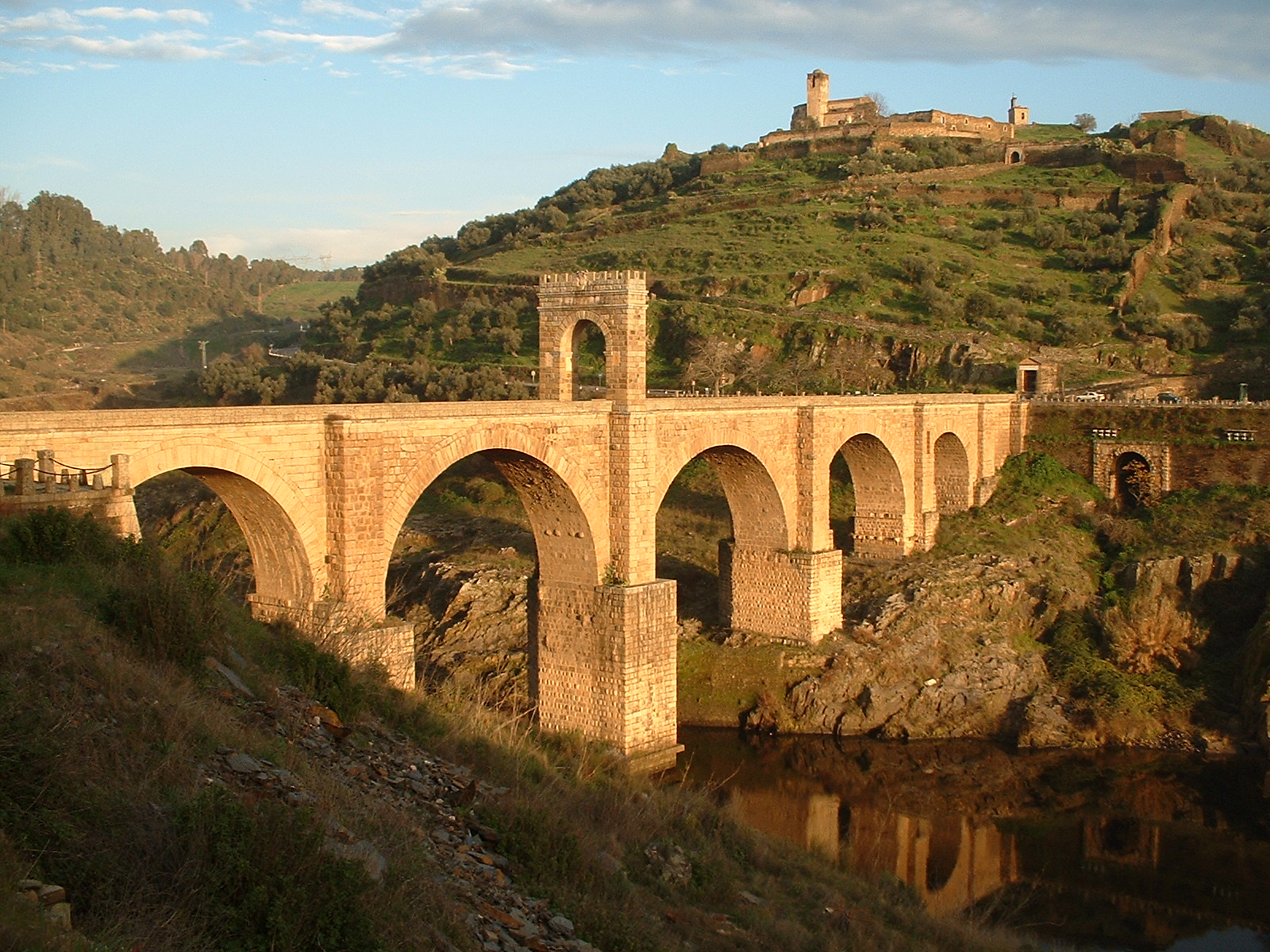
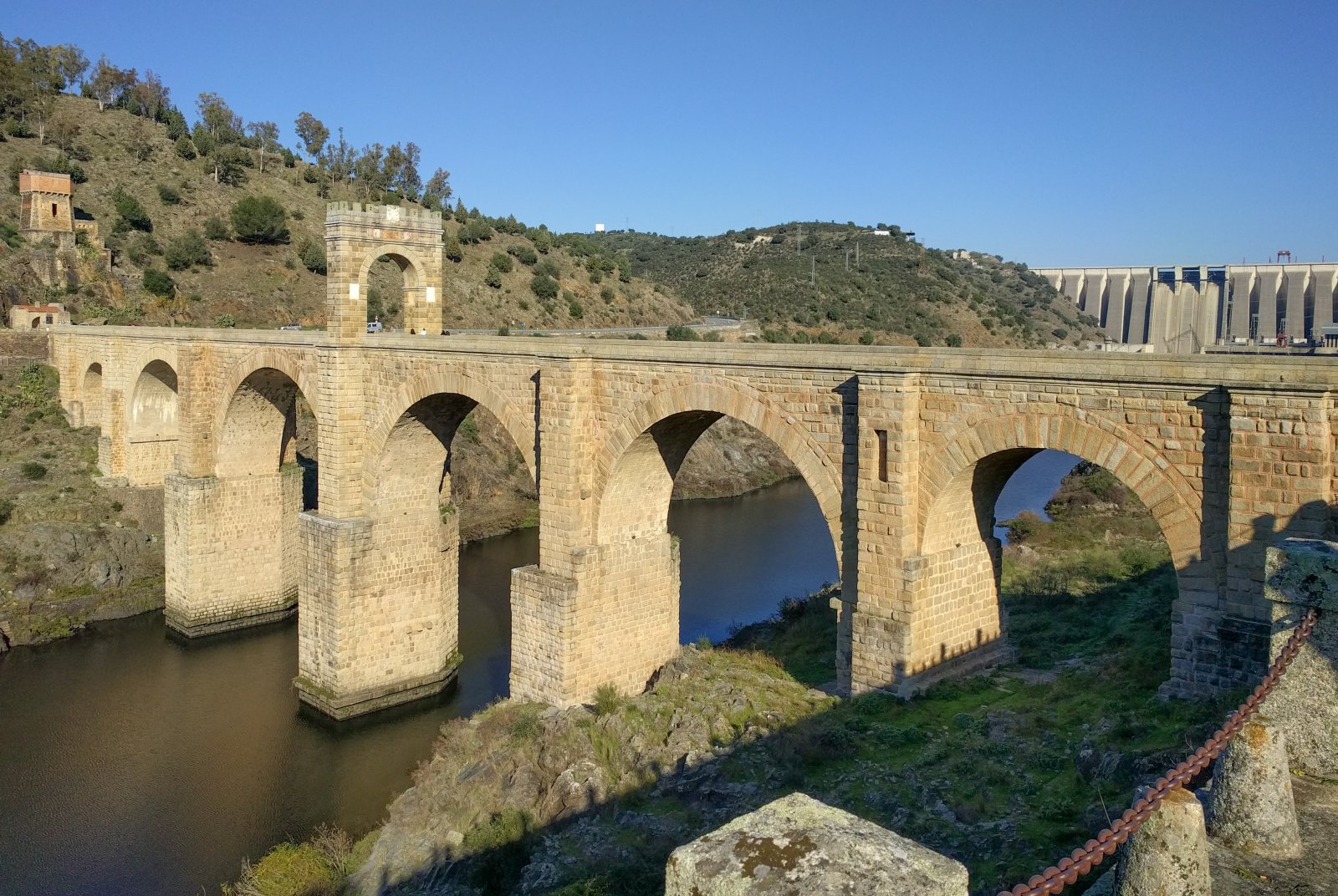
The architectural style of the Alcántara Bridge is characterized by its classical Roman arches and robust construction, showcasing the engineering prowess of the era. The structure not only served practical purposes but was also a symbol of the Roman Empire's power and reach. Intriguingly, the bridge is adorned with a Roman inscription that pays homage to Emperor Trajan, highlighting its historical significance and connection to Imperial Rome.
Local culture thrives in the shadow of this ancient monument. The town of Alcántara hosts several festivals throughout the year, celebrating both its Roman heritage and regional traditions. One of the most notable events is the Fiesta de San Pedro, held in late June, where locals gather for a vibrant procession, traditional music, and local gastronomy. These events encapsulate the spirit of the community, blending history with contemporary culture.
Speaking of gastronomy, Alcántara is renowned for its exquisite cuisine that reflects the agricultural bounty of the region. Visitors can savor local specialties such as Torta del Casar, a creamy cheese made from sheep's milk, and Chanfaina, a traditional dish made with rice, blood, and offal. Pair these delights with a glass of Pitarra wine, a local variety that embodies the flavors of the Extremadura region, enhancing the culinary experience.
For those intrigued by lesser-known curiosities, the Alcántara Bridge holds a few surprises. One such fact is its strategic role during the Spanish Civil War, where it served as a bridgehead for troops. Additionally, the bridge has often been featured in films and documentaries, appearing as a backdrop that evokes the grandeur of ancient Rome.
The best time to visit the Alcántara Bridge is during the spring or early autumn, when the weather is pleasantly mild, allowing for comfortable exploration. Visitors are encouraged to take a leisurely walk across the bridge to appreciate its scale and intricacies up close. Don’t forget to bring a camera, as the views of the surrounding landscape are breathtaking, especially at sunrise and sunset.
As you explore this monumental site, look for the small plaques that provide insights into its history and construction, offering a deeper understanding of its significance.
In conclusion, the Alcántara Bridge is not just a stunning architectural feat but also a portal into the rich tapestry of Roman history and local culture. Plan your visit to uncover the stories and flavors that make this site a must-see in Cáceres. For a personalized experience, consider using the Secret World app to curate your itinerary around Alcántara.
