



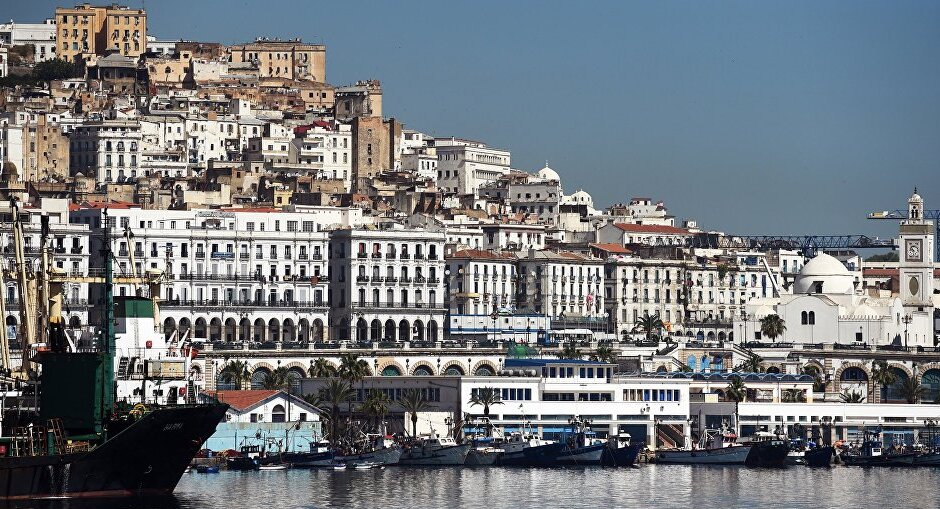
Algeria, a land of rich history and vibrant culture, beckons travelers to explore its remarkable landscapes and heritage.
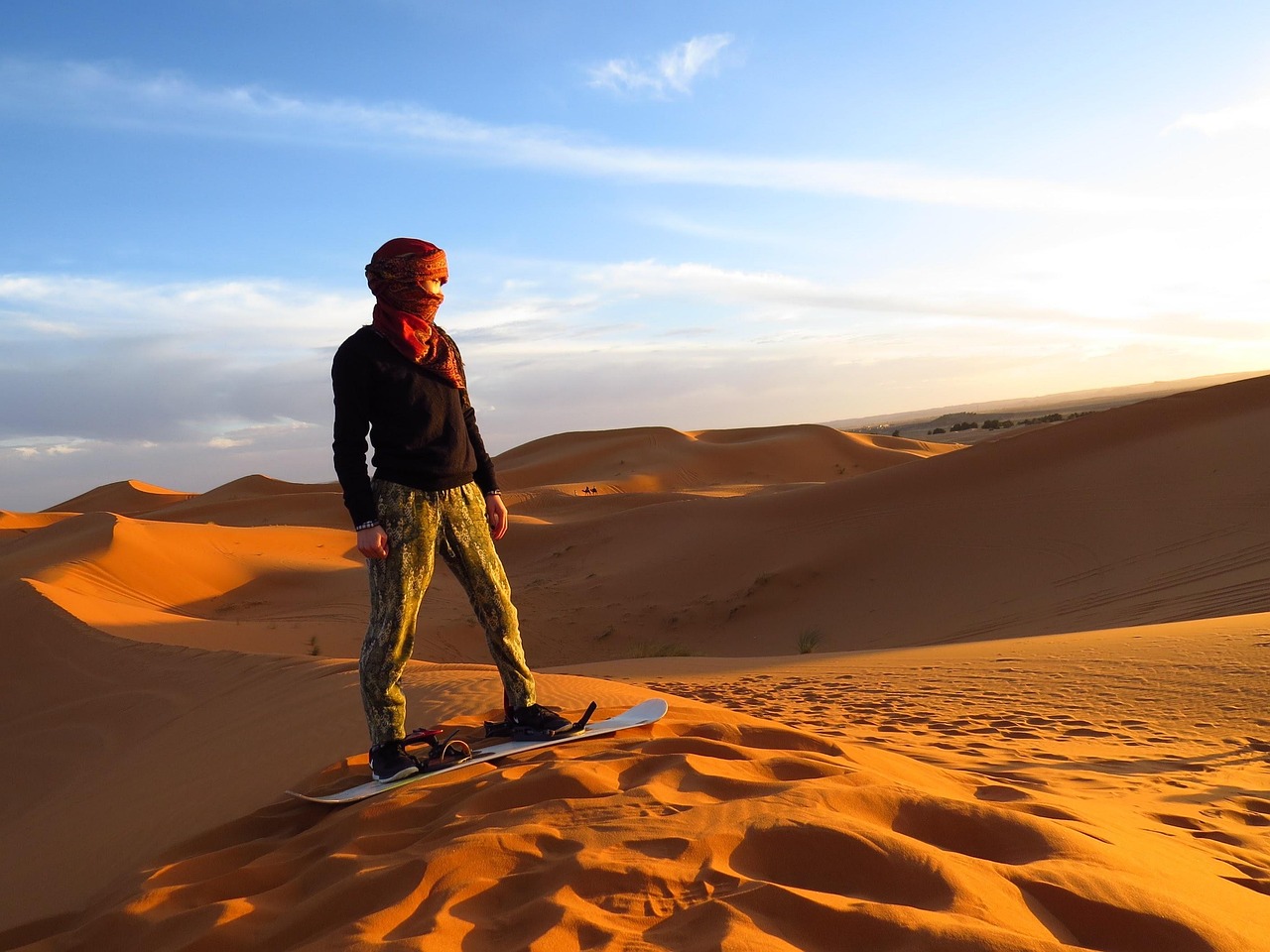
Algeria, located in North Africa, is a nation teeming with intricate history and awe-inspiring landscapes. Stretching from the Mediterranean Sea coast to the vast expanses of the Sahara Desert, Algeria is a tapestry woven with diverse cultures and civilizations. From the ancient Phoenicians to the mighty Ottomans, each empire has left indelible marks on this land.
History and Origins The history of Algeria dates back thousands of years, with evidence of human habitation in the region since the Neolithic period. The Carthaginians established trading posts along the coast in the first millennium BC, followed by the Romans, who left behind stunning ruins such as those found in Tipasa. Tipasa, a UNESCO World Heritage site, showcases remnants of Roman temples, theatres, and tombs amidst breathtaking coastal scenery. After centuries of conquest, Algeria fell under Ottoman rule in the 16th century, leading to the establishment of Algiers as a significant port city. The French colonization in the 19th century further transformed Algeria, culminating in a long struggle for independence, which was finally achieved in 1962.

Art and Architecture Algeria's architectural landscape is a testament to its rich history. The Casbah of Algiers, a UNESCO World Heritage site, is a labyrinth of narrow alleys and stairways that reflect Ottoman architecture. Here, the Ketchaoua Mosque, built in 1612, stands as a symbol of the city’s Islamic heritage. The Basilica of Our Lady of Africa, a stunning Neo-Byzantine structure completed in 1872, overlooks the bay and serves as a reminder of the French colonial period. Artistic expression in Algeria is also found in its vibrant mosaic art, with intricate designs that adorn public buildings and homes, reflecting the country’s diverse cultural influences.
Local Culture and Traditions Algerians take immense pride in their rich cultural tapestry, where Berber, Arab, and French influences intertwine. Festivals such as the Mouloud, celebrating the birth of the Prophet Muhammad, are marked by vibrant parades and traditional music. Aïd al-Fitr and Aïd al-Adha are also widely celebrated with communal prayers and feasting. Traditional crafts, including pottery, weaving, and metalwork, are cherished and passed down through generations, often showcased in local markets. The Sahara region hosts unique traditions, such as the Touareg people's mesmerizing songs and dances, which narrate their rich nomadic heritage.
Gastronomy Algerian cuisine is a delightful fusion of flavors influenced by Mediterranean and North African traditions. A must-try dish is couscous, often served with lamb, chicken, or vegetables, and flavored with a variety of spices. The hearty chakhchoukha, a traditional Berber dish, features torn pieces of bread soaked in a rich stew. Mechoui, whole roasted lamb, is a popular dish for gatherings and celebrations. For dessert, indulge in makroud, semolina pastries filled with dates or nuts, and enjoy a cup of mint tea, a staple of Algerian hospitality.
Lesser-known Curiosities Beneath the surface of Algeria's well-known attractions lie hidden gems that tell unique stories. One such place is the Mausoleum of the Kings of Numidia, located near Timgad, which houses ancient tombs dating back to the 2nd century BC. The Sahara Desert is home to the Tassili n'Ajjer, a UNESCO-listed national park famed for its prehistoric rock art, depicting scenes of ancient life and wildlife. Moreover, the Hoggar Mountains offer surreal landscapes and an opportunity to meet the local Touareg people, known for their striking blue robes and fascinating traditions.
Practical Visitor Information The best time to visit Algeria is during the spring (March to May) and autumn (September to November) when the weather is mild and ideal for exploring. Travelers should be mindful of local customs; dressing modestly is appreciated, especially in rural areas. When visiting the Casbah, it's best to join a guided tour to navigate its winding streets and appreciate its history. Don't miss the chance to sample local street food and visit bustling souks, where you can find traditional crafts and spices.
Algeria is a destination that promises a profound journey through time, culture, and breathtaking landscapes. For a customized travel experience, consider using the Secret World app to plan your personalized itinerary.
