
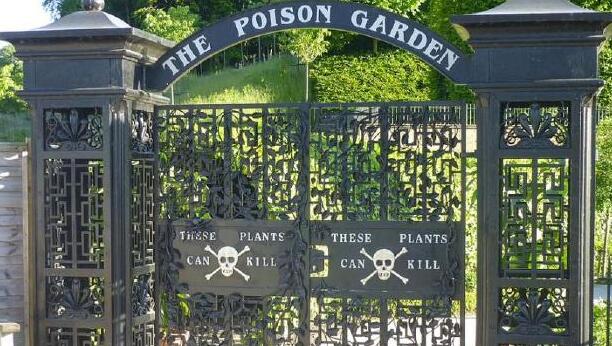

Hidden within the serene landscape of Northumberland in the United Kingdom, the Alnwick Poison Gardens invite visitors into an enigmatic world where beauty masks danger. Nestled within the larger Alnwick Garden, this unique botanical collection is not for the faint-hearted. Behind its black iron gates lie over 100 of the world’s most dangerous plants, a stark reminder of nature's lethal potential.
The origins of the Poison Gardens are as intriguing as the plants it houses. Conceived by the visionary Duchess of Northumberland, Jane Percy, the garden was opened in 2005 as part of a grand transformation of the Alnwick Castle grounds. Inspired by the Medici family’s botanical gardens in Padua, Italy, a centuries-old source for medicinal and toxic plant knowledge, the Duchess aimed to educate the public about the dual nature of plants – their power to cure and to kill. The concept was radical yet rooted in history, echoing the medieval practice of cultivating physic gardens that served both apothecaries and poisoners alike.
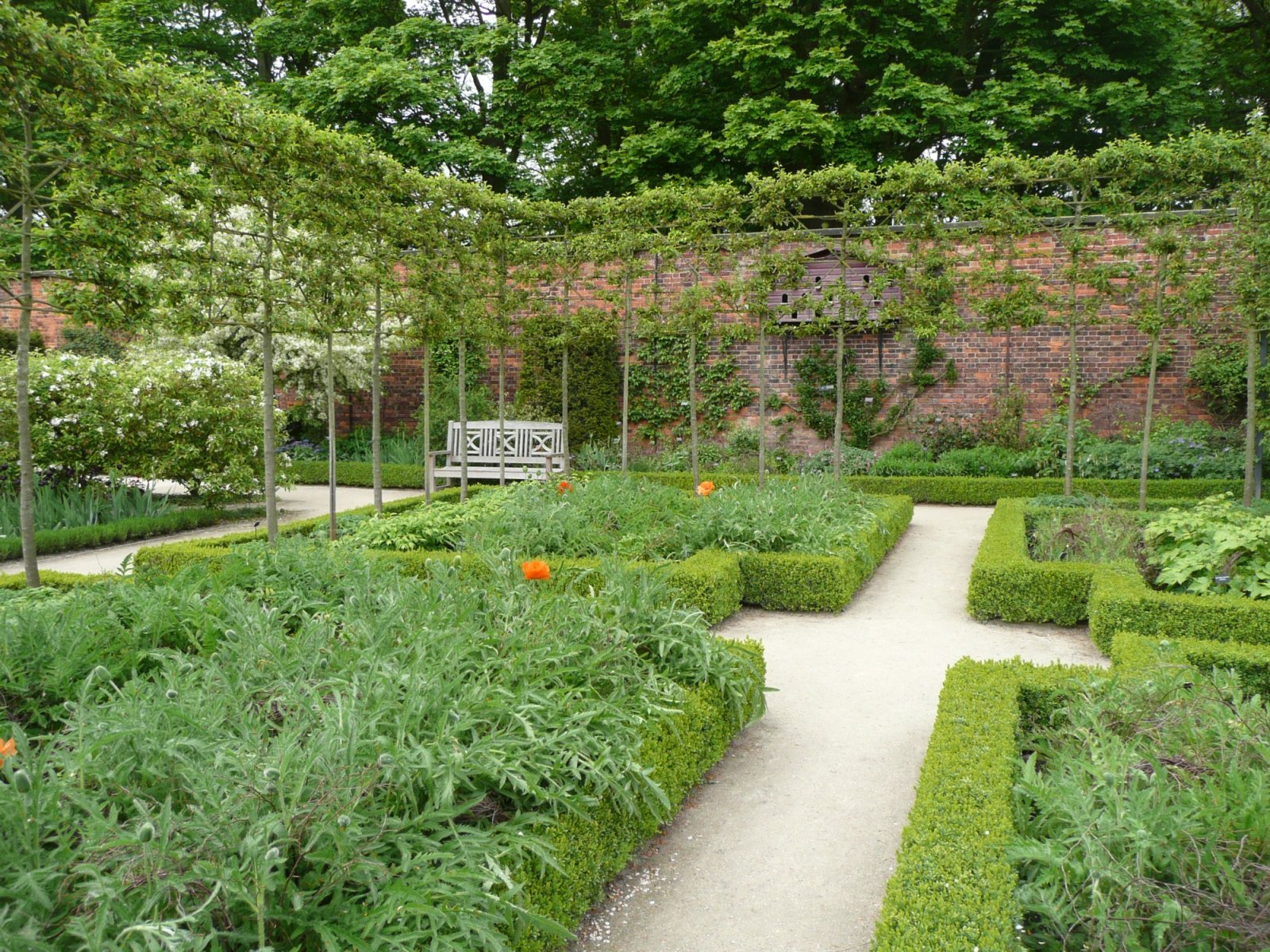
The garden’s design is a fascinating blend of artistry and practicality. Enclosed by high stone walls to ensure safety, it features a series of intricate iron gates and paths, guiding visitors through a menagerie of botanical villainy. Each plant is accompanied by detailed signage and, often, a guide who narrates its history and uses. The stark black and green color palette of the garden enhances its haunting allure, emphasizing the shadowy nature of its inhabitants.
Beyond its sinister botanical collection, the Alnwick Garden is a hub of local culture and tradition. The annual Alnwick Food Festival, held in September, is a vibrant celebration of regional produce and culinary expertise. While the Poison Garden itself may not provide ingredients for your plate, the surrounding area is rich in traditional foods. Visitors can savor Northumberland’s hearty dishes like pan haggerty, a comforting potato and cheese bake, or enjoy fresh seafood from the nearby North Sea.
A visit to the Poison Gardens is not complete without delving into its lesser-known curiosities. Among the infamous collection of killers such as Atropa belladonna and Conium maculatum, you’ll find plants with surprising stories. For instance, the tobacco plant, seemingly innocuous, is highlighted for its deadly nicotine, reminding visitors of the understated dangers of everyday life. The garden also features plants with intriguing historical connections, like ricinus communis, the source of castor oil, which played a role in political assassinations.
For those planning to visit, the best time to explore is during the late spring and summer months, when the garden is in full bloom. The guided tours are not just informative but essential, as they provide insights into the plants' historical uses and the modern consequences of their misuse. It's important to stay within designated paths and resist the temptation to touch or smell the plants, as many are highly toxic.
Whether you are a botany enthusiast, a history buff, or simply a curious traveler, the Alnwick Poison Gardens offer a unique perspective on the balance of beauty and danger, life and death. It stands as a testament to the Duchess’s vision of a garden that is not only visually striking but intellectually stimulating, challenging our perceptions of the natural world. As you leave, you’ll carry with you a deeper appreciation for the delicate line between harm and healing, a reminder that sometimes, the most beautiful things are also the most perilous.


