
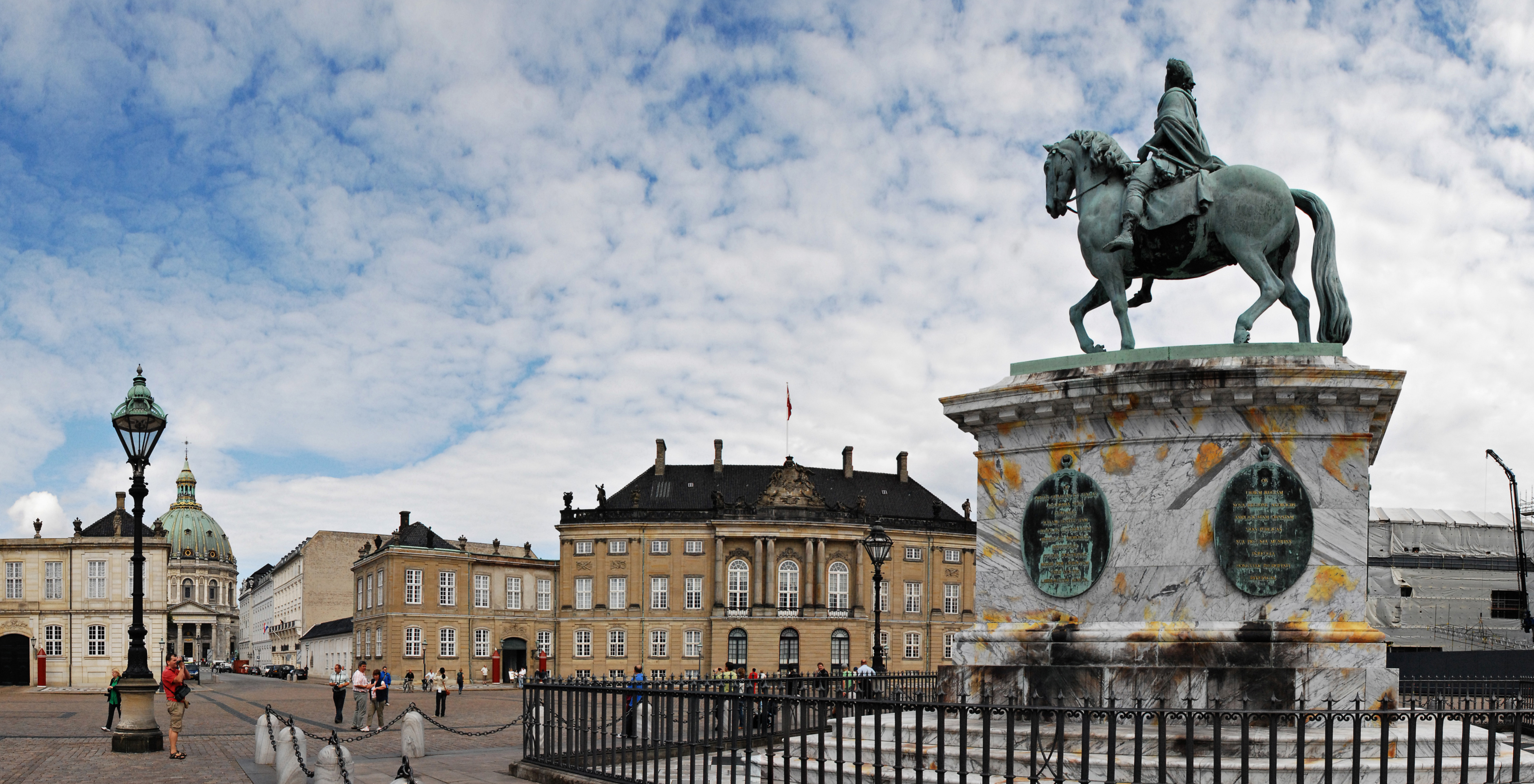

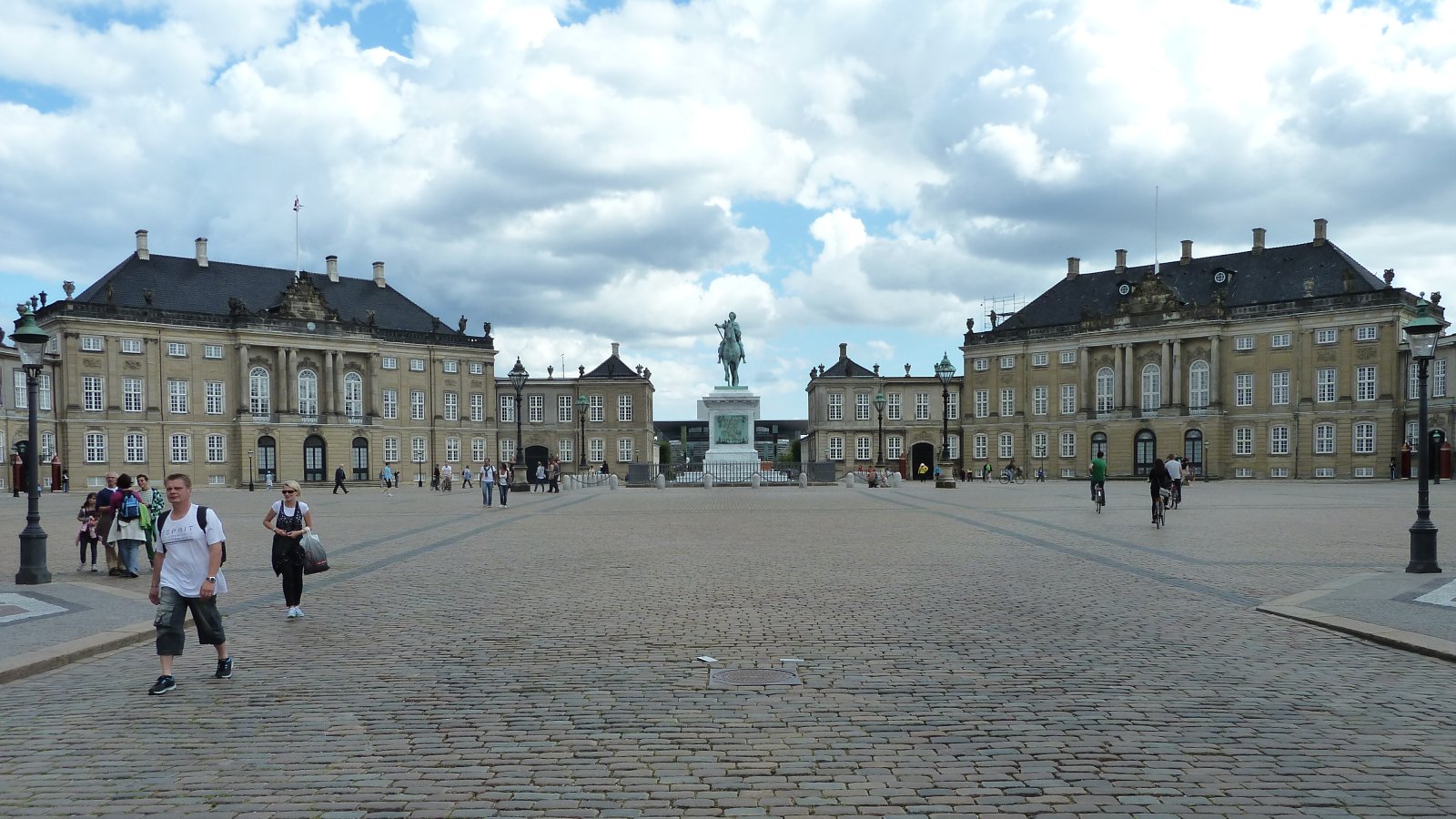
Nestled in the heart of København, Amalienborg stands as a testament to Denmark’s regal heritage and architectural brilliance. This winter residence of the Danish royal family is not merely one building but a stunning ensemble of four identical palaces, designed to encircle a magnificent octagonal square. Each structure reflects the Rococo style, a hallmark of elegance and artistry that defines an era.
History and Origins The origins of Amalienborg date back to the mid-18th century, a time when King Frederik V sought a new royal residence. Instead of constructing a singular palace, he commissioned the building of four palaces, which were to be constructed to house noble families. The king's innovative approach allowed him to conserve resources; four noble families were granted tax immunity for forty years in exchange for their investment and service to the crown.
In 1794, a significant event occurred when a fire devastated Christiansborg Palace, prompting the royal family to relocate to these newly constructed palaces. Today, Amalienborg is recognized not only as a royal residence but also as a symbol of Danish culture and heritage.
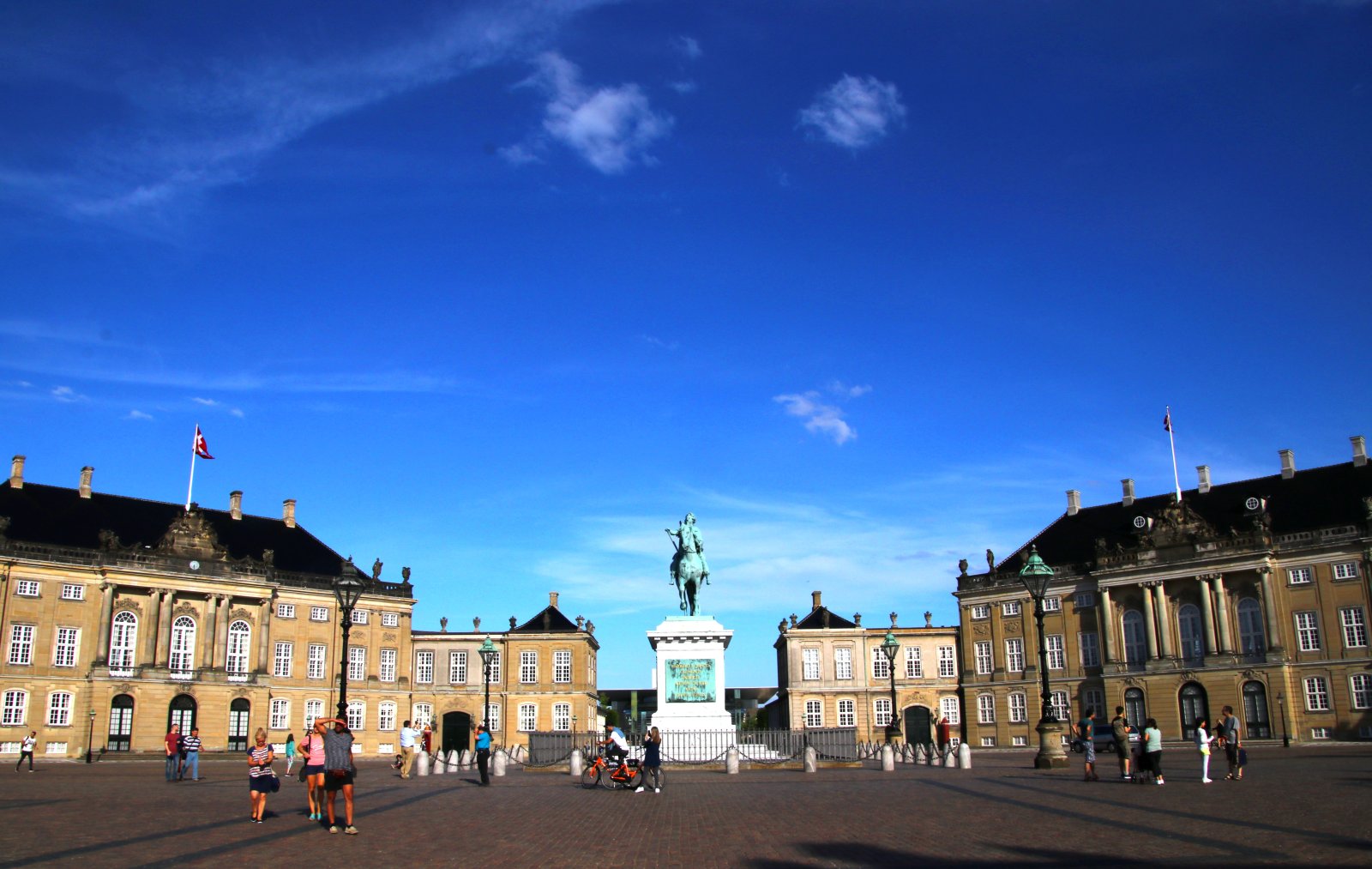
Art and Architecture The architectural significance of Amalienborg cannot be overstated. It exemplifies the Rococo style, characterized by its ornate details and harmonious proportions. The four palaces—Château de Fredensborg, Château de Christian VII, Château de Christian VIII, and Château de Frederik VIII—are arranged around the Frederik V statue, which is a remarkable piece sculpted by Jean-Baptiste Saly. The statue stands proudly in the center of the octagonal courtyard, symbolizing the royal lineage and the artistic legacy of the time.
Visitors are often captivated by the intricate facades adorned with decorative motifs and the elegant balconies that provide a glimpse into the royal lifestyle. The interiors of the palaces are equally breathtaking, showcasing exquisite Danish porcelain, period furniture, and artworks that narrate the history of the monarchy.
Local Culture and Traditions The cultural significance of Amalienborg extends beyond its architectural grandeur. The site is deeply woven into the fabric of Danish traditions. Every day at noon, the Changing of the Guard ceremony takes place, where soldiers from the Royal Life Guards march in a formal procession, a spectacle that draws both locals and tourists alike. Special events, such as the Queen’s birthday celebrations in April, are also held here, showcasing the vibrant traditions of the Danish royal family.
Gastronomy Exploring the culinary offerings surrounding Amalienborg is a delightful experience. The area offers traditional Danish pastries like wienerbrød and savory delights such as smørrebrød, an open-faced sandwich that is a local favorite. Nearby cafés and restaurants often serve these delicacies, allowing visitors to indulge in the flavors of Denmark while soaking in the royal atmosphere. Don’t miss trying Akvavit, a traditional Scandinavian spirit, often enjoyed during festive occasions.
Lesser-known Curiosities For those eager to delve deeper, Amalienborg has its share of hidden stories. One intriguing fact is that the architecture was inspired by the Palais de Versailles, reflecting the grandeur of French baroque style while maintaining a distinctly Danish touch. Additionally, the palace has a unique tradition where the royal family’s Christmas tree is displayed in the main hall, a practice that dates back to the late 19th century.
Another lesser-known detail is the Amalienborg Museum, which offers insight into the daily lives of the royal family, featuring artifacts and exhibitions that tell the story of generations past.
Practical Visitor Information The best time to visit Amalienborg is during the spring and summer months (April to September) when the weather is pleasant, and outdoor events are more frequent. Arrive early to secure a good spot for the Changing of the Guard and take your time exploring the museum and the surrounding gardens. Be sure to bring a camera; the octagonal square offers stunning photo opportunities, particularly during the golden hour.
For a unique experience, consider attending one of the royal events, which are often open to the public, allowing you to witness the rich pageantry of Danish royal life.
A visit to Amalienborg is not just a glimpse into the lives of the Danish royals; it is an immersion into a culture steeped in history, artistry, and culinary delights. For a personalized itinerary to explore more of København, consider using the Secret World app for tailored recommendations.


