
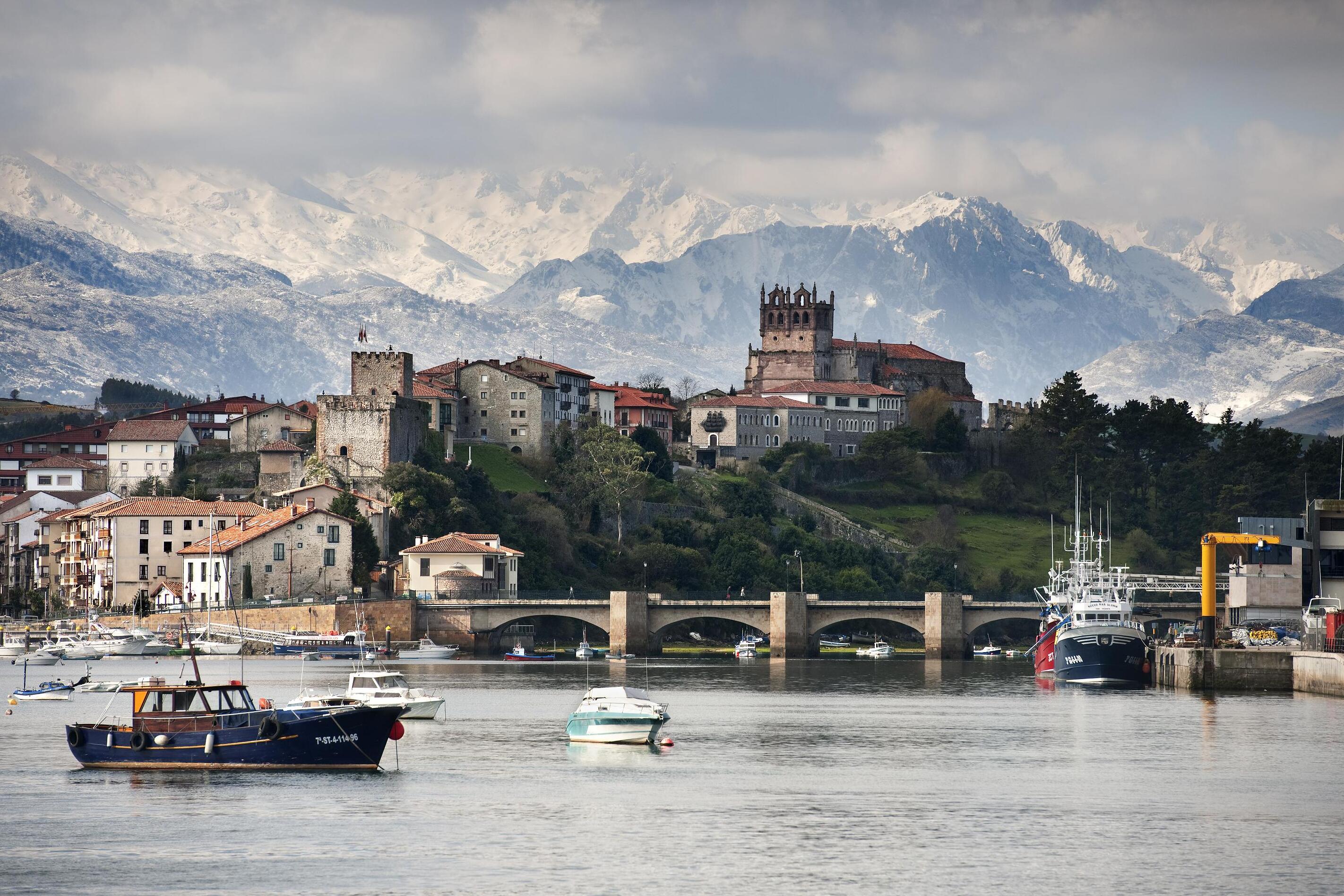

Nestled on the rugged Cantabrian coast, San Vicente de la Barquera beckons travelers with its breathtaking vistas and rich tapestry of history. This charming village, once a humble fishermen's refuge, offers a picturesque blend of sandy beaches, ancient architecture, and the majestic backdrop of the Picos de Europa. As you wander through its cobbled streets, you are not just witnessing a town, but stepping into a living history book where every corner narrates a tale of the past.
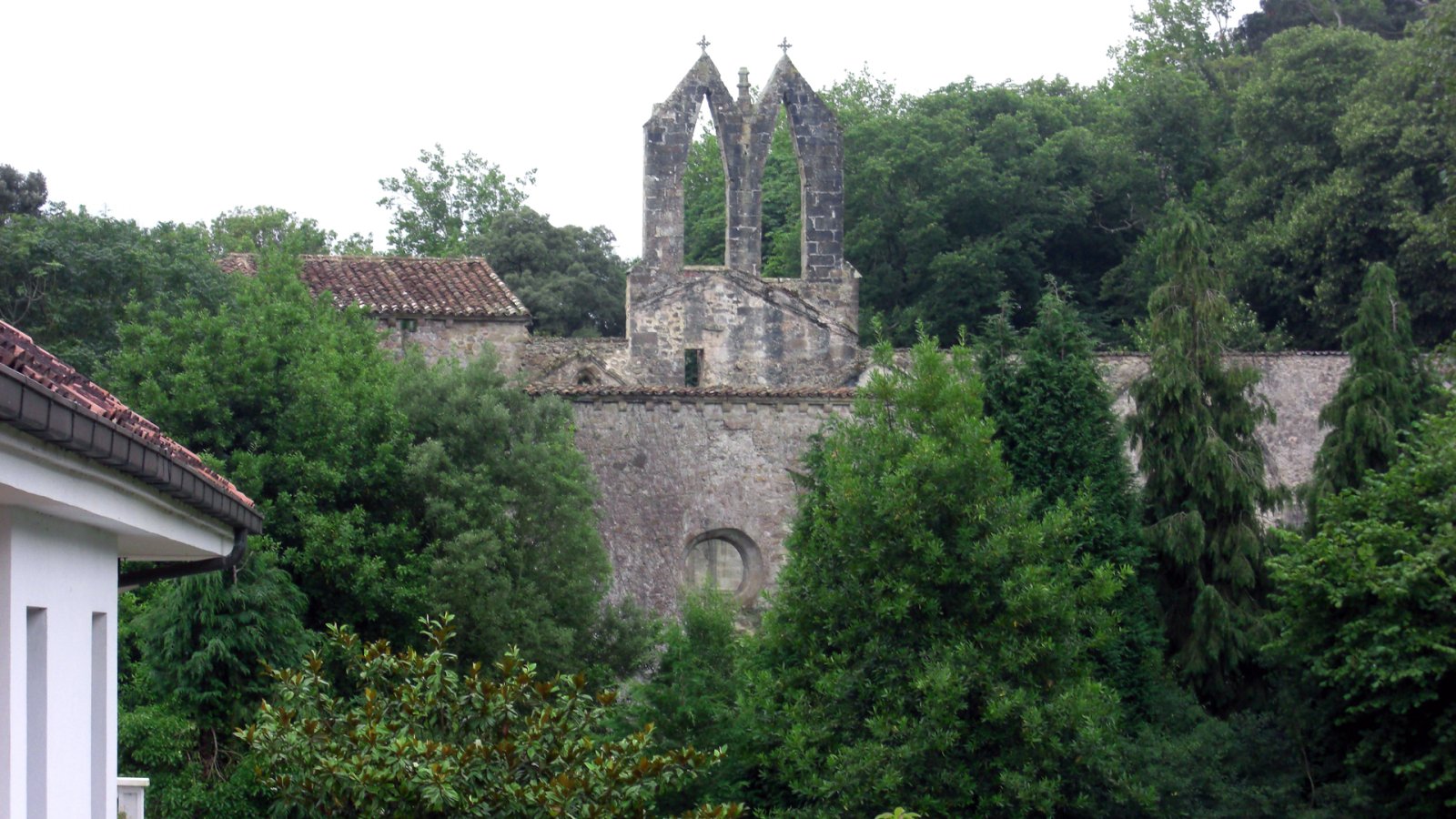
The origins of San Vicente de la Barquera trace back to the prehistoric era, with evidence of human settlement in the area going back thousands of years. It was formally established as a town in the Middle Ages, gaining prominence in 1210 when King Alfonso VIII granted it a charter. This move was strategic, aiming to fortify the frontier against potential invasions and to stimulate economic growth. As a key port in the Kingdom of Castile, it flourished during the 13th and 14th centuries, becoming a bustling hub for maritime trade and fishing.
The town's skyline is dominated by the imposing Church of Santa María de los Ángeles, a quintessential example of Gothic architecture. Built between the 13th and 16th centuries, its intricate stonework and towering bell tower are testaments to the town's historical wealth. Inside, visitors can marvel at remarkable altarpieces and religious artifacts that have withstood the test of time. Another architectural gem is the Castillo del Rey, a fortress that overlooks the estuary and offers sweeping views of the surrounding landscape. Built in the 13th century, it played a crucial role in defending the town from invaders.
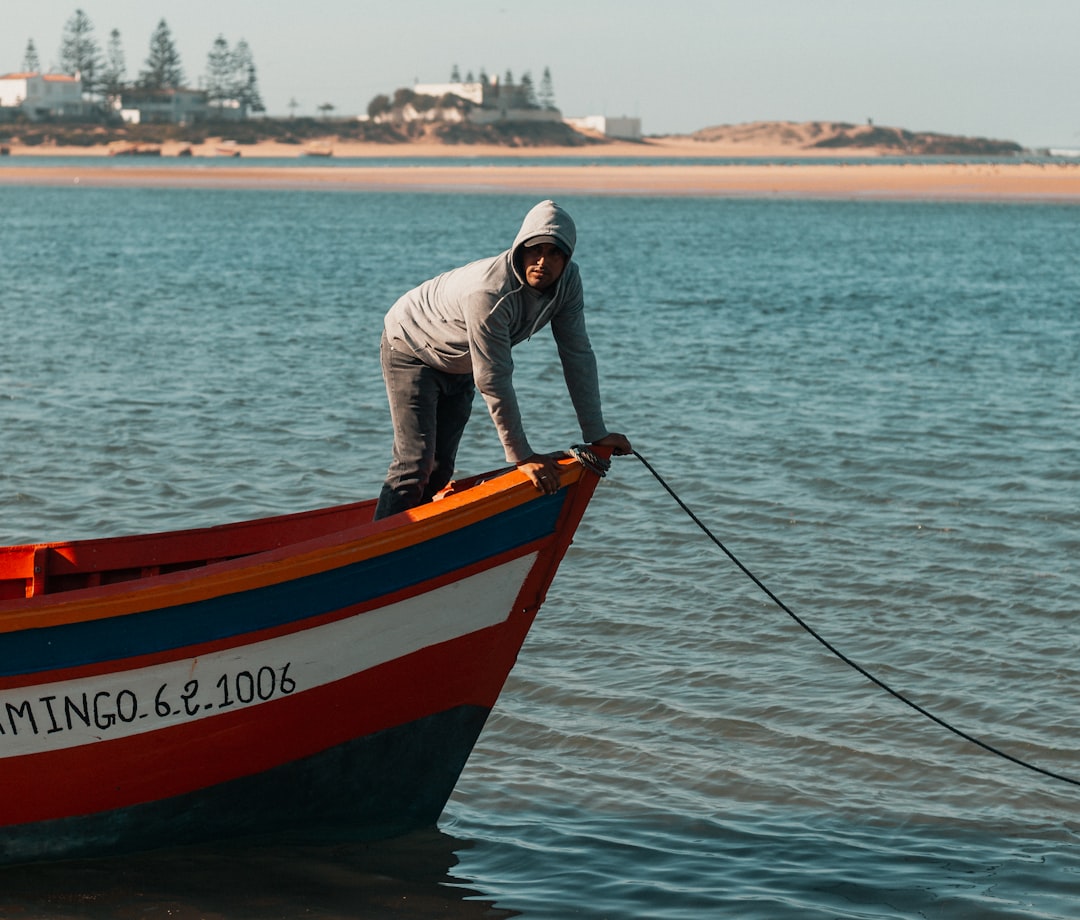
San Vicente is not just about historical grandeur; it is a vibrant community with deep-rooted traditions. One of the most significant cultural events is the Fiestas de La Folía, celebrated annually on the second Sunday after Easter. This festival honors the town's maritime heritage with a procession of boats led by a statue of the Virgin Mary, concluding with a lively feast and traditional music. Another cherished event is the Virgen del Carmen, held in July, which pays homage to the patron saint of sailors with floral offerings and a maritime procession.
The gastronomy of San Vicente de la Barquera is a delightful reflection of its coastal heritage. The local cuisine is dominated by fresh seafood, with dishes like “sorropotún”, a hearty tuna stew, capturing the essence of Cantabrian flavors. Another local favorite is “oricio”, or sea urchin, often enjoyed raw or in omelets. Pair these delectable dishes with a glass of “orujo”, a traditional spirit made from grape pomace, to truly savor the local culinary tradition.
For those keen on uncovering the lesser-known aspects of San Vicente, the Puente de la Maza offers a fascinating tale. Legend has it that counting the bridge’s 28 arches while making a wish could bring it to fruition. Though only 26 arches remain today, the bridge continues to be a symbol of the town’s enduring spirit. Another hidden gem is the La Braña beach, often overshadowed by more popular stretches of sand, offering a tranquil escape with stunning views of the estuary.
Visitors planning a trip to San Vicente de la Barquera should consider the early autumn months. During this time, the weather is pleasantly mild, and the summer crowds have thinned, allowing for a more intimate exploration of the town. Be sure to stroll along the Ría de San Vicente, especially at sunset, when the play of light over the water and mountains creates a magical panorama. Additionally, take time to visit the local markets, where you can pick up handmade crafts and taste local delicacies.
San Vicente de la Barquera is more than a destination; it is an experience that captures the heart of Cantabria. From its historical roots and cultural vibrancy to its culinary delights and hidden mysteries, it offers a rich tapestry that invites exploration and discovery. Whether you're drawn by the call of the sea, the allure of history, or the warmth of its people, this old fishermen's refuge promises a journey like no other.


