
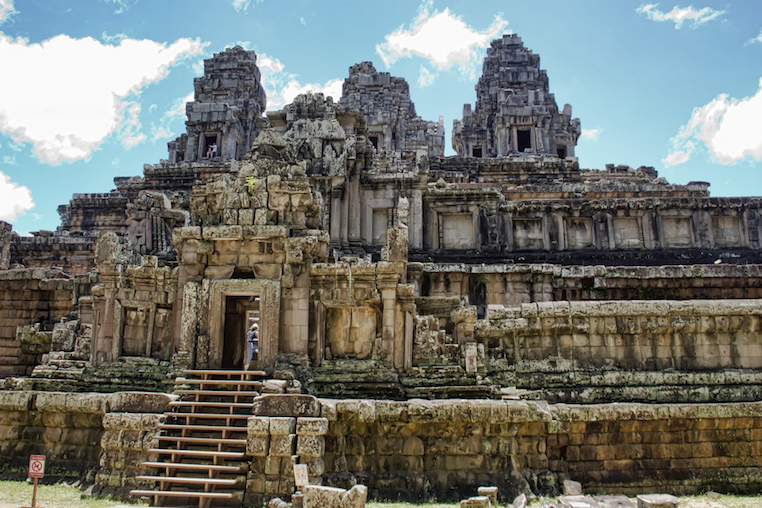

In the heart of Krong Siem Reap, Cambodia, stands the magnificent Angkor Wat, a temple complex that beckons travelers with its grandeur and spiritual significance. This architectural marvel, constructed in the early 12th century during the reign of King Suryavarman II, was originally dedicated to the Hindu god Vishnu. However, as Buddhism became predominant in the region, Angkor Wat gradually transformed into a Buddhist temple, reflecting the cultural and religious shifts over centuries.
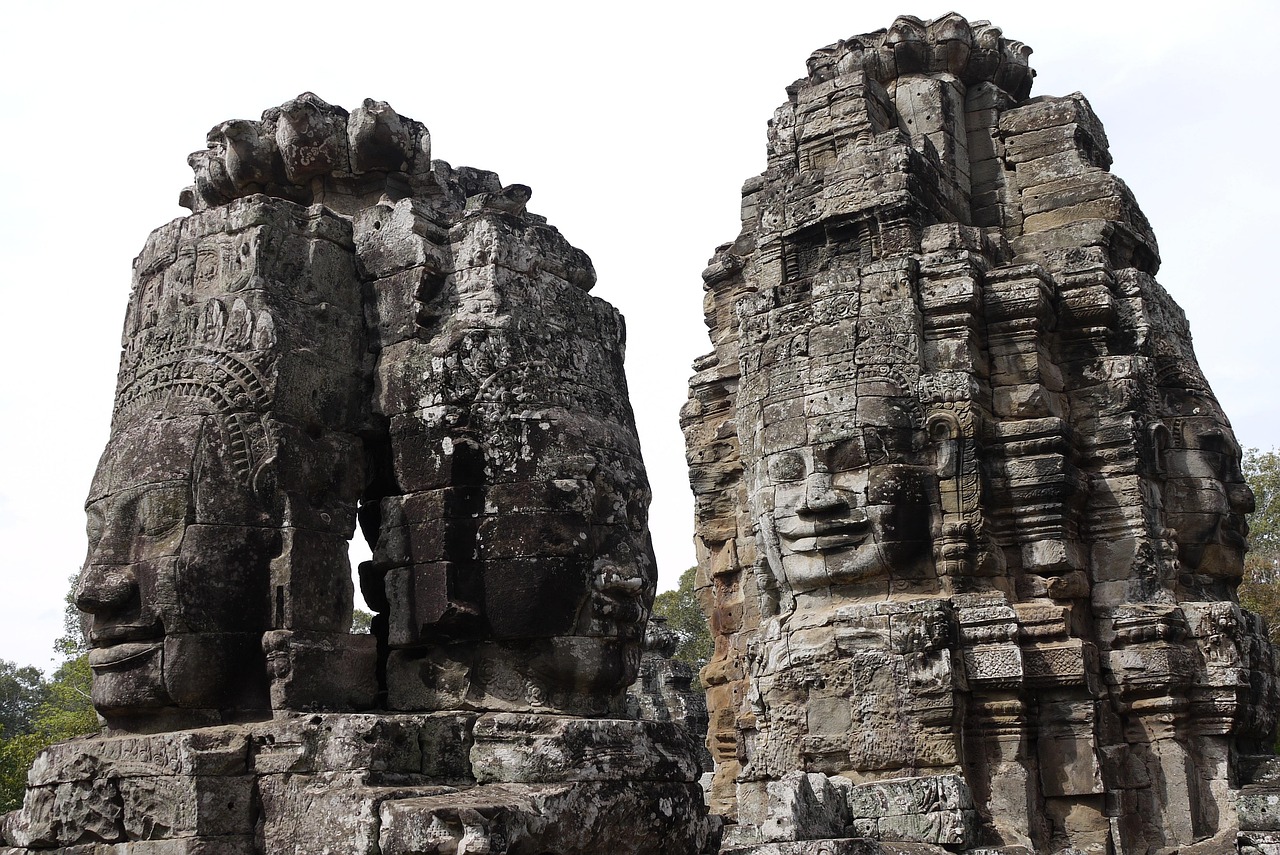
Angkor Wat is not just a temple; it’s a testament to the Khmer Empire, which once dominated much of Southeast Asia. This civilization, known for its advancements in architecture, art, and agriculture, flourished from the 9th to the 15th century. The temple complex, with its vast area of over 162 hectares, is the largest religious monument in the world and is a UNESCO World Heritage site. Its intricate design and construction techniques speak volumes about the ingenuity of the Khmer architects.
The architectural style of Angkor Wat is a prime example of the classical Khmer architecture, characterized by its grand scale, symmetrical layout, and intricate carvings. The temple’s layout symbolizes an earthly model of the universe, with the central tower representing Mount Meru, the center of the universe in Hindu and Buddhist cosmology. Visitors are often mesmerized by the bas-reliefs that adorn the walls, depicting stories from the Ramayana, Mahabharata, and various Puranas. These carvings not only showcase the artistic prowess of the Khmer artisans but also serve as historical narratives that provide insight into the cultural life of the era.
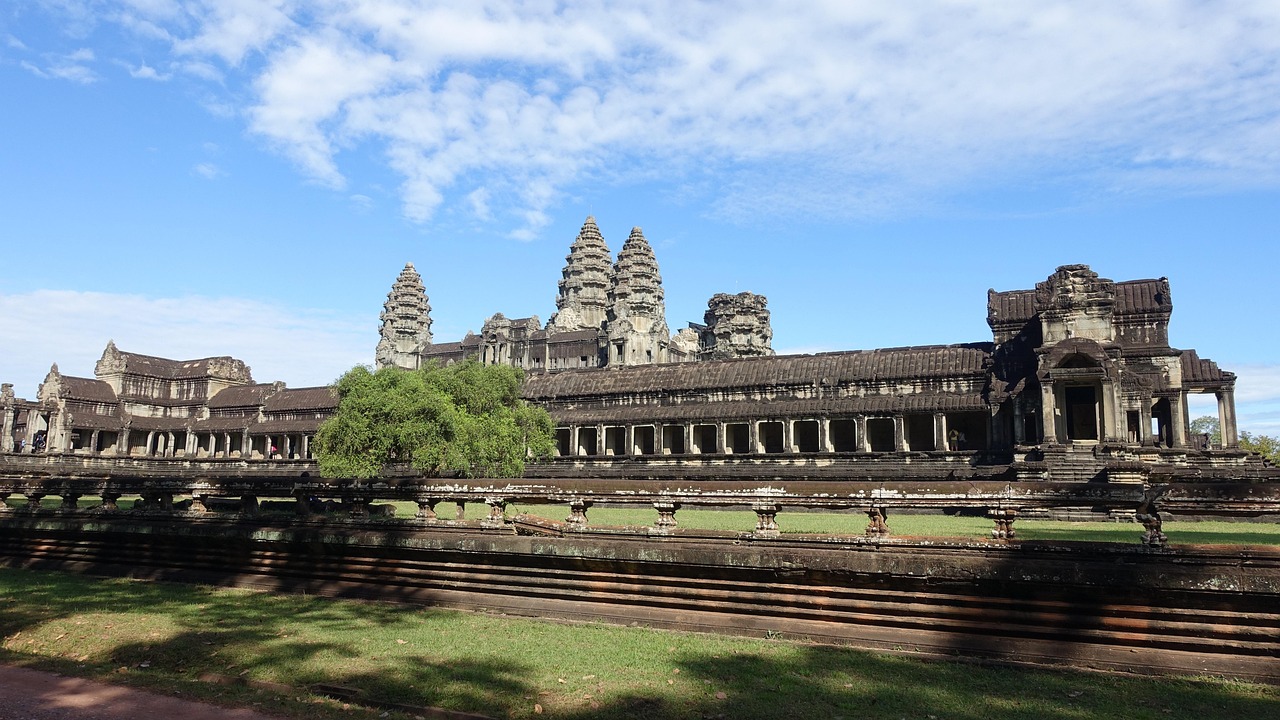
Local culture thrives around Angkor Wat, with Cambodian traditions deeply intertwined with the temple’s history. The annual Angkor Sangkran festival, celebrated in mid-April, marks the Khmer New Year and involves traditional games, dance performances, and religious ceremonies that honor both the temple and the spirits of ancestors. Visitors can often witness local families engaging in rituals, making offerings, and participating in vibrant celebrations, offering a glimpse into the spiritual life of the Cambodian people.
Culinary experiences in Siem Reap are not to be overlooked. Local dishes such as Amok—a fragrant curry made from fish, coconut milk, and spices—are not only popular but are often enjoyed in the shadow of Angkor Wat. Another must-try is Lok Lak, a stir-fried beef dish served with rice and a lime-pepper dip. To quench your thirst, try sugarcane juice or a refreshing glass of coconut water, both of which are widely available in local markets and eateries.
Beyond the well-trodden paths, Angkor Wat and its surroundings are full of lesser-known curiosities. One fascinating fact is that the temple’s construction utilized sandstone transported from a quarry over 50 kilometers away—a feat that demonstrates the colossal effort and resources the Khmer Empire commanded. Additionally, many visitors miss the Churning of the Ocean of Milk bas-relief, which intricately depicts a pivotal Hindu myth involving gods and demons working together to obtain the nectar of immortality.
For those planning a visit to Angkor Wat, the ideal time is during the dry season, from November to February, when temperatures are milder and rainfall is rare. Arriving early in the morning is highly recommended to avoid the crowds and witness the breathtaking sunrise over the temple’s silhouette. When exploring the site, take the time to wander off the main paths; there are numerous smaller temples and ruins that offer a serene atmosphere and unique perspectives.
As you delve into the rich history and vibrant culture surrounding Angkor Wat, consider using the Secret World app for a personalized itinerary that will guide you through the wonders of Krong Siem Reap seamlessly.


