
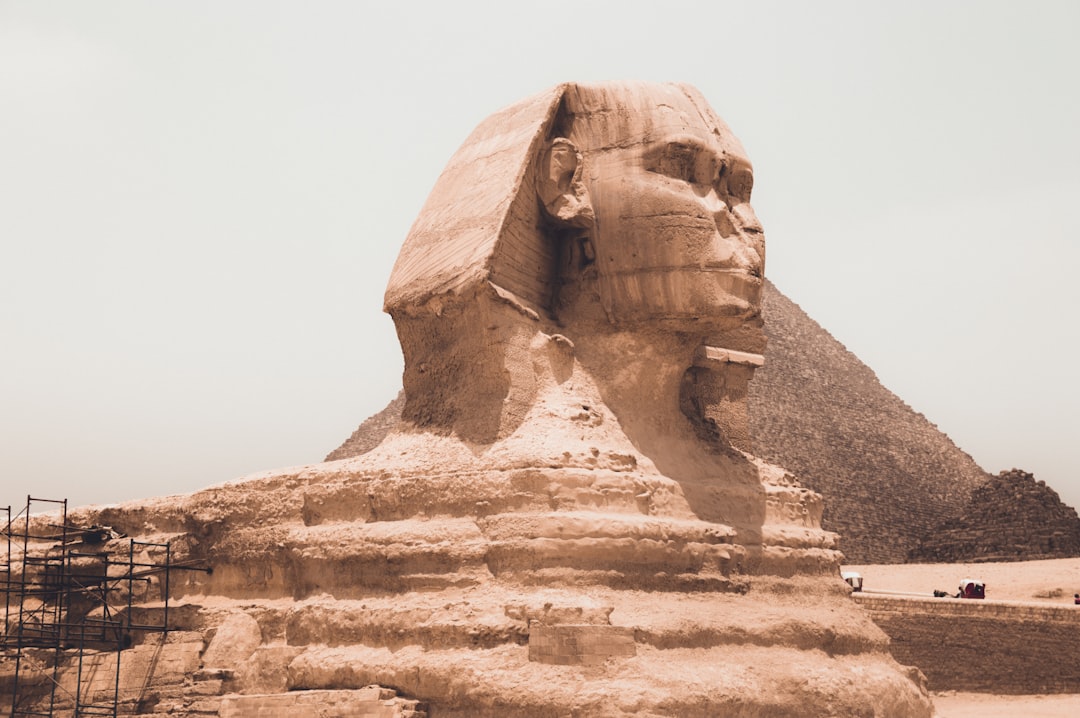

Located in the heart of Egypt, Antaeopolis, known in ancient times as Tjebu, is a place that has its roots in the millennia-old history of one of the world's most fascinating civilizations. This village, situated in the Asyut governorate, is a treasure of archaeology and culture, telling stories of gods, pharaohs, and a complex society that thrived along the banks of the Nile.

With geographical coordinates placing it at 26.95° N and 31.50° E, Antaeopolis is easily accessible and offers a unique experience for history enthusiasts. Its historical significance is evidenced by the remains of ancient temples and funerary complexes, attracting visitors from all over the world eager to immerse themselves in Egyptian culture.
History and Origins
The origins of Antaeopolis date back to the Middle Kingdom, when the location was known as Tjebu, a hub for funerary practices. During this period, monumental funerary complexes were built, representing the pinnacle of non-royal funerary architecture. These archaeological remains, belonging to local officials, tell of a society that placed great importance on the afterlife.
With the advent of the New Kingdom, Antaeopolis continued to prosper, as evidenced by the tomb of the local governor May. The city took on a prominent role during the Ptolemaic period, when a large temple dedicated to the war god Antaeus was erected, from which its Greek name derives. This temple, although destroyed in the 19th century, was an extraordinary example of religious architecture, with columns soaring towards the sky and sacred spaces dedicated to worship.
Elements to Observe
Visiting Antaeopolis, tourists can admire the remains of ancient temples, including one dedicated to Ptolemy IV Philopator, which has been expanded and restored over the centuries. Although much of the original structure has been lost, the size and arrangement of the remaining columns offer a glimpse into the grandeur of this sacred place. The presence of an 18-column pronaos and an impressive 12-column hypostyle testify to the importance of worship in this region.
Furthermore, the surrounding necropolises, with burials from different eras, provide a snapshot of the daily life and spiritual beliefs of the ancient Egyptians. Visitors can explore these sites, immersing themselves in an atmosphere of mystery and charm that only a site so rich in history can convey.
Why It Is Interesting Today
Today, Antaeopolis represents not only an important tourist attraction but also a research center for archaeologists and historians. The ongoing discovery of artifacts and ancient structures provides new insights into life in ancient Egypt and its evolution over the centuries. The city is a perfect example of how history can be understood and appreciated through the lens of its ruins.
In an era where cultural tourism is gaining popularity, Antaeopolis stands out for its authenticity and historical heritage. Visitors can not only explore the remnants of the past but also participate in local initiatives that promote the preservation and enhancement of this extraordinary site. Every corner of Antaeopolis tells a story, making each visit an unforgettable experience.
Practical Information for Visitors
For those wishing to visit Antaeopolis, it is advisable to plan the trip in advance, considering the warm temperatures and the availability of accommodations in the El-Badari area. Public or private transportation can be used to reach the village, which is well connected to the main Egyptian cities. Don't forget to bring water and sunscreen, as the climate can be particularly dry and sunny.
Additionally, it is helpful to inquire about local guides who can provide historical and cultural insights during the visit. These guides are often very knowledgeable and can enrich the exploration experience, making your visit to Antaeopolis even more meaningful. For those wishing to deepen their knowledge further, the Secret World app offers detailed information and tips for every stop of the journey.


