
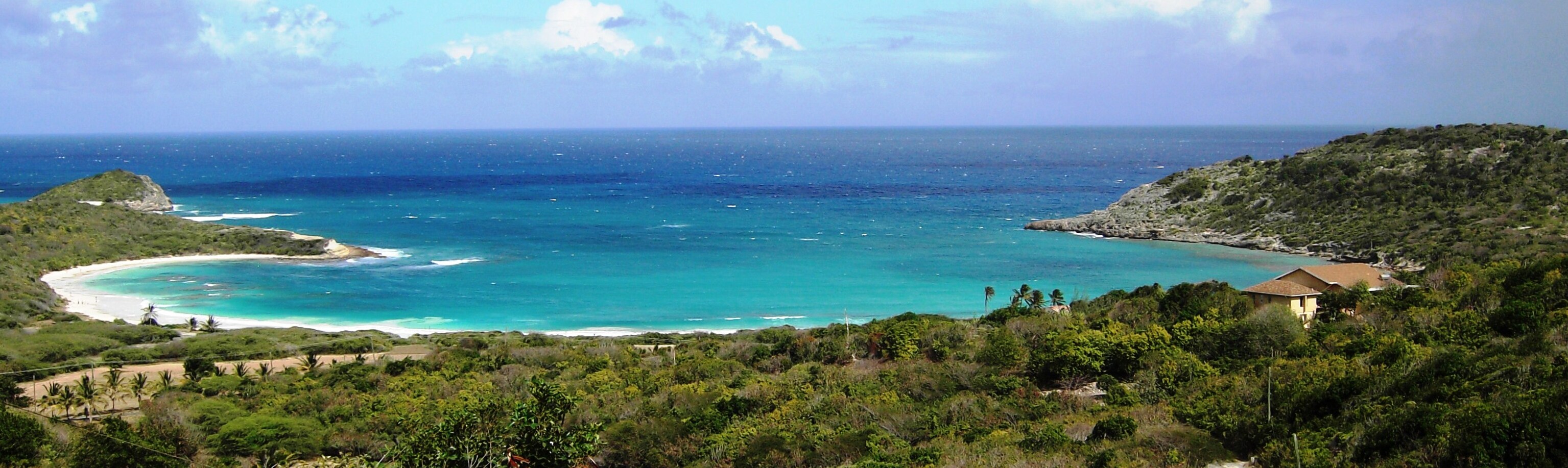

Nestled on the southeastern edge of Antigua, Half Moon Bay is a slice of paradise that has long captured the hearts of travelers seeking tranquility and natural beauty. Known for its crescent-shaped beach, this pristine locale offers more than just scenic splendor; it is a tapestry woven with rich history, vibrant culture, and culinary delights.
The history of Half Moon Bay is deeply intertwined with the island's past. Antigua was inhabited by the Arawak and Carib peoples before European explorers arrived. The island's strategic position attracted the British in the 17th century, who established it as a colony in 1632. Half Moon Bay, with its secluded location, provided a serene refuge from the bustling colonial activities centered around the capital, St. John's. While it may not have been the site of major historical events, the bay has been a silent witness to the island's transformation over centuries.
Architecturally, Half Moon Bay is not about grand edifices but rather the striking simplicity of nature's design. The surrounding area features traditional Caribbean wooden structures, often painted in vibrant hues. These buildings embody the island's artistic flair and reflect a harmonious blend of the natural environment with local craftsmanship. While there are no renowned artworks at Half Moon Bay, the sheer beauty of the landscape itself is a masterpiece, inspiring countless photographers and painters.
Culturally, Antigua is a melting pot, and Half Moon Bay is no exception. The island celebrates several festivals, with Carnival being the most prominent. Although the festivities primarily take place in St. John's, the spirit of Carnival reverberates across the island, including in Half Moon Bay, where smaller gatherings echo the lively music and dance. The locals, known for their warmth and hospitality, often share their traditions with visitors, offering a glimpse into the heart and soul of Antigua.
A visit to Half Moon Bay would be incomplete without indulging in the island's culinary offerings. Antiguan cuisine is a flavorful fusion of African, Caribbean, and European influences. One must-try dish is ducana, a sweet potato dumpling often served with saltfish. Accompanying this is the refreshing Antiguan black pineapple, considered one of the sweetest pineapples in the world. Pair these with a glass of rum punch, and you have a taste of the island's vibrant gastronomy.
Beyond the obvious allure of the beach, Half Moon Bay holds lesser-known treasures. For instance, the bay's reef, which shelters the beach, is a haven for marine life, offering excellent snorkeling opportunities. On calmer days, snorkelers can explore the underwater world, discovering colorful corals and schools of tropical fish. A short trek from the beach leads to hidden vantage points offering panoramic views of the coast, perfect for those seeking solitude and contemplation.
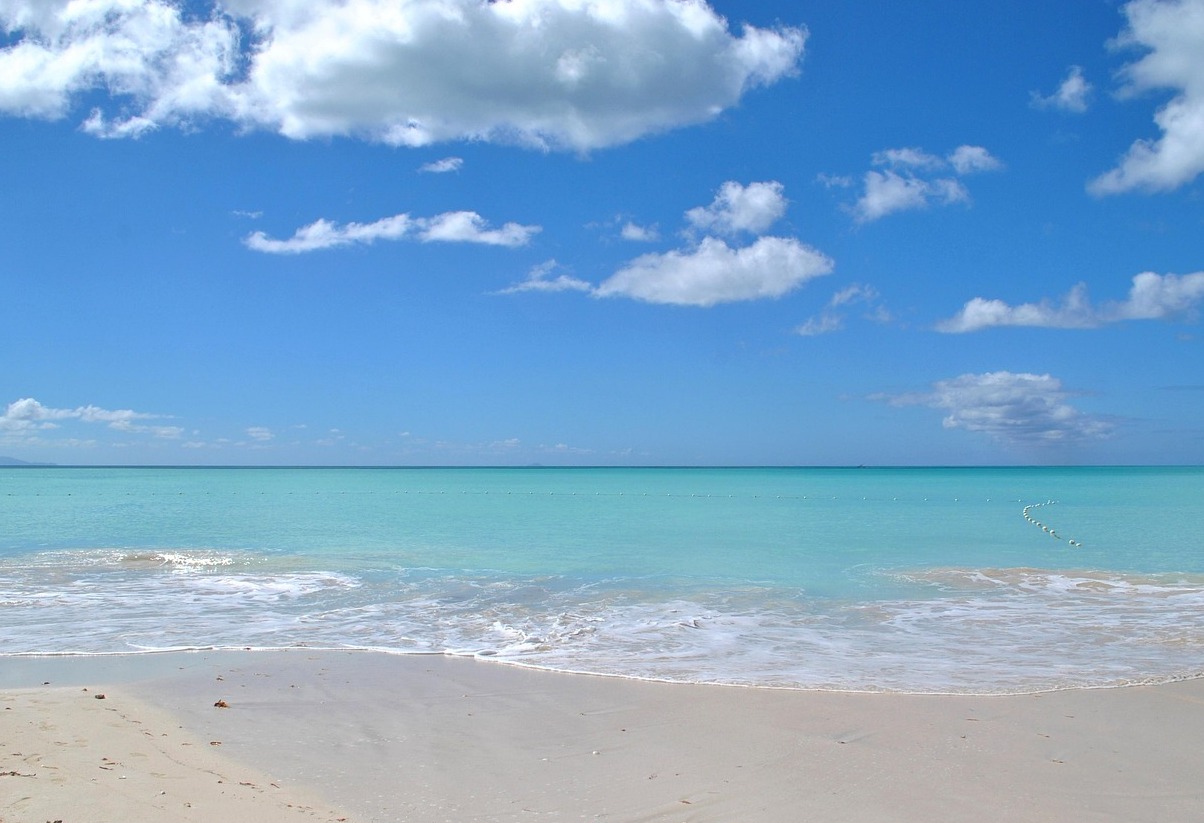
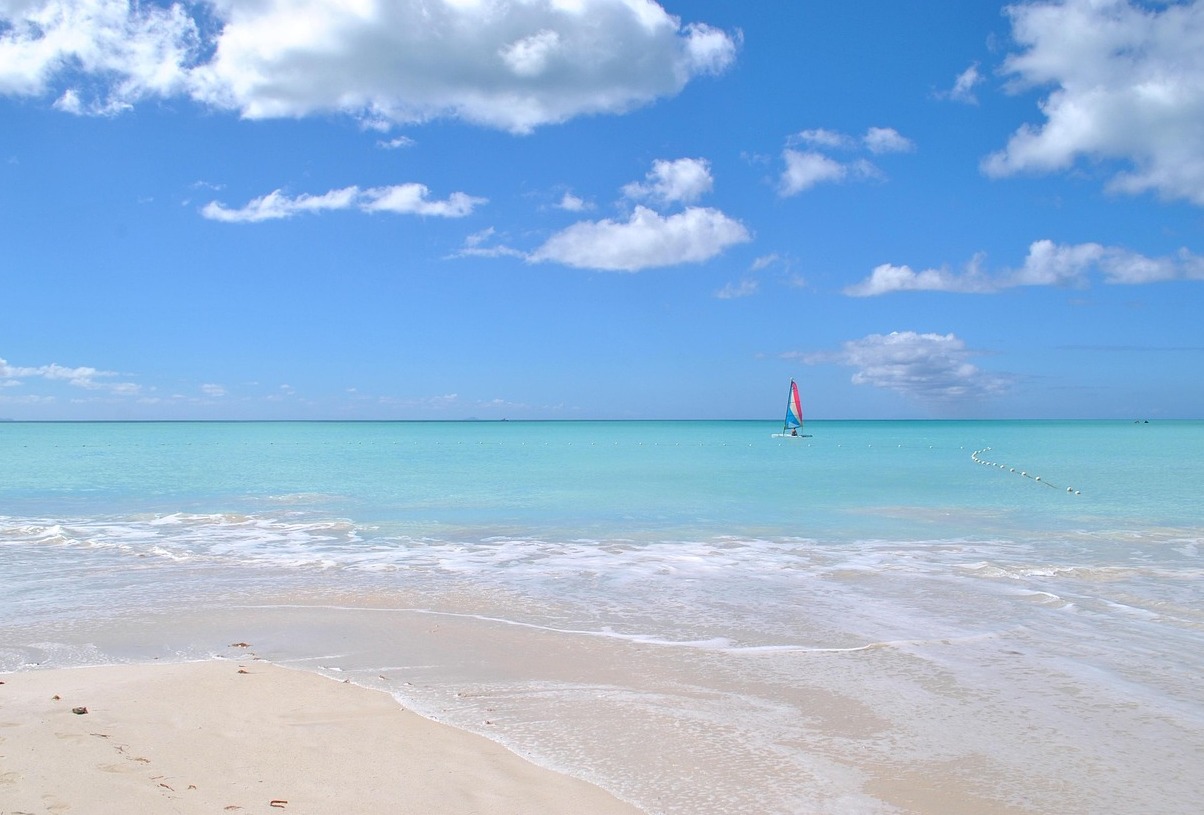
For practical tips, the best time to visit Half Moon Bay is during the dry season, from December to April, when the weather is most favorable. Visitors should be mindful of the sea conditions; while the water is usually calm and inviting, it can become rough when the trade winds blow. Bringing snorkeling gear is advisable for those eager to explore beneath the waves. Additionally, visitors should carry cash, as card facilities can be limited in remote areas.
In summary, Half Moon Bay is more than just a beach; it is a microcosm of Antigua's rich historical tapestry, artistic simplicity, and cultural vibrancy. Whether you are there to relax on its pristine sands, savor local flavors, or delve into the island's past, this enchanting destination promises an experience that lingers long after the journey ends.


