



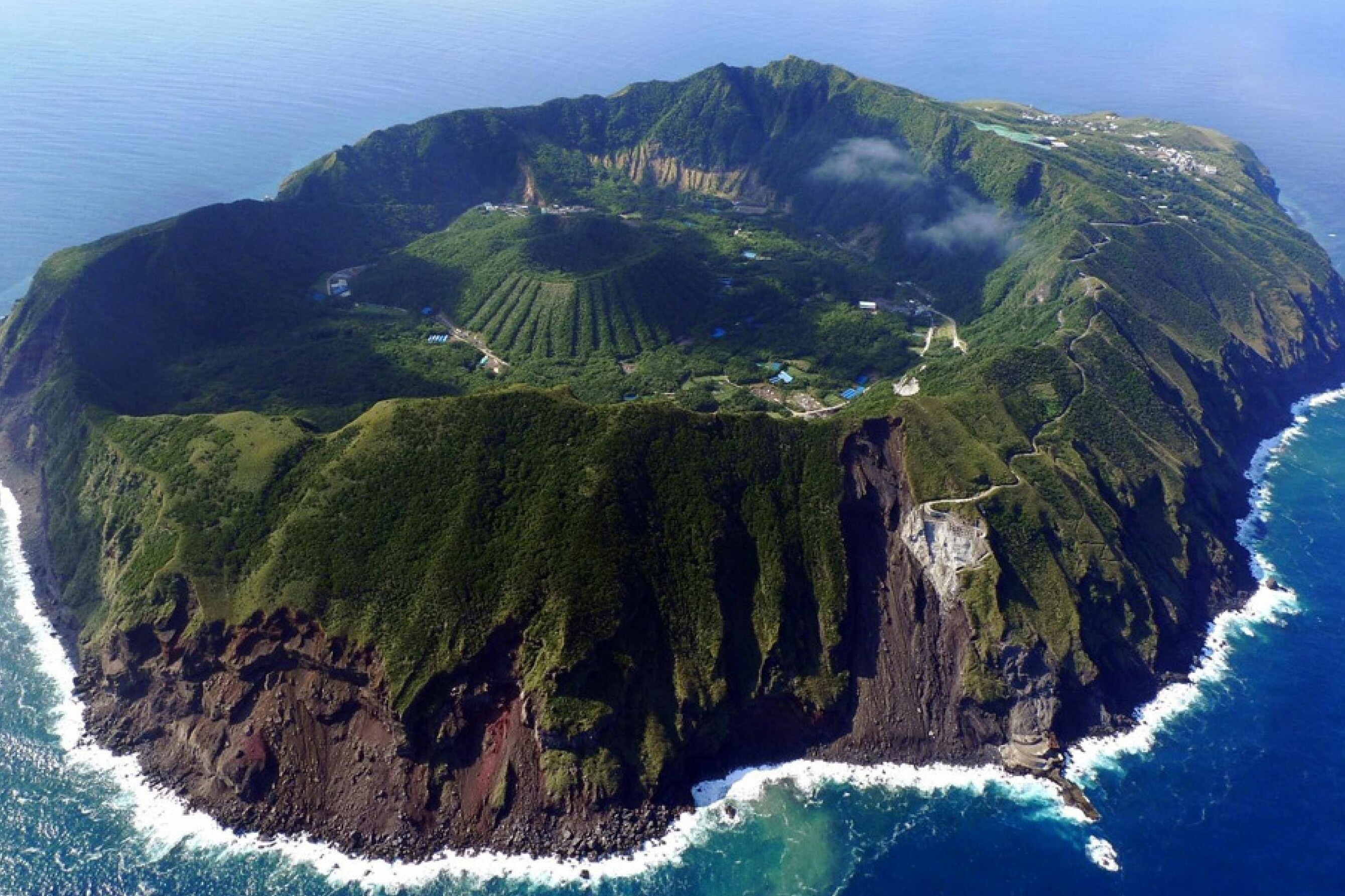
Aogashima is a place where the world feels both vast and intimate, a volcanic island rising dramatically from the azure depths of the Pacific Ocean. Located in the Philippine Sea within the Tokyo Metropolis, this remote enclave is a natural marvel defined by its striking geology and a profound sense of seclusion. With coordinates 32.4664592, 139.7633115 marking its position, Aogashima is less a destination and more a journey into Japan's enigmatic embrace.
The island's history is as tumultuous as its volcanic origins. Aogashima is part of the Izu Archipelago, believed to have been formed by volcanic activity millions of years ago. Its name first appeared in historical documents during the Edo period. Yet, it is the catastrophic eruption of 1785 that looms large in the island’s collective memory. This event forced the entire population to evacuate, leaving Aogashima uninhabited for nearly 50 years. The islanders returned in the 1830s, driven by a resilient spirit that still characterizes the 170-odd residents today. This return marked the rebirth of a community deeply intertwined with the island’s natural rhythms.
The art and architecture of Aogashima reflect its unique geographical setting and cultural heritage. The island's structures are modest, often crafted from local resources, embodying a minimalist aesthetic that harmonizes with the volcanic landscape. While Aogashima may not boast grand architectural feats, its true artistry lies in the seamless blend of human habitation with rugged nature. Here, traditional Japanese homes, or minka, with their wooden frames and thatched roofs, stand as understated testaments to the islanders' enduring connection to their land.
Aogashima’s local culture and traditions are steeped in a profound respect for nature and community. The islanders celebrate several festivals throughout the year, with the most notable being the Aogashima Shrine Festival. Held annually, this event is a vibrant display of local customs, featuring traditional music, dance, and rituals that honor the Shinto deities believed to protect the island. The festival is a rare opportunity for visitors to witness the deep spiritual ties that bind the island’s inhabitants to their home.
In terms of gastronomy, Aogashima offers a taste of the sea and the land. The island's cuisine is heavily influenced by what is locally available. Fresh fish and seaweed are staples, often prepared with a simplicity that highlights their natural flavors. Aogashima is also renowned for its shochu, a traditional Japanese distilled spirit. The island's unique brand, Aochu, is made using a distinctive geothermal distillation process, imparting a character that is as unique as the island itself.
For those seeking lesser-known curiosities, Aogashima offers a handful of hidden gems. The island's most striking feature is its double caldera, with the smaller caldera nestled inside the larger one, creating a natural amphitheater that is a rare geological phenomenon. The geothermal steam vents dotting the landscape are a testament to the island's volcanic past—and present. Locals use these vents to cook, demonstrating an ingenious way of harnessing the earth’s energy. Another curiosity is the island's lack of a natural harbor, which makes docking an adventure in itself, often dependent on the whims of the ocean.
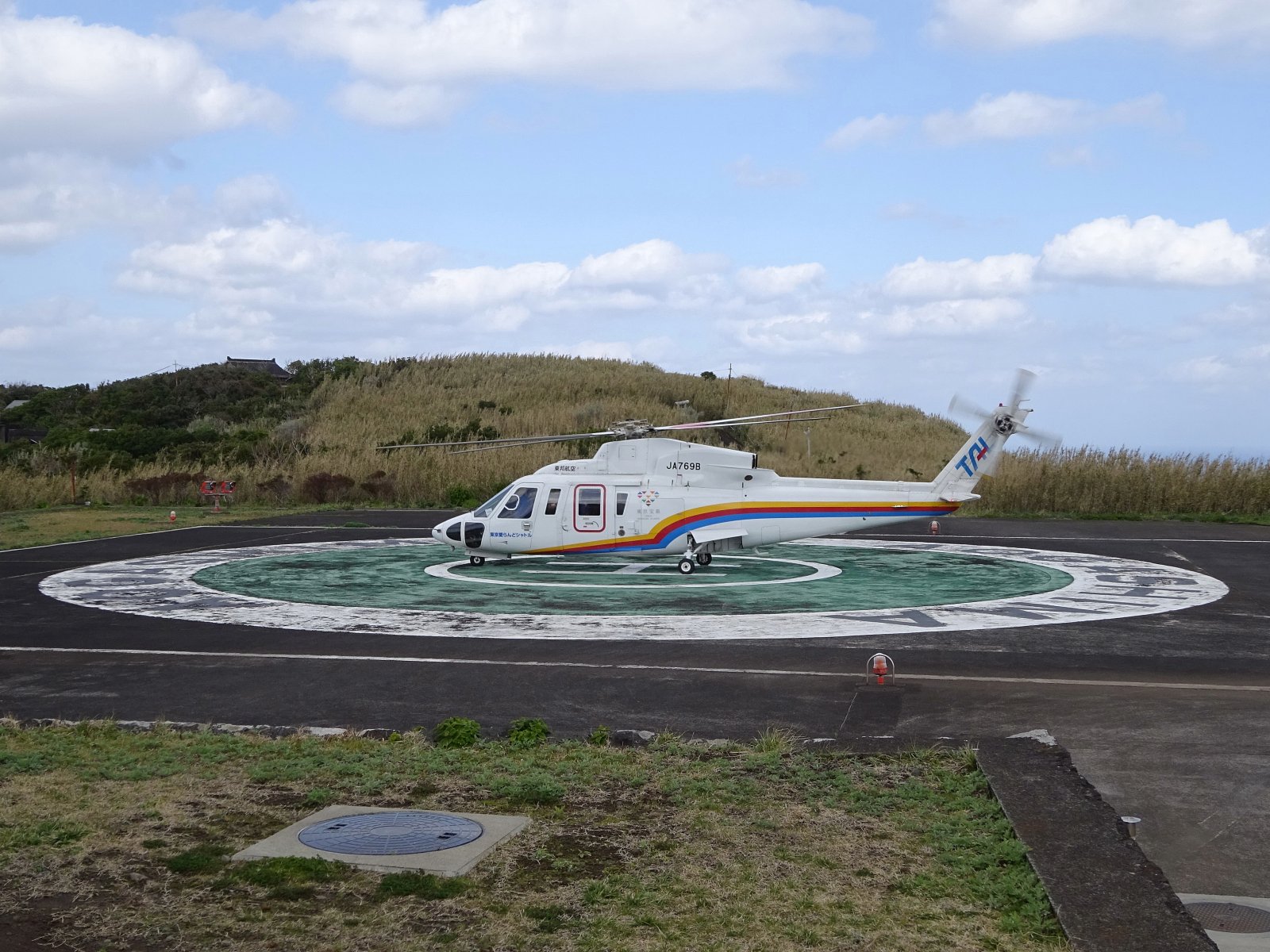
For practical visitor information, the best time to visit Aogashima is during the late spring or early autumn when the weather is mild and the island is most verdant. Accessing Aogashima is part of the adventure; travelers must first fly from Tokyo to Hachijojima and then take a helicopter or ferry to the island, though the ferry service is notoriously subject to weather conditions. Once there, nature enthusiasts will find hiking trails that offer breathtaking views of the calderas and the surrounding sea. It’s wise to pack light, bring cash (as there are no ATMs), and prepare for limited connectivity—a digital detox that enhances the island’s allure.
Aogashima is not merely a destination but an experience—one that immerses you in a world where nature’s awe-inspiring power and the indomitable spirit of its people coexist in quiet harmony. It is a place where every winding path and whispering breeze tell a tale of resilience and beauty, inviting the adventurous traveler to step into its captivating embrace.
