


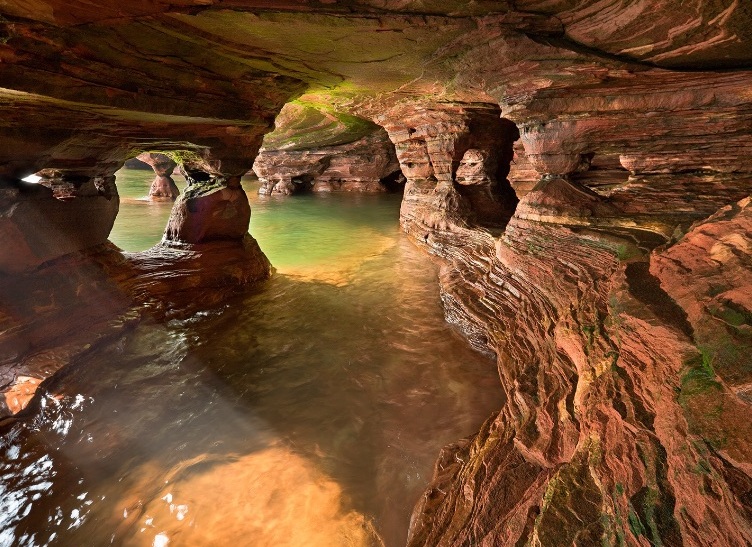
Nestled in the pristine waters of Lake Superior, the Apostle Islands are a breathtaking archipelago off the northern tip of Wisconsin, USA. A visit here is akin to stepping into a world sculpted by time and nature, where 60-foot high sandstone cliffs rise dramatically from the water, their beauty a testament to the power of natural forces over millennia.

The history of the Apostle Islands is as complex as the intricate sea caves carved into its shores. These islands have been home to Native American tribes for thousands of years, with the Ojibwe people considering them sacred. The islands were named by early French missionaries, who, upon discovering them in the 17th century, believed there were twelve islands, like the apostles of Jesus. This was a miscalculation, as there are actually 22 islands in the group.
In the 19th century, the islands became centers of industry, with logging and quarrying operations leaving their mark. The sandstone cliffs, now a major attraction, were once quarried extensively, contributing to notable buildings across the Midwest. The remnants of old quarries and logging camps can still be found, whispering tales of a bygone era.
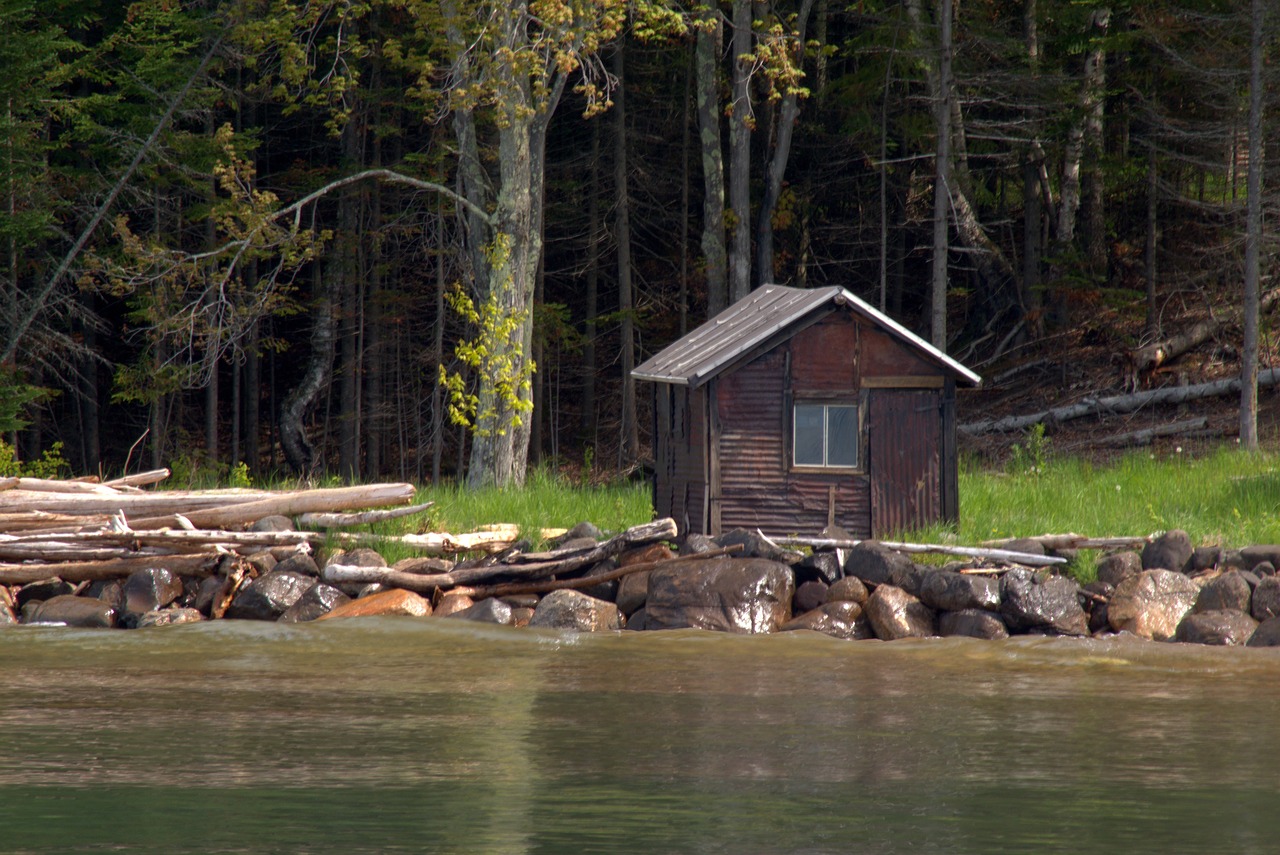
Architecturally, the Apostle Islands are celebrated for their historic lighthouses, some of the oldest in the United States. The Raspberry Island Light, with its Victorian charm, and the Devil’s Island Light, known for its distinctive red-brick construction, are not only navigational aids but also enchanting relics of maritime history. These structures stand as monuments to the sailors who braved the treacherous waters of Lake Superior.
Culturally, the Apostle Islands are a tapestry of traditions and stories that reflect the spirit of the Lake Superior region. The annual Bayfield Apple Festival, held in nearby Bayfield, celebrates the region’s agricultural heritage and is a testament to the local community's resilience and creativity. Visitors can immerse themselves in a vibrant display of music, crafts, and, of course, apples, all set against the backdrop of the island-studded lake.
The culinary scene around the Apostle Islands is a delightful journey into the flavors of the Great Lakes. Whitefish livers, a local delicacy, are often sautéed and served fresh from the lake. Wild rice, an ingredient deeply rooted in Native American cuisine, features prominently in many dishes. For those with a sweet tooth, the locally made cranberry chutneys and maple syrups are must-try treats, offering a taste of the region's rich natural bounty.
Beyond the well-trodden paths lie the lesser-known curiosities of the Apostle Islands. The sea caves of the Mawikwe Bay are a geological wonder, where during winter, the water freezes into stunning ice formations, creating an ethereal landscape that feels almost otherworldly. Few know that these islands are also home to a unique population of black bears, particularly on Stockton Island, where they swim between islands, a rare behavior for these land mammals.
For those planning a visit, the Apostle Islands are best explored during the summer months, from June to September, when the weather is mild, and the waters are calm. Kayaking is the preferred way to navigate the islands, offering an intimate view of the cliffs and caves. The park services offer guided tours that provide insights into the area's history and ecology.
When visiting, it's crucial to respect the natural and cultural heritage of the islands. Always adhere to leave-no-trace principles to preserve the beauty and sanctity of this unique landscape. Whether you’re a history buff, a nature lover, or simply in search of tranquility, the Apostle Islands offer an unforgettable experience, where every wave and whisper of the wind tells a story of time, change, and enduring beauty.
