



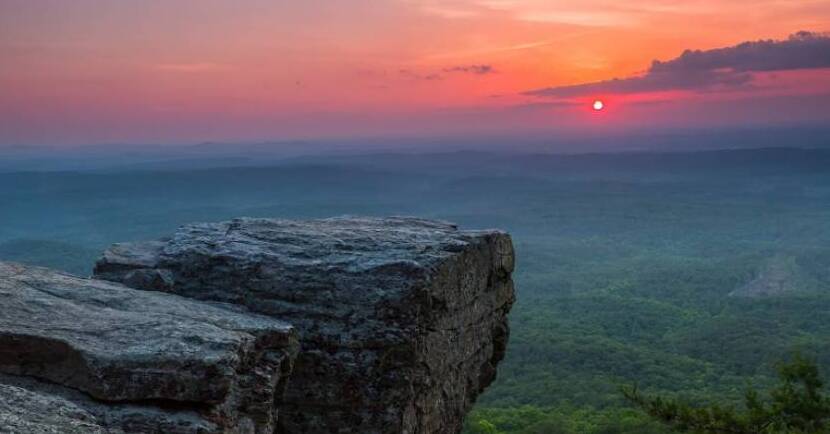
Perched atop Cheaha Mountain, the highest natural point in Alabama, lies a realm of natural splendor and historical intrigue. At 2,407 feet above sea level, this peak offers more than just breathtaking vistas; it is a gateway to the past, where the whispers of ancient civilizations mingle with the rich tapestry of Appalachian culture.
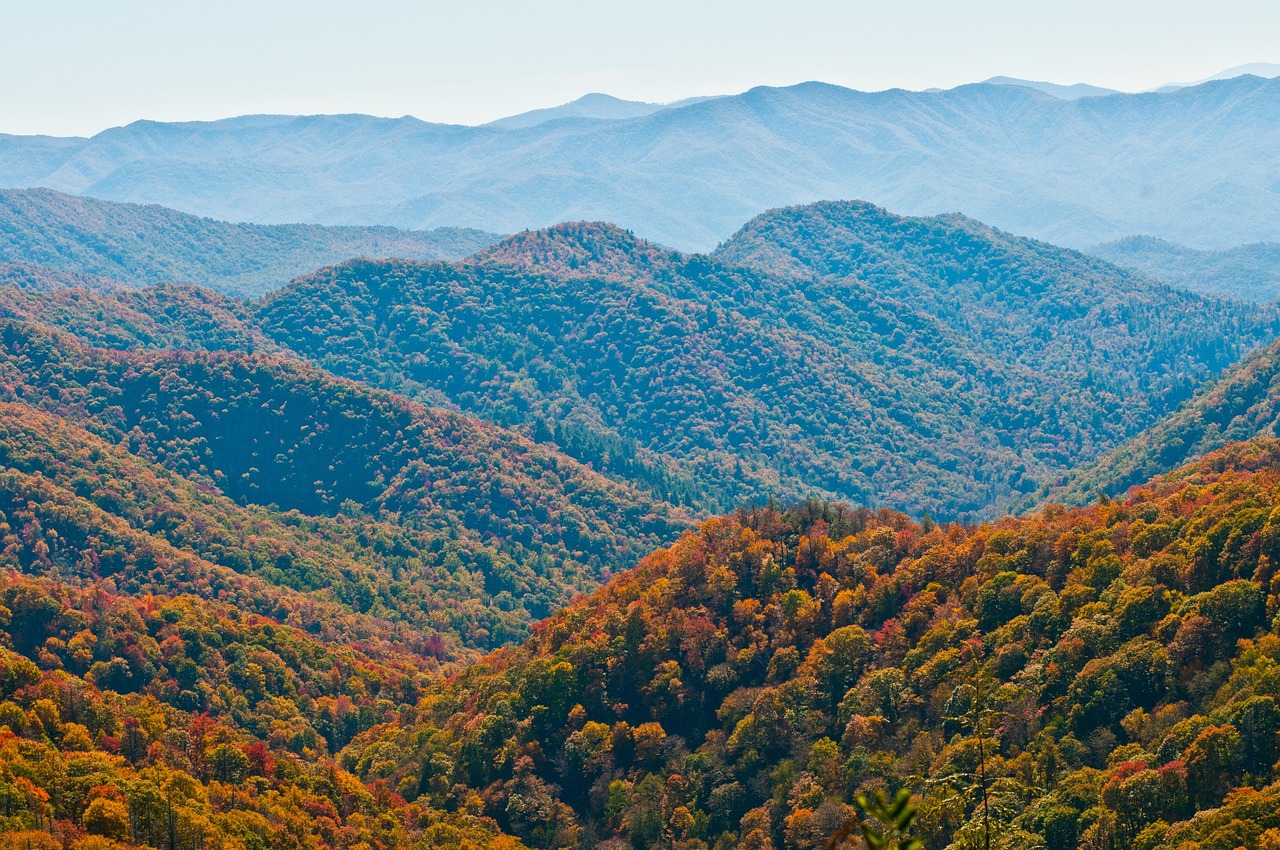
The roots of Cheaha Mountain stretch back into the depths of time, part of the venerable Appalachian Mountains, one of the oldest mountain ranges in the world. The name "Cheaha" is derived from the Creek Indian word "Chaha," meaning "high place," a testament to the mountain's significance to the indigenous peoples. The area has long been revered by Native American tribes, with the Creek and Cherokee nations inhabiting the region before European settlers. This mountain served as a natural fortress and a spiritual beacon—a place both formidable and sacred.
In the early 20th century, the mountain's allure caught the attention of the state, leading to the establishment of Cheaha State Park in 1933. This was part of a broader initiative by the Civilian Conservation Corps (CCC), a New Deal program aimed at providing jobs during the Great Depression. The CCC's legacy endures in the stone structures they built, including the iconic stone tower at Cheaha's summit. This tower, a blend of rustic functionality and enduring charm, houses an observation deck that offers panoramic views of the surrounding wilderness—a testament to the CCC's craftsmanship and vision.
Artistic expression finds its home on Cheaha Mountain as well. The park's architecture, characterized by its use of native stone and timber, harmonizes with the natural landscape, reflecting the Parkitecture style popular in the 1930s. The lodge and cabins bear witness to a blend of rugged construction and natural beauty, embodying an artistic ethos that honors the mountains themselves. Throughout the park, murals and sculptures celebrate the region's cultural and natural heritage, offering visitors a chance to connect with the artistic soul of the Appalachians.
Cultural traditions are woven into the very fabric of life around Cheaha. The annual Cheaha Challenge, a grueling cycling event, draws participants from across the country, eager to test their mettle against the mountain's formidable slopes. Local music festivals celebrate the rich musical heritage of the Appalachians, where bluegrass and folk music echo through the valleys, telling stories of hardship, resilience, and joy. The region is also known for its vibrant storytelling traditions, with tales of the Talladega National Forest and its mysteries often shared around campfires.
Gastronomy in the region is a delightful exploration of Southern flavors. Visitors can savor traditional Appalachian dishes like cornbread, fried catfish, and collard greens. Local eateries often feature pecan pie and sweet tea, offering a taste of Southern hospitality. For those with adventurous palates, wild game and locally foraged mushrooms provide a unique culinary experience, deeply rooted in the mountain's natural bounty.
For those seeking lesser-known curiosities, Cheaha Mountain harbors secrets that elude the casual tourist. The Pulpit Rock Trail offers a short but rewarding hike to a stunning overlook, often missed by those rushing to the summit. Legend speaks of hidden caves and ancient petroglyphs, remnants of the mountain's storied past. The region's diverse flora and fauna include rare species of plants and birds, a living testament to the mountain's ecological significance.
Practical information is key for potential visitors. The best time to visit Cheaha Mountain is in the spring or fall when the weather is mild, and the foliage is at its most vibrant. Summer, though warmer, offers opportunities for hiking and camping, while winter provides a serene, if chilly, escape. Visitors should come prepared for rapidly changing weather conditions and bring plenty of water and snacks, especially if planning to hike the more challenging trails.
As you stand atop Cheaha Mountain, the panorama unfolds—a vast canvas of rolling hills, dense forests, and distant ridges. It's a place where history, nature, and culture converge, inviting every traveler to pause, reflect, and reconnect with the timeless beauty of the Appalachians.
