
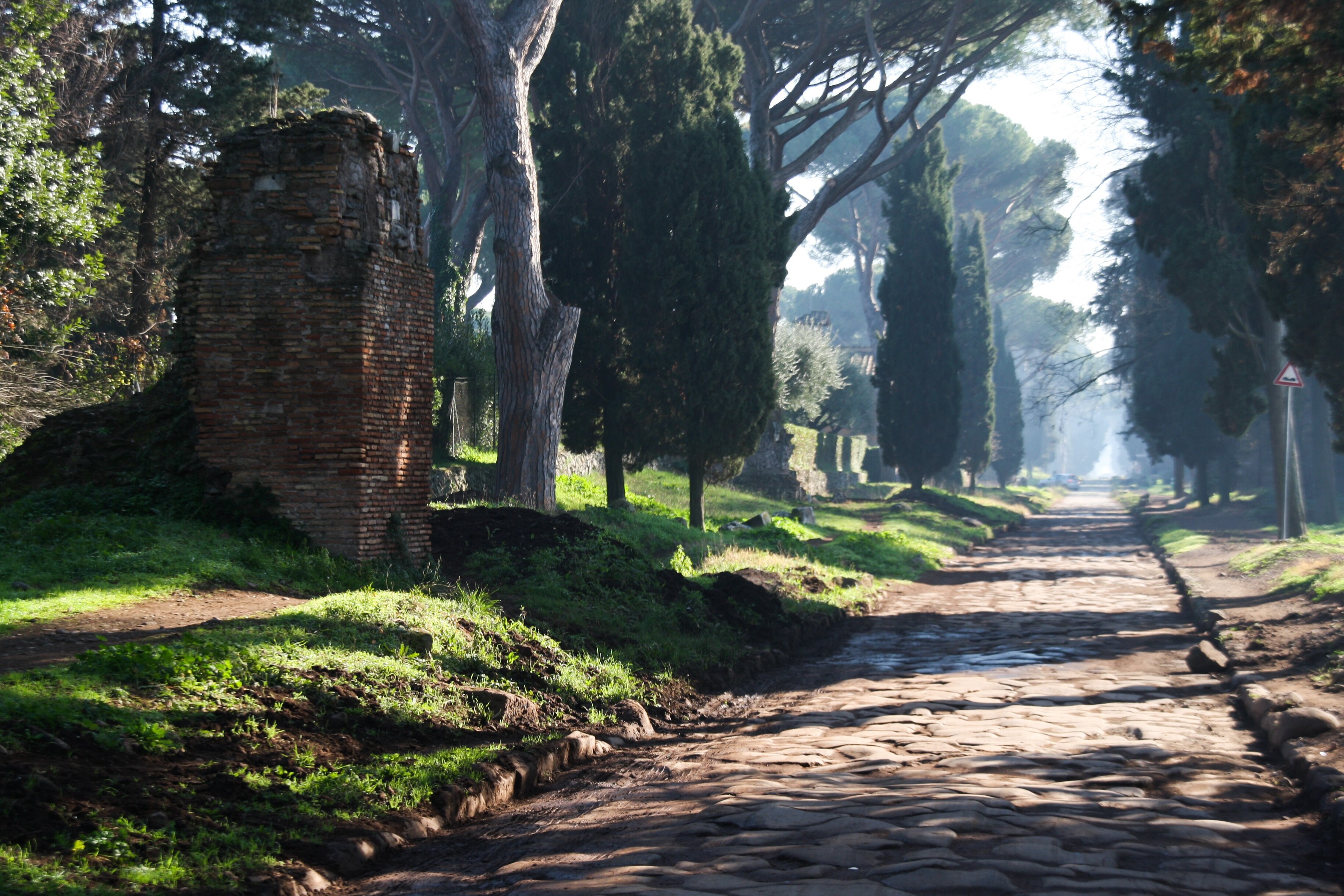

Nestled in the heart of Rome, Appia Antica Regional Park offers a journey through time along the ancient Via Appia, a testament to Roman ingenuity and spirit. Constructed in 312 BC under the direction of Appius Claudius Caecus, the road became a vital artery connecting Rome to the southern regions of Italy, particularly Capua. This monumental thoroughfare, originally designed for military movement, soon facilitated trade and cultural exchange, shaping the very fabric of Roman life.
As you wander along the ancient cobblestones, you’re not just walking a road; you’re traversing history. The Via Appia was the first to be paved, and its construction marked a turning point in Roman engineering, showcasing the empire’s capacity for building infrastructure that would last millennia. The route is flanked by an extraordinary array of funerary monuments, mausoleums, and villas, reflecting the burial customs of the Romans who sought to honor their deceased outside the city’s walls.
Architecturally, Appia Antica is a marvel. Among its notable structures, the Tomb of Cecilia Metella, dating back to the 1st century BC, stands as an imposing cylindrical mausoleum that once belonged to the daughter of a wealthy Roman. The tomb is an emblem of the grandeur associated with Roman funerary architecture, adorned with intricate reliefs and surrounded by a fortress-like wall that speaks to its historical significance.
As you explore, you’ll encounter the Catacombs of San Callisto and San Sebastiano, expansive underground burial sites that house the remains of early Christians. These catacombs, adorned with early Christian art and inscriptions, provide a glimpse into the spiritual life of the Romans, showcasing how art and faith intertwined in this ancient society.
The local culture around Appia Antica is rich with traditions and customs that reflect the region’s historical significance. The Appia Antica Festival, held annually, celebrates the park’s heritage through music, theater, and guided walks, bringing together locals and tourists alike. It’s an opportunity to immerse yourself in the cultural tapestry of this area, where past and present harmoniously blend.
Italian gastronomy is also deeply intertwined with the region’s history. While exploring, don’t miss the chance to sample porchetta, a savory, herb-infused roast pork, often served in a sandwich and enjoyed by locals on the go. Pair your meal with a glass of Frascati wine, produced in the nearby hills, which has been a staple in Roman dining for centuries. These culinary delights are not just meals; they’re a continuation of the traditions that have sustained this region through the ages.
For those seeking lesser-known curiosities, consider visiting the Villa dei Quintili, a sprawling estate that belonged to the wealthy Quintilius brothers in the 2nd century AD. This hidden gem offers a glimpse into the luxury of Roman life, with stunning ruins set amidst lush landscapes. Additionally, the Appia Antica area is home to various ancient ruins, including aqueducts and temples, often overlooked by tourists but rich in history and beauty.
The best time to visit Appia Antica Regional Park is during the spring and early autumn when the weather is mild, and the flora is in full bloom. Plan your visit early in the day to avoid crowds and take advantage of the soft morning light for photography. Be sure to wear comfortable shoes, as the cobbled paths can be uneven, and bring along some water to stay hydrated.
As you navigate this ancient landscape, keep an eye out for the tranquil moments that define the park. The serene atmosphere, punctuated by the sounds of nature, provides a welcome respite from the bustling city.
For a truly personalized experience, consider using the Secret World app to craft your own itinerary as you explore the wonders of Roma.


