



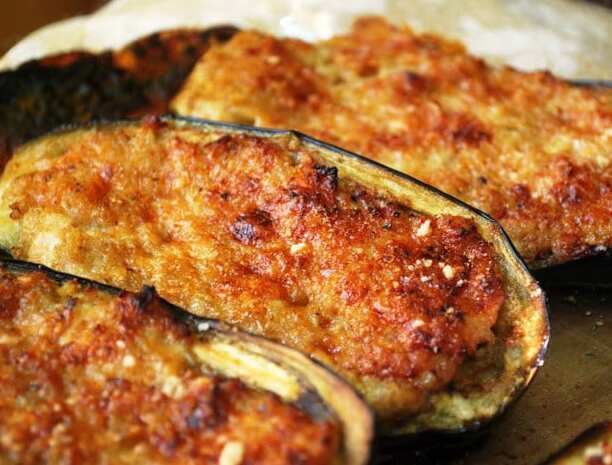
In the sun-drenched region of Puglia, nestled in the heel of Italy's boot, the culinary tradition is as rich and varied as its stunning landscapes. Among the myriad of delights, Apulian stuffed eggplants stand out as a beloved dish that encapsulates the essence of this region's gastronomy. This unique dish, known locally as "melanzane ripiene," has a storied past that reflects the cultural tapestry of Puglia itself.
The eggplant, or melanzana, was introduced to Italy by the Arabs between the 9th and 11th centuries, during their rule over Sicily. Over time, it became a staple in southern Italian kitchens. In Puglia, the tradition of stuffing these glossy, purple vegetables evolved as a creative response to economic hardship, utilizing readily available ingredients like stale bread, cheese, and vegetables, or more indulgent fillings such as minced meat or pasta when resources allowed. This dish is a testament to the Pugliese spirit of making the most of what nature provides, a hallmark of the region's cucina povera heritage.
As you explore Puglia, the influence of its history can be seen not only on the plate but also in its architecture and art. The region is dotted with trulli, the iconic stone huts with conical roofs, most famously found in Alberobello, a UNESCO World Heritage site. These structures, dating back to the 14th century, were initially built to evade taxation by being easy to dismantle. Meanwhile, in cities like Lecce, known as the "Florence of the South," the elaborate Baroque architecture enchants visitors with its ornate churches and palaces, a legacy of the Spanish rule in the 17th century. The intricate stone carvings on these edifices reflect the artistic prowess and religious fervor of the time.
Local culture in Puglia is a vibrant blend of ancient traditions and modern celebrations. Festivals such as the Festa di San Nicola in Bari, held every May, draw thousands to pay homage to the city's patron saint with parades, music, and fireworks. Throughout the year, towns across Puglia celebrate their own unique festivals, each with distinct customs and histories, from the lively music and dance of the Taranta Festival to the solemn processions of Holy Week.
Puglian gastronomy is a feast for the senses, with Orecchiette, a small ear-shaped pasta often served with turnip tops, reigning as a regional favorite. The region's fertile land produces some of Italy's finest olive oil and wine, particularly robust reds from Primitivo grapes and refreshing whites from Verdeca. The coastal proximity ensures that seafood, such as octopus and sea urchins, features prominently in local dishes, often prepared simply to let the natural flavors shine.
For those seeking hidden gems, Puglia offers a wealth of surprises. Few visitors know of the Grotte di Castellana, a vast network of underground caves with spectacular stalactites and stalagmites. The Polignano a Mare, with its dramatic cliffs and hidden beaches, is perfect for those who wish to escape the crowds. History enthusiasts will appreciate the Castel del Monte, a mysterious octagonal castle built by Emperor Frederick II in the 13th century, whose purpose remains a subject of debate among historians.
When planning a visit to Puglia, the best time is spring or early autumn, when the weather is mild, and the tourist crowds are thinner. This allows for leisurely exploration of the region's olive groves and vineyards, or a stroll through the charming streets of towns like Ostuni or Martina Franca. Be sure to sample local delicacies at sagra, or food festivals, where you can taste a variety of traditional dishes, including the ubiquitous stuffed eggplants.
In every bite of Apulian stuffed eggplants, there is a taste of history, culture, and the warmth of the Pugliese people. This dish, simple yet profound, is a culinary mirror of a region that is rich in tradition and character, offering travelers not just a meal, but a story on every plate.
