
🎄 Win a month in Italy for two — €10,000 · The Secret Italy Prize GO →
Archaeological Museum of the Upper Sele Valley — Oliveto Citra
← Back
Art, Theaters and Museums 📍 Oliveto Citra, Italy 221 views

Archaeological Museum of the Upper Sele Valley

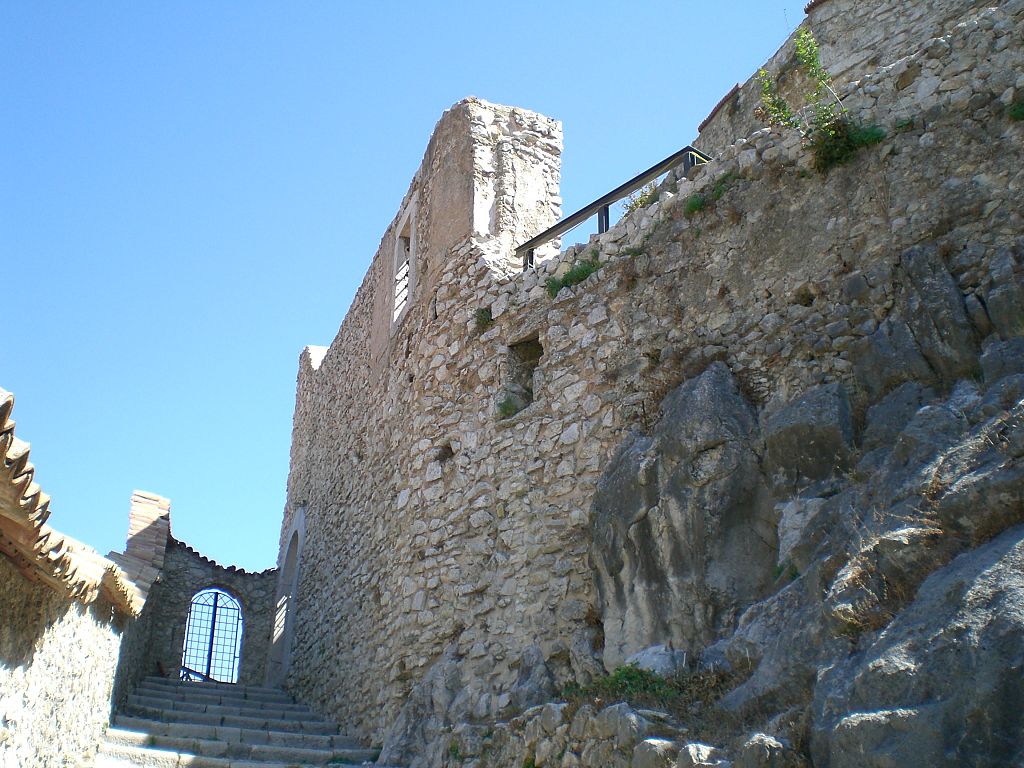
The Museum, inaugurated in 2004, is located in the Baronial Castle of the village of Oliveto Citra. It hosts a first nucleus of finds deriving from the documentation of the excavation campaigns of 1928-29 which yielded 65 burials, covering a wide chronological span, from the 8th-...

Photo · Valentina B.

Archaeological Museum of the Upper Sele Valley — Oliveto Citra, Italy.

Location
Oliveto Citra
Type
Art, Theaters and Museums
Opening hours
Weather now
↗ Directions

About Archaeological Museum of the Upper Sele Valley

Archaeological Museum of the Upper Sele Valley - Oliveto Citra | Secret World Trip Planner

The Museum, inaugurated in 2004, is located in the Baronial Castle of the village of Oliveto Citra. It hosts a first nucleus of finds deriving from the documentation of the excavation campaigns of 1928-29 which yielded 65 burials, covering a wide chronological span, from the 8th-7th century to the 4th-3rd century BC. expression of the culture of “Oliveto-Cairano’’ that in the’sphere of the "culture of the pit tombs’’ represents a unicum for the strong conservatism and the’exuberance of the’female ornamentation. The female grave goods in fact show a singular richness with elements absolutely characteristic, overloaded in all their parts of ornaments, as evidenced by the numerous objects that appear in the trousseaus with particular abundance; exposed, with the reconstruction of a female ornamental costume inside the Museum (demonstrating the solemn and sacred image of the woman of Oliveto Citra as an example characterizing this culture). The grave goods of the fourth century BC of Oliveto are similar to those of other centers of Samnite Campania, a sign that this site also participated in the phenomenon of “Sannitization of Campania”, which occurred during the second half of the fifth century BC. For the IV-early III century B.C. the necropolis has given back vases with black paint and "a red figure" and obviously geometrically decorated pottery; an interesting indication of the Sannitization of the territory are the bronze belts, a peculiar element of the Sanniti costume. \(MIBAC)

✦ Secret World · suggested day

A perfect day in Oliveto Citra

Start with Archaeological Museum of the Upper Sele Valley, then continue with nearby places selected by Secret World.

  1. 01
    Morning
    Archaeological Museum of the Upper Sele Valley
    📍 Oliveto Citra
    Start here
  2. 02
    Afternoon
    📍 0 km away
  3. 03
    Evening
    📍 0.7 km away

Collect this place

Turn places you discover into stamps in your Secret Passport.

Open Secret Passport →

Keep exploring · Oliveto Citra

Frequently Asked Questions

The museum was inaugurated in 2004 and is housed in the Baronial Castle of Oliveto Citra, a charming village in the Upper Sele Valley region. This historic castle setting provides an atmospheric backdrop for exploring the ancient artifacts on display.
The Oliveto-Cairano culture, dating from the 8th-7th to 4th-3rd century BC, represents a unique expression within the broader pit tomb culture, particularly distinguished by its exceptional female ornamentation and conservatism. The culture is remarkable for the extraordinary richness and elaborate nature of female grave goods, which showcase ornaments and decorative elements that were central to the identity of women in this ancient society.
The museum features a reconstruction of a female ornamental costume that demonstrates the solemn and sacred image of women from Oliveto Citra, displaying the abundant and characteristic ornamental objects found in female burial trousseaus. This exhibition reveals the singular richness and artistic exuberance of female adornment that defined this ancient culture.
Fourth-century BC artifacts from the Oliveto necropolis, including black-painted vases, red-figure pottery, and characteristic Sannite bronze belts, demonstrate the region's participation in the 'Sannitization of Campania' during the second half of the fifth century BC. These items show how the local culture gradually integrated with broader Samnite customs and artistic traditions.
The excavation campaigns of 1928-29 uncovered 65 burials spanning a wide chronological period from the 8th-7th century to the 4th-3rd century BC. These burials form the core collection of the museum and provide invaluable insights into the burial practices, social structure, and daily life of this ancient culture.

Experiences nearby · Oliveto Citra

Powered by Viator

See more on Viator.com

Secret World @php $__al = $lang ?? app()->getLocale(); @endphp @if($__al === 'ko')숨겨진 명소, 진짜 이야기 — 여행을 계획하세요 @elseif($__al === 'ja')隠れた名所とリアルな物語 — 旅を計画しよう @elseHidden places, real stories — plan your trip@endif
@if($__al === 'ko')무료 앱 시작하기@elseif($__al === 'ja')無料アプリを入手@else Get the app @endif
