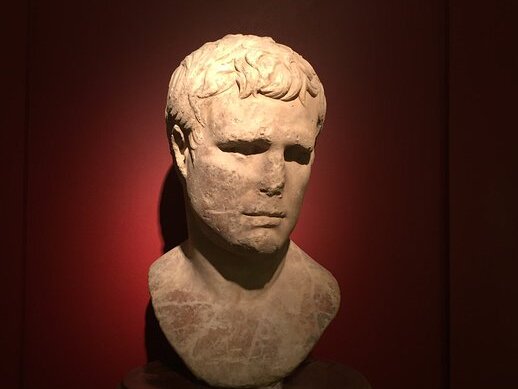

Nestled in the heart of Vibo Valentia, the Archaeological Museum Vito Capialbi is a treasure trove of ancient history, showcasing the remarkable legacy of the Calabria region. The museum, housed within the Castello Normanno, offers visitors a glimpse into the past, particularly from the Hellenistic and Roman periods, with a rich collection that tells the story of civilizations long gone.
### History and Origins The origins of the Archaeological Museum Vito Capialbi date back to the early 19th century when it was established in 1841 by Vito Capialbi, a local scholar and archaeologist passionate about preserving the region’s history. The museum's location within the Norman Castle, a fortress built in the 11th century, adds to its historical significance. The castle itself has witnessed various transformations, serving as a stronghold for different ruling powers, including the Normans, Swabians, and Aragonese.
Throughout the centuries, Vibo Valentia has been a crucial settlement due to its strategic position along trade routes, resulting in a melting pot of cultures. The museum's collections include significant finds from the ancient Locri site and the nearby Roman necropolis, shedding light on the area's vibrant past and its connections to the wider Mediterranean world.
### Art and Architecture The architectural style of the Archaeological Museum is a harmonious blend of historical elements, with the Norman Castle providing a dramatic backdrop. Visitors are greeted by robust stone walls and winding staircases that echo the whispers of history. Inside, the museum is organized into four sections, each dedicated to unique artifacts that reflect the region's archaeological richness.
Among the standout pieces is the Bust of Agrippa, a striking marble sculpture believed to represent Marcus Vipsanius Agrippa, a close friend and general of Augustus. This artwork not only serves as a testament to Roman artistic skill but also highlights the political significance of Agrippa in the establishment of the Roman Empire. The museum also boasts an impressive collection of coins, including the Capialbi Coin-Maker, featuring exquisite Locrian gold coins and Brettie silver coins dating back to the end of the 3rd century B.C.
### Local Culture and Traditions Vibo Valentia is not just a treasure trove of history; it is also a vibrant hub of local culture. The region celebrates various festivals throughout the year, often steeped in religious significance. One such event is the Feast of Santa Maria del Soccorso, held in September, where locals gather for processions, traditional music, and culinary delights.
The cultural significance of the area is evident in its traditional crafts, particularly ceramics and weaving, which have been passed down through generations. These crafts are often showcased in local markets, allowing visitors to take home a piece of Calabrian heritage.
### Gastronomy No visit to Vibo Valentia is complete without indulging in the local gastronomy. The region is renowned for its 'nduja, a spicy spreadable salami that embodies the bold flavors of Southern Italy. Pair it with Caciocavallo, a semi-hard cheese, or enjoy a plate of spaghetti alla Puttanesca, a local pasta dish rich in flavors from olives, capers, and tomatoes.
Washing down these delights with a glass of Greco di Bianco, a sweet white wine produced in the area, offers a true taste of Calabria. The culinary scene here is a reflection of the region's agricultural bounty, with fresh produce and seafood playing a central role in daily meals.
### Lesser-Known Curiosities While the main exhibits of the Archaeological Museum Vito Capialbi are well-known, some lesser-known facts add to its allure. For instance, the museum houses a sword dating back to the 13th century B.C., discovered in a Roman necropolis, which exemplifies the skill of ancient craftsmen. Additionally, the museum's collection includes artifacts that demonstrate the area’s connections with the ancient Greek world, showcasing Vibo Valentia as a pivotal location in historical trade and cultural exchange.
Moreover, the Norman Castle is said to be haunted, with local legends recounting tales of ghostly apparitions. This adds a layer of intrigue for those who appreciate the mystical elements of history.
### Practical Visitor Information The best time to visit the Archaeological Museum Vito Capialbi is during the spring (April to June) and early autumn (September to October) when the weather is pleasant and the crowds are manageable. To make the most of your visit, consider joining a guided tour that delves deeper into the museum's treasures and the history of Vibo Valentia.
Be sure to allocate time to explore the surrounding area, including the stunning views from the castle grounds. Don’t forget your camera, as the picturesque landscapes of Calabria provide a stunning backdrop to the historical sites.
In conclusion, the Archaeological Museum Vito Capialbi is a gateway into the rich tapestry of Vibo Valentia's past. It offers not just a glimpse of ancient civilizations but also a taste of contemporary Calabrian culture. For a personalized itinerary that enhances your experience in this enchanting region, consider using the Secret World app.
