



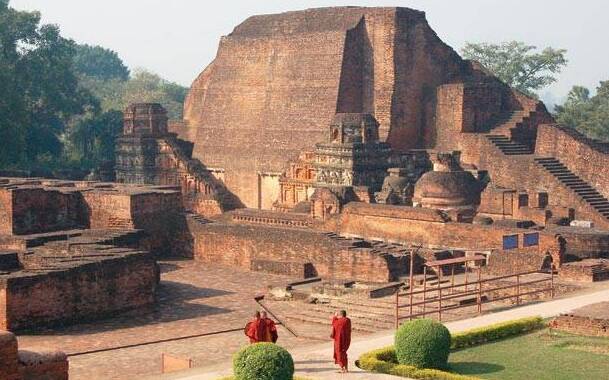
In the heart of Bihar, India, lies the Archaeological Site of Nalanda Mahavihara, a UNESCO World Heritage Site that speaks volumes about the ancient pursuit of knowledge. Established in the 3rd century BCE, this site was not merely an educational institution but a thriving monastic community that attracted scholars from across Asia. It is considered one of the earliest residential universities in the world, with a rich tapestry of history that spans over 800 years.
### History and Origins The origins of Nalanda Mahavihara can be traced back to the reign of the Mauryan Emperor Ashoka, who is often credited with promoting Buddhism and supporting educational initiatives across his empire. Although formal records are sparse, it is widely accepted that Nalanda was established by Kumaragupta I in the 5th century CE. Under the patronage of various dynasties, including the Guptas and later the Pala Empire, Nalanda flourished as a center for Buddhist learning and scholarship.
From its inception, the university attracted a multitude of students and scholars, including the famed Xuanzang, a Chinese monk who traveled to Nalanda in the 7th century to study and later documented his experiences. His accounts provide invaluable insights into the academic environment and the cultural exchanges that took place at this remarkable institution.
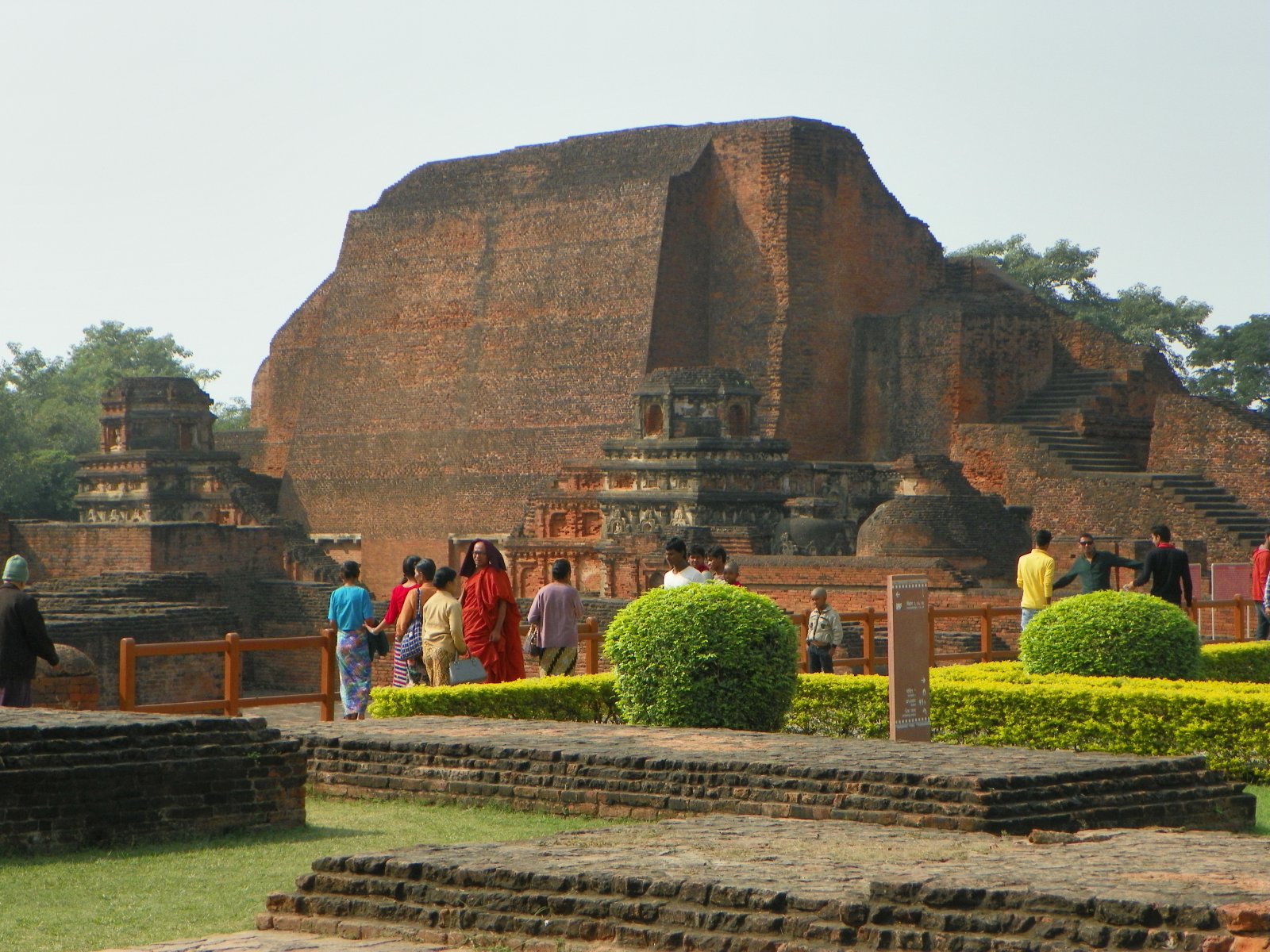
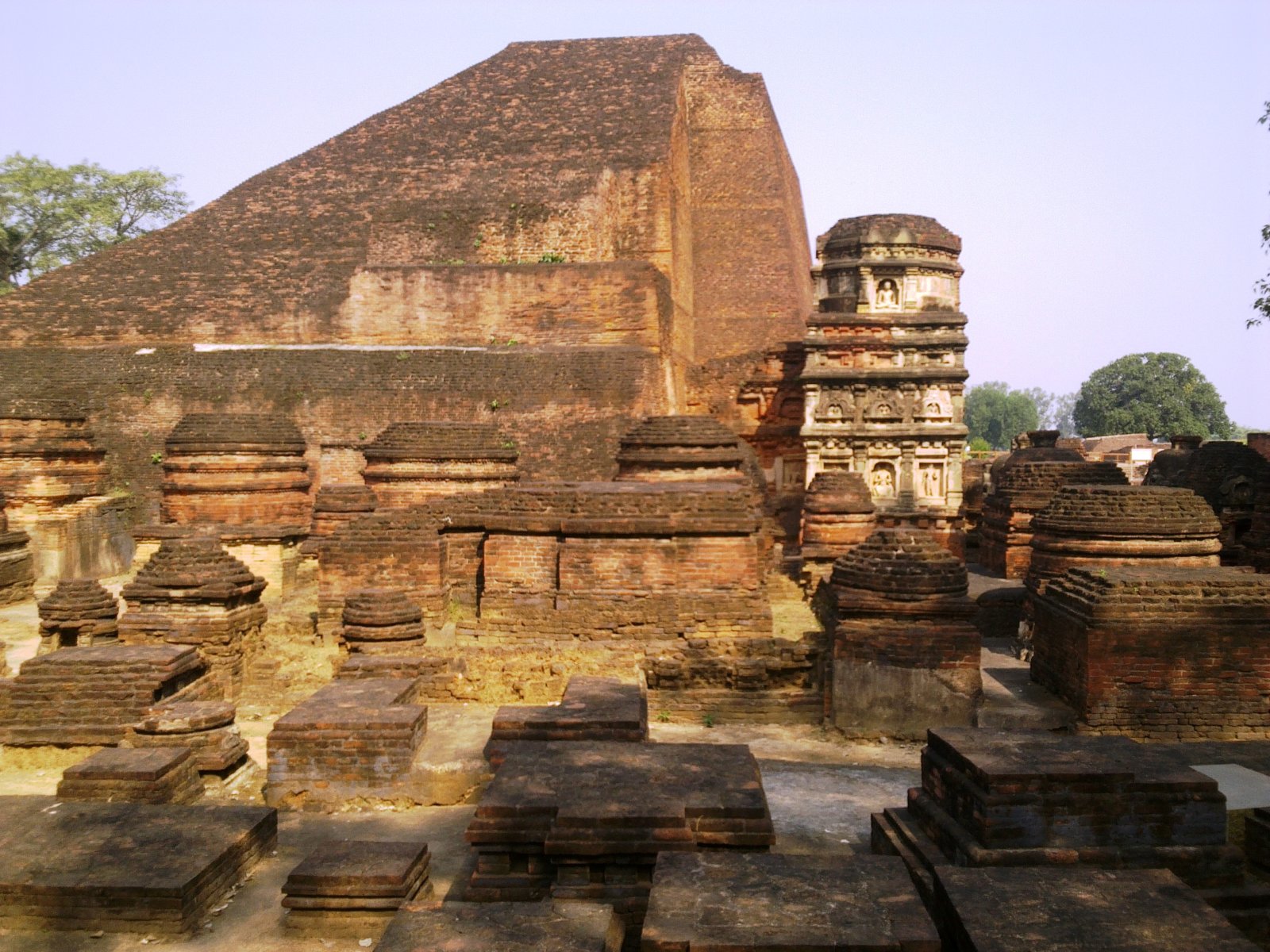
### Art and Architecture The architectural grandeur of Nalanda Mahavihara is a testament to the skills of ancient Indian artisans. The site showcases a vast array of viharas (monasteries), stupas, and shrines, all constructed using red-brick and terracotta. The architectural style is characterized by intricate carvings and elaborate motifs that reflect the Buddhist iconography of the time.
Notably, the Kundalakeshvara Vihara features exquisite stucco work, while the Hiuen Tsang Memorial Hall pays homage to the famous monk with its stunning murals. The stone sculptures found here, depicting various Buddhist deities, are significant for their artistic finesse and cultural relevance, offering a glimpse into the spiritual life of ancient India.
### Local Culture and Traditions Today, the area surrounding Nalanda is steeped in rich cultural traditions. The local population predominantly practices Buddhism and Hinduism, leading to a unique blend of customs and festivals. One of the most significant events is the Buddha Purnima, celebrated with processions and prayers at various monasteries and temples.
Local artisans continue to thrive, creating handicrafts that reflect the heritage of Nalanda. Visitors can witness traditional dances and music during festive occasions, which are integral to the community's identity. The Nalanda Archaeological Museum, located nearby, houses artifacts that narrate the story of this ancient seat of learning and its cultural significance.
### Gastronomy A visit to Nalanda is incomplete without savoring local cuisine. The region is known for its hearty dishes like Litti Chokha, a traditional Bihari meal consisting of baked wheat balls served with mashed spiced vegetables. Sattu, made from roasted chickpea flour, is another staple, often consumed in various forms, including drinkable preparations mixed with water, lemon, and spices. To satisfy your sweet tooth, try Thekua, a traditional sweet made from wheat flour and jaggery, ideal for tasting the region's culinary heritage.
### Lesser-Known Curiosities While many tourists flock to the more prominent structures, there are hidden gems at Nalanda that deserve attention. For instance, the Saraswati Mandir (Temple of Goddess Saraswati) is often overlooked; it is a serene spot that reflects the spiritual essence of knowledge and learning. Additionally, the remnants of ancient libraries suggest that Nalanda housed an extensive collection of texts, including works on medicine and astronomy, showcasing the university's far-reaching academic influence.
The site is also believed to have been home to over 10,000 students and 2,000 teachers at its peak, making it a bustling hub of intellectual activity that influenced the educational landscape of Asia.
### Practical Visitor Information The best time to visit the Archaeological Site of Nalanda Mahavihara is between October and March, when the weather is pleasant. Make sure to wear comfortable shoes as you'll be exploring expansive ruins that require ample walking. Don’t miss the opportunity to engage with local guides, who can share fascinating stories and insights about the site.
As you wander through the remnants of this ancient university, look for the Buddhist stupas and the distinct architectural features of the viharas, each narrating tales of a glorious past. Consider visiting the nearby Nalanda University, which has been revived as a modern academic institution, bridging ancient wisdom with contemporary scholarship.
Before you go, download the Secret World app for a personalized AI itinerary to enhance your exploration of Nalanda.
