
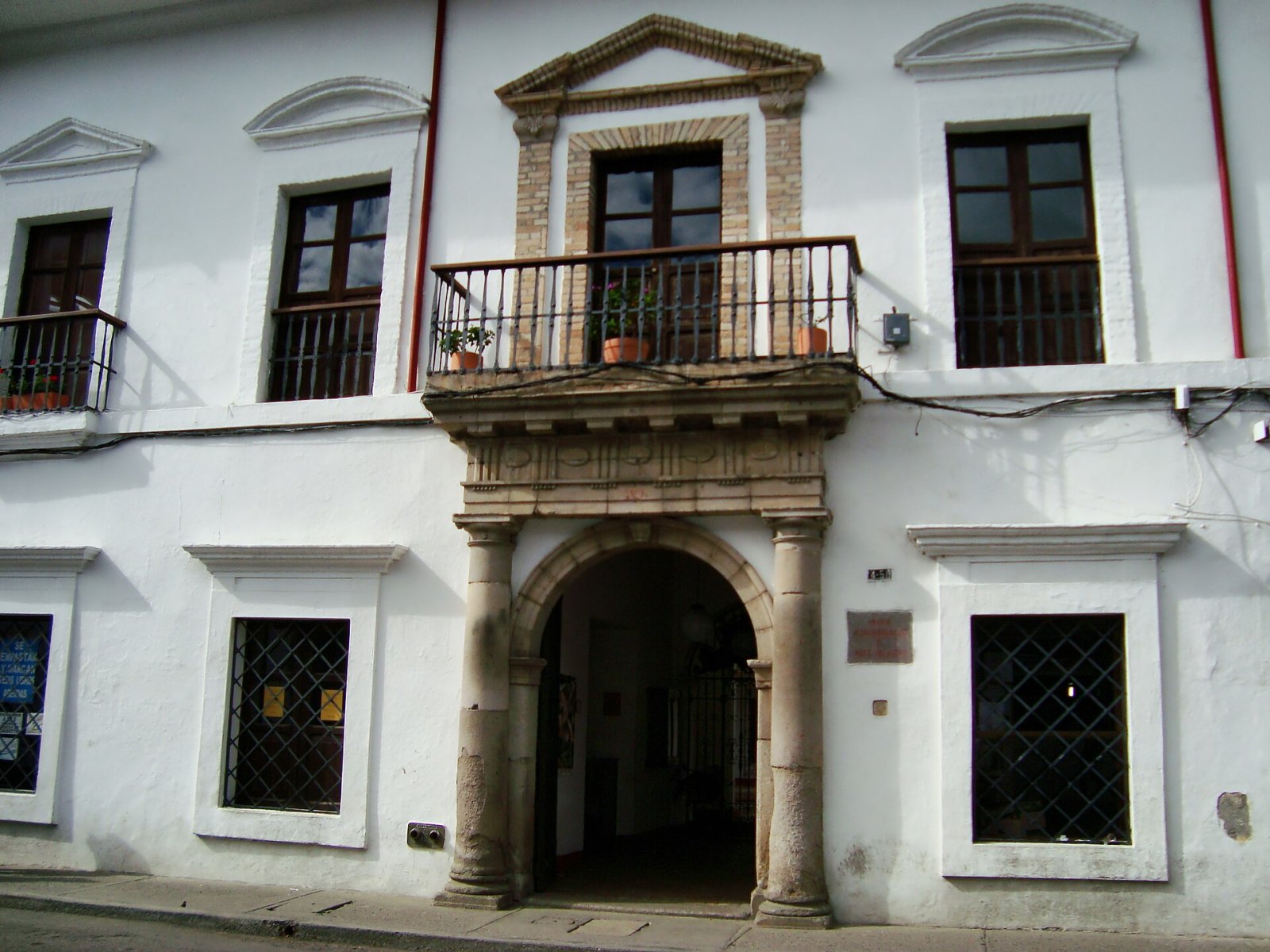

In the heart of the historic city of Popayán, Colombia, lies an invaluable treasure for art and culture lovers: the Archdiocesan Museum of Religious Art. This museum, dedicated to the exhibition of sacred art, is a place where spirituality intertwines with history, offering visitors a unique opportunity to explore the rich cultural heritage of the region. Founded in 1972 by Archbishop Miguel Angel Arce, the museum stands in a building that once belonged to the Arboleda family, witnessing centuries of devotion and artistic creativity.
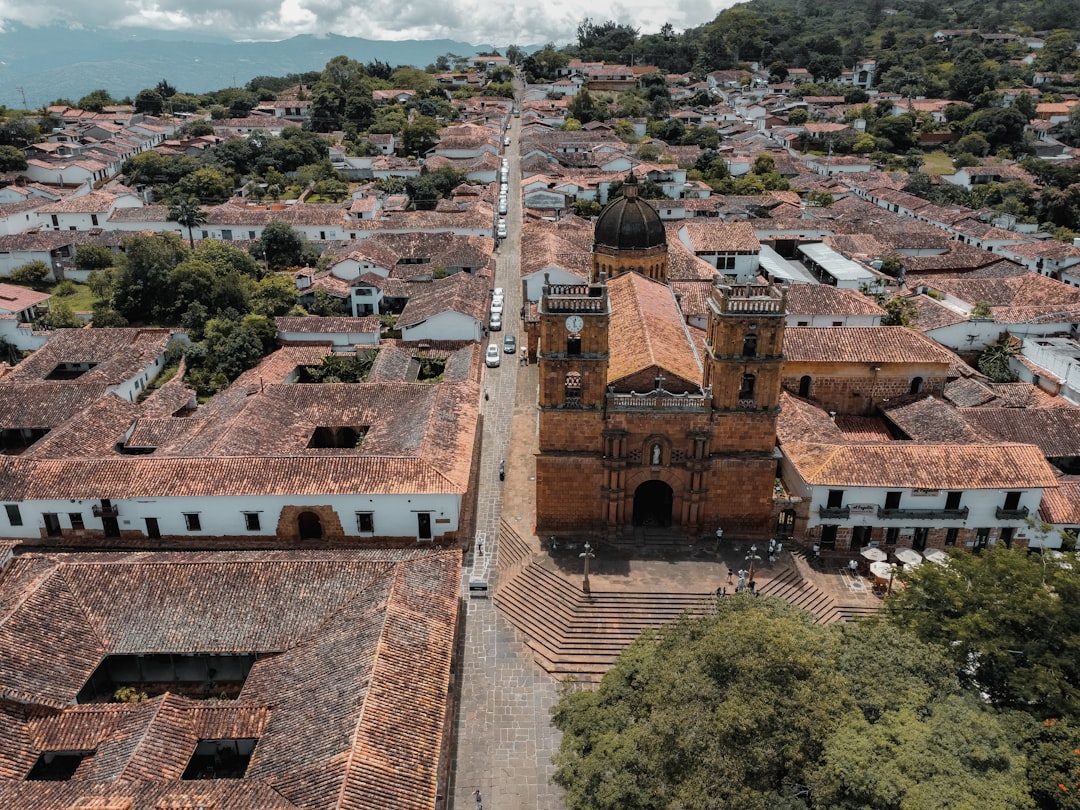
The museum's collection is a journey through the centuries, with works dating back to the 17th and 18th centuries. The sculptures, jewelry, liturgical pieces, and paintings, including a famous depiction of the Last Supper, tell stories of faith and art, making the museum a must-see landmark for anyone visiting Popayán.
Historical and Cultural Context
Popayán is known as the "White City" for its lime-washed colonial buildings, and the museum fits perfectly into this context of architectural and historical beauty. The city has been an important cultural and religious center since colonial times, and the Archdiocesan Museum represents a fundamental chapter in this history. After the earthquake of 1983, which severely damaged the building, the museum faced significant challenges, but it managed to preserve much of its collections, many of which have been recovered and restored over the years.
Its importance is recognized nationally, having received the title of Cultural Heritage. This recognition not only highlights the artistic value of the exhibited works but also emphasizes the museum's role in preserving the historical and cultural memory of Colombia, particularly in the Cauca region.
What Strikes You About the Place
Upon entering the museum, visitors are immediately struck by the atmosphere of sacredness and respect that permeates the spaces. Each artwork is carefully displayed, allowing appreciation of the details and mastery of the artists, many of whom came from Quito during the colonial period. The liturgical sculptures and precious altars tell stories of devotion and religious traditions that date back centuries, offering a deep insight into the spirituality of the region.
Another fascinating aspect of the museum is the variety of works on display. From carved wooden pieces to those in gold and silver, each item is an example of artistic skill and cultural significance. The presence of monstrances and ciboria, used during liturgical celebrations, adds another layer of meaning, making the museum not only a place of exhibition but also a center of spiritual experience.
Visiting Experience
Visiting the Archdiocesan Museum of Religious Art is an engaging experience that invites reflection and admiration. The exhibition spaces are well organized, allowing visitors to move easily and explore the various sections of the museum. It is possible to take time with each work, immersing oneself in the history and meanings that each piece carries.
Additionally, the museum offers opportunities for deeper engagement through cultural events and temporary exhibitions, making each visit unique. The availability of expert guides allows for the discovery of new details and anecdotes that further enrich the experience, making the museum a place of learning and discovery.
Practical Information for Visitors
The Archdiocesan Museum of Religious Art is easily located in the center of Popayán, a city that deserves to be explored for its architectural and gastronomic beauties. Opening hours are generally from Tuesday to Sunday, but it is advisable to check the official website for any updates or extraordinary closures. The entrance is accessible, making the museum available to all visitors.
For those seeking an even richer experience, it is possible to combine the museum visit with a stroll through the historic center of Popayán, where other churches and historical monuments can be admired. Finally, to better plan your trip and discover more details about Popayán, do not forget to consult the Secret World app, which offers updated information and useful tips for every traveler.


