



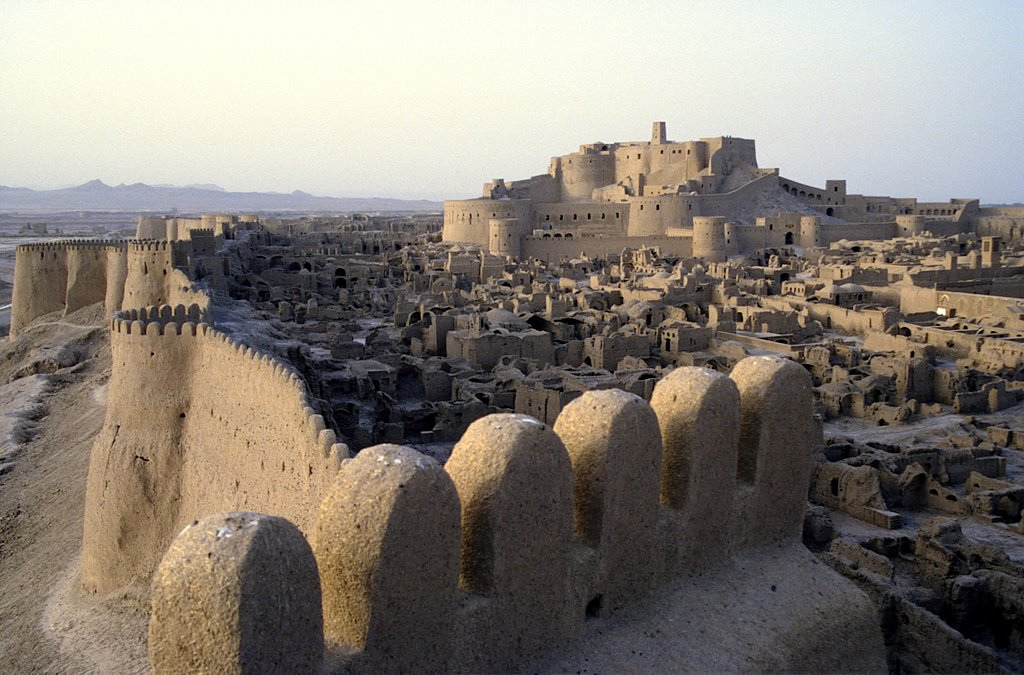
Standing as a silent witness to centuries of history, Arg-é Bam is a striking citadel nestled in the heart of Bam, a city in the Kerman Province of southeastern Iran. Constructed entirely from adobe unbaked clay bricks, this ancient fortress is often hailed as the largest structure of its kind in the world, a testament to the ingenuity of its builders. The citadel's origins trace back to the Achaemenid period (6th to 4th centuries BC), but it flourished during the 7th to 11th centuries, when it emerged as a bustling hub at the crossroads of vital trade routes, particularly known for its luxurious silk and cotton garments. Its strategic location was complemented by a sophisticated irrigation system, the qanāts, which allowed the oasis to thrive in the arid landscape of the Dasht-e Kavir desert.
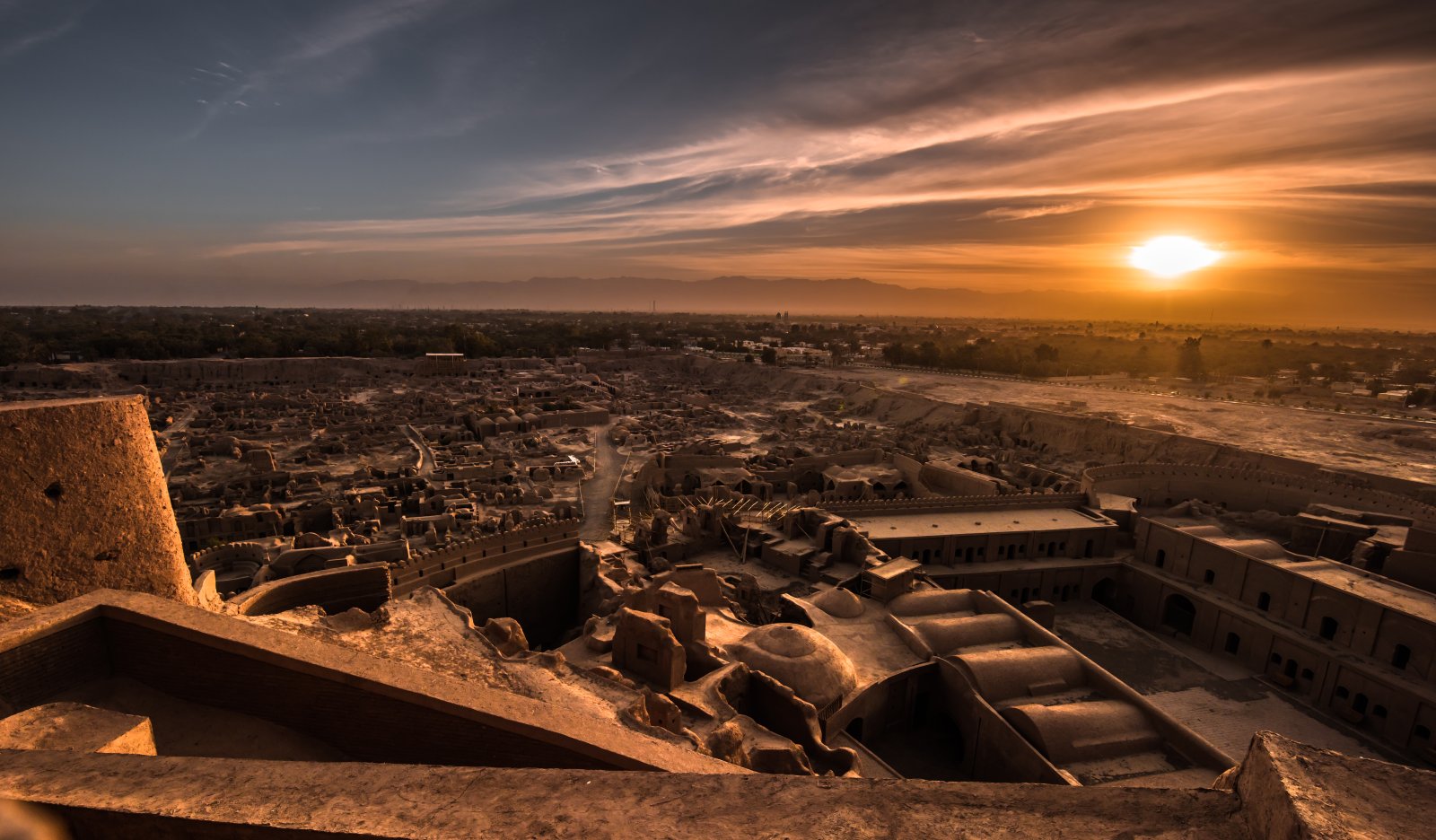
A Rich Tapestry of History The history of Arg-é Bam is as layered as the adobe bricks from which it is built. The citadel served various purposes over the centuries, from a defensive fortress to a vibrant trading center. During the Sassanian Empire (224-651 AD), it became a critical military stronghold. Notably, the region was known for its resistance against invading forces, including the Arab conquest in the 7th century. Yet, the citadel would face its greatest challenge in modern times: a catastrophic earthquake in December 2003 that decimated much of Bam, including this UNESCO World Heritage Site. The destruction led to extensive restoration efforts, which continue to this day, reviving the citadel's former glory.
Architectural Marvel The architectural style of Arg-é Bam is a stunning example of Persian design, characterized by its towering walls, intricate mud-brick formations, and expansive courtyards. The citadel spans an impressive 180,000 square meters and is surrounded by a high wall that includes watchtowers and fortified gates. Visitors can wander through its labyrinthine pathways, discovering various structures such as residential quarters, bazaars, and religious sites. One of the most striking features is the Shah Nematollah Vali Shrine, dedicated to a revered Sufi saint, showcasing beautiful tile work that adds a splash of color to the earthen tones of the citadel. The interplay of light and shadow on the mud walls creates a mesmerizing atmosphere, especially at sunrise and sunset.

Cultural Heartbeat Bam is not just a historical site; it is a living testament to the resilience of its people and their rich culture. Local customs are steeped in tradition, with festivals such as Nowruz, the Persian New Year, being celebrated with fervor. During this time, the city comes alive with music, dance, and vibrant decorations, inviting visitors to experience the warmth of Persian hospitality. Traditional crafts, especially carpet weaving and pottery, remain integral to local life, showcasing the artistry passed down through generations. Visiting local workshops offers a unique glimpse into the craftsmanship that is synonymous with Bam.
Culinary Delights The culinary scene in Bam is a feast for the senses. Traditional dishes reflect the region's agricultural bounty and include Fesenjan, a rich stew made with pomegranate and walnuts, and Kebab, grilled meat seasoned with local spices. Zereshk Polo, a fragrant saffron rice topped with barberries, is a must-try, often served with chicken or lamb. Local sweets, such as Baklava and Saffron Ice Cream, provide a delightful end to any meal. When in Bam, don't miss the chance to sip on Chai (Persian tea), served with sugar cubes and often enjoyed in the company of friendly locals.
Hidden Gems and Curiosities While many visitors flock to the citadel, some lesser-known aspects of Bam remain hidden treasures. For instance, the Bam Citadel Museum houses artifacts that tell the story of the region's rich history and culture. Additionally, the Qanāts of Bam, some of the oldest and most sophisticated underground irrigation systems in Iran, are a fascinating insight into ancient engineering. Many tourists overlook the nearby Bam National Park, a stunning expanse of desert landscapes and unique geological formations, perfect for hiking and exploration.
Visiting Arg-é Bam The best time to visit Arg-é Bam is during the spring (March to May) or autumn (September to November) when the weather is pleasantly mild. As you walk through the citadel, take your time to appreciate the intricate details of the architecture and the breathtaking views of the surrounding desert. For a truly immersive experience, consider hiring a local guide who can share stories and insights that bring the history to life. Don't forget to bring your camera to capture the stunning contrasts of the citadel against the desert backdrop.
In conclusion, Arg-é Bam is more than just a monument; it is a vibrant tapestry woven from the threads of history, culture, and tradition. To explore this captivating city and its hidden gems, consider using the Secret World app for a personalized AI itinerary tailored to your interests.
