



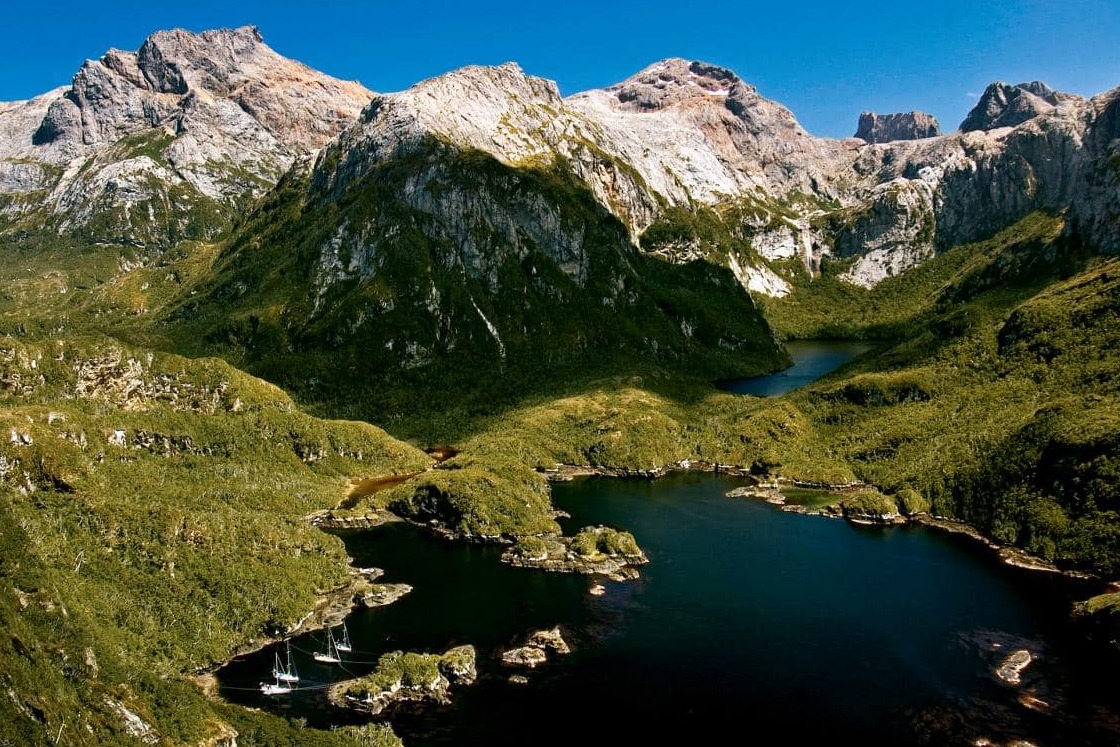
In the remote reaches of Argentina, the wild landscapes of Isla de los Estados and Peninsula Mitre beckon adventurous souls with their untamed beauty and rich history. These two areas, often shrouded in mystery, offer a glimpse into the pristine wilderness that defines the southernmost part of South America.
Isla de los Estados, known as the “Island of States,” has a storied past that intertwines with exploration and literature. The island gained fame as the setting for Jules Verne's novel, “Lighthouse at the End of the World,” published in 1905. Verne's lighthouse, a replica of which stands on the island today, symbolizes the isolation and allure of this rugged terrain. Historically, the island served a variety of purposes: it was once a prison, a remote naval base, and is now a nature reserve. Its strategic position at the eastern entrance to the Beagle Channel has long made it a point of interest for sailors and explorers.
Diving into the architectural significance of Isla de los Estados, the lighthouse stands as a testament to its maritime history. Built in 1926, the structure is a simple yet striking example of early 20th-century functionality, designed to guide ships through treacherous waters. The remains of the prison, a stark reminder of the island's darker past, are scattered throughout the landscape, adding an air of intrigue for those who venture to explore.
The cultural tapestry of this region is woven with the stories of its indigenous peoples and the European settlers who followed. The Yaghan and Selk'nam tribes, who originally inhabited these lands, had a rich tradition of storytelling and connection to the environment. Although their populations diminished with the arrival of European colonizers in the late 19th century, their cultural legacy persists in the area's folklore and respect for nature. Today, the islands and peninsula celebrate their heritage through local festivals, often honoring the land and its history with music, dance, and storytelling.
Gastronomy in this remote region reflects a unique blend of indigenous and European influences. Visitors to Isla de los Estados and Peninsula Mitre can savor traditional dishes such as cordero al palo (lamb cooked over an open fire) and centolla (king crab). These dishes, often enjoyed in rustic estancias, showcase the region's abundant natural resources. Pairing these meals with a glass of Malbec or a local craft beer enhances the experience, allowing travelers to taste the essence of Tierra del Fuego.
Beyond the well-trodden paths, Isla de los Estados conceals lesser-known curiosities that captivate the imagination. For instance, the island is the only place in Argentina where one can find fjords—steep cliffs plunging dramatically into the sea, creating surreal vistas that seem almost otherworldly. Wildlife enthusiasts will delight in the small colony of King penguins that inhabit the island, along with various seabirds. While sailing through the surrounding waters, it’s not uncommon to catch glimpses of playful dolphins, majestic orcas, or basking seals, making every moment spent in this pristine environment a treasure.
For those planning a visit, the best time to explore Isla de los Estados and Peninsula Mitre is during the southern summer months of December to March when weather conditions are milder and wildlife is more active. Access to these remote areas is limited, so it's essential to plan ahead and consider guided tours that specialize in navigating the waters of the Beagle Channel. Hikers should prepare for rugged terrain and unpredictable weather, ensuring they are equipped with proper gear.
As you wander through the untouched landscapes and engage with the rich history of these regions, you’ll discover a world where nature and history converge in breathtaking ways. The experiences gained here linger long after the journey ends, inviting reflection and connection to the wild.
For a seamless travel experience, consider using the Secret World app to craft a personalized itinerary tailored to your adventurous spirit.
