



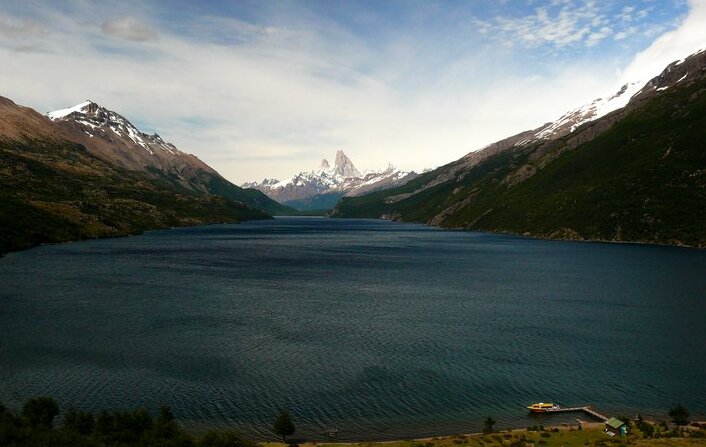
In the heart of Patagonia lies Lago del Desierto, a stunning gem that embodies the untamed beauty of Argentina. Just 25 kilometers from the charming town of El Chaltén, this breathtaking lake is not only a sight to behold but also a sanctuary for diverse flora and fauna. As you embark on the journey to reach this idyllic paradise, you'll traverse Provincial Route No. 23, a road that winds along the Vueltas River, offering tantalizing glimpses of the ever-changing landscapes that characterize this region.
History and Origins
The history of Lago del Desierto is steeped in the rich narratives of Patagonia. Long before European explorers set foot in this land, Indigenous peoples, including the Tehuelche and Mapuche, inhabited the area, relying on its natural bounty. They revered the mountains and lakes, integrating them into their cultural and spiritual practices.

In the late 19th century, the region began to attract the attention of European settlers. Notably, in the 1880s, the area was subject to territorial disputes between Argentina and Chile, with both countries vying for control over this picturesque landscape. In 1914, the Lago del Desierto was officially designated as part of the Los Glaciares National Park, which was established to conserve the unique ecosystems and wildlife inhabiting this part of Patagonia.
Art and Architecture
While Lago del Desierto itself is a natural wonder, the surrounding area also reflects a blend of architectural styles influenced by both Indigenous and European settlers. The nearby town of El Chaltén features rustic lodges and cabins that harmonize with the landscape, often constructed from local timber and stone. Indigenous art, prominently displayed in local galleries, often features motifs inspired by the surrounding nature, such as the iconic mountains and shimmering waters.
Visitors can also find artisan crafts, including intricate handwoven textiles and pottery, which echo the region's cultural heritage. These artworks not only serve as beautiful souvenirs but also tell stories of the people and traditions that have shaped this land.
Local Culture and Traditions
The culture surrounding Lago del Desierto is vibrant and deeply connected to nature. Local customs reflect a blend of Indigenous heritage and Argentine traditions. Festivals celebrating the changing seasons are common, with the Fiesta Nacional del Trekking being a highlight. This annual event, typically held in November, attracts outdoor enthusiasts from around the country to participate in trekking competitions and celebrate the stunning landscapes with music and dance.
Additionally, the local gaucho culture is integral to the identity of the region. These skilled horsemen, known for their expertise in cattle herding, often showcase their talents through traditional dances and music during community gatherings.
Gastronomy
The culinary landscape around Lago del Desierto is as diverse as its natural beauty. Local restaurants and eateries serve traditional Argentine dishes, with a strong emphasis on Patagonian flavors. One must-try dish is the asado, a barbecue featuring succulent cuts of beef, lamb, and pork, often cooked over an open flame for hours. Accompanying this feast are traditional sides such as provoleta, a melted cheese dish, and fresh chimichurri sauce.
For those with a sweet tooth, dulce de leche—a rich caramel-like spread—is a must. Pair it with locally produced wines, particularly Malbec, which thrives in the broader Argentine climate, to elevate your dining experience.
Lesser-Known Curiosities
Despite its breathtaking scenery, Lago del Desierto remains one of Patagonia's best-kept secrets. Many visitors are unaware that the lake is home to the Cerro de los Cristales, a mountain known for its striking crystal formations, visible during certain weather conditions. Moreover, the tranquility of the lake often attracts a variety of wildlife, including the elusive Andean condor, one of the world's largest flying birds.
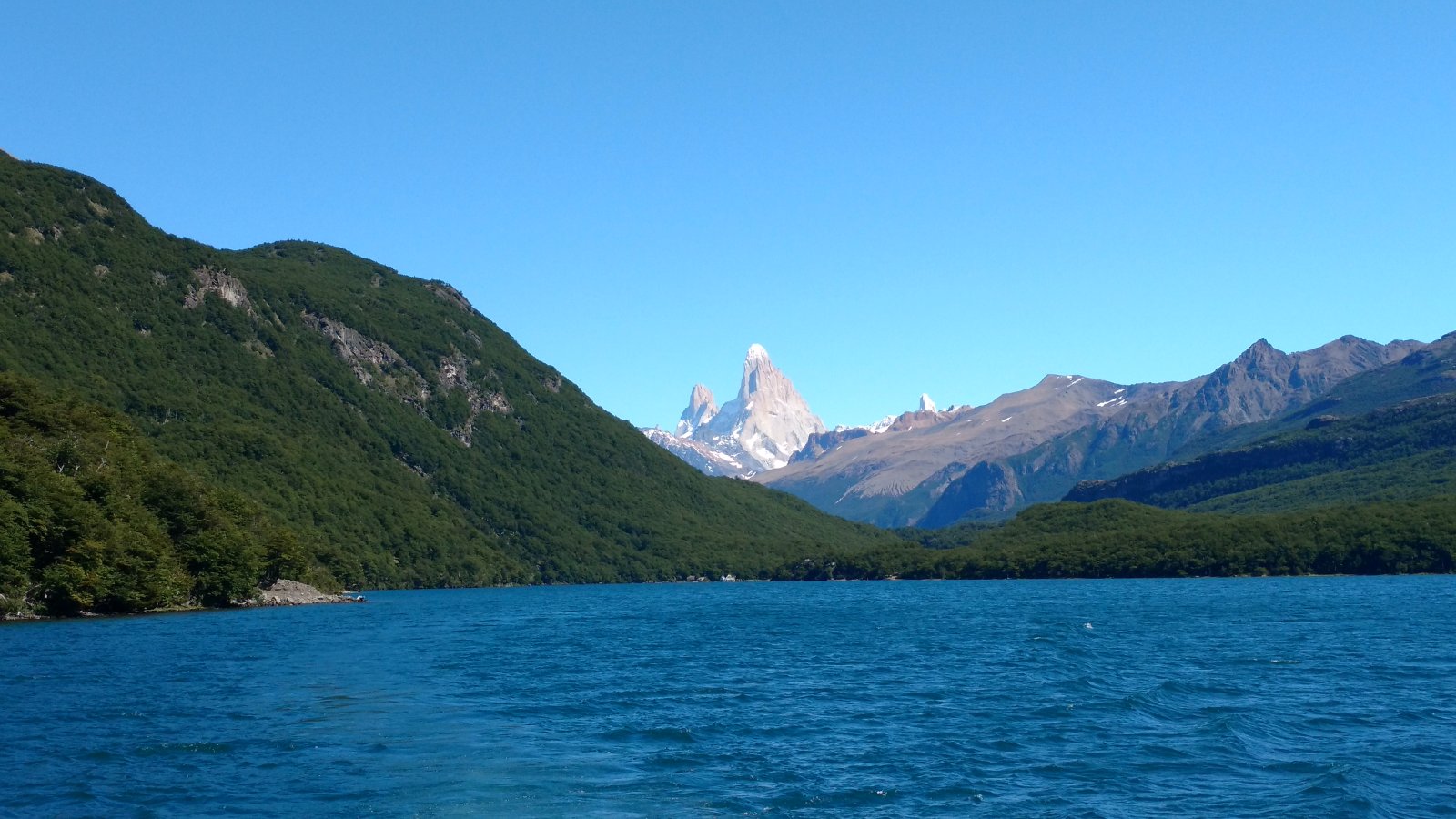
Another fascinating detail is the lake's unique color, which changes throughout the day depending on the sunlight and weather conditions. Early morning often reveals a mesmerizing cerulean hue, while afternoon light can turn it into a brilliant turquoise.
Practical Visitor Information
To fully appreciate the beauty of Lago del Desierto, the best time to visit is during the Patagonian summer, from November to March, when temperatures are milder and the days are longer. Be prepared to experience the breathtaking views by hiking the trails that surround the lake, and remember to bring layers, as mountain weather can be unpredictable.
For a more immersive experience, consider taking a guided tour that includes kayaking on the lake or exploring the nearby Los Glaciares National Park. Local guides often share invaluable insights about the flora and fauna, enhancing your understanding of this pristine environment.
As you plan your visit, remember to download the Secret World app to create a personalized itinerary that will help you discover all that Lago del Desierto has to offer.
