
← Back

Arquà Petrarca and the Euganean Hills

Via Ventolone, 8, 35032 Arquà Petrarca PD, Italia ★★★★☆ 365 views
Marika Shaw
Arquà Petrarca
🏆 AI Trip Planner 2026

Get the free app

Discover the best of Arquà Petrarca with Secret World — the AI trip planner with 1M+ destinations. Get personalized itineraries, hidden gems and local tips. Free on iOS & Android.

🧠 AI Itineraries 🎒 Trip Toolkit 🎮 KnowWhere Game 🎧 Audio Guides 📹 Videos
Download on the App Store Get it on Google Play
Scan to download Scan to download

About Arquà Petrarca and the Euganean Hills

Arquà Petrarca and the Euganean Hills - Arquà Petrarca | Secret World Trip Planner

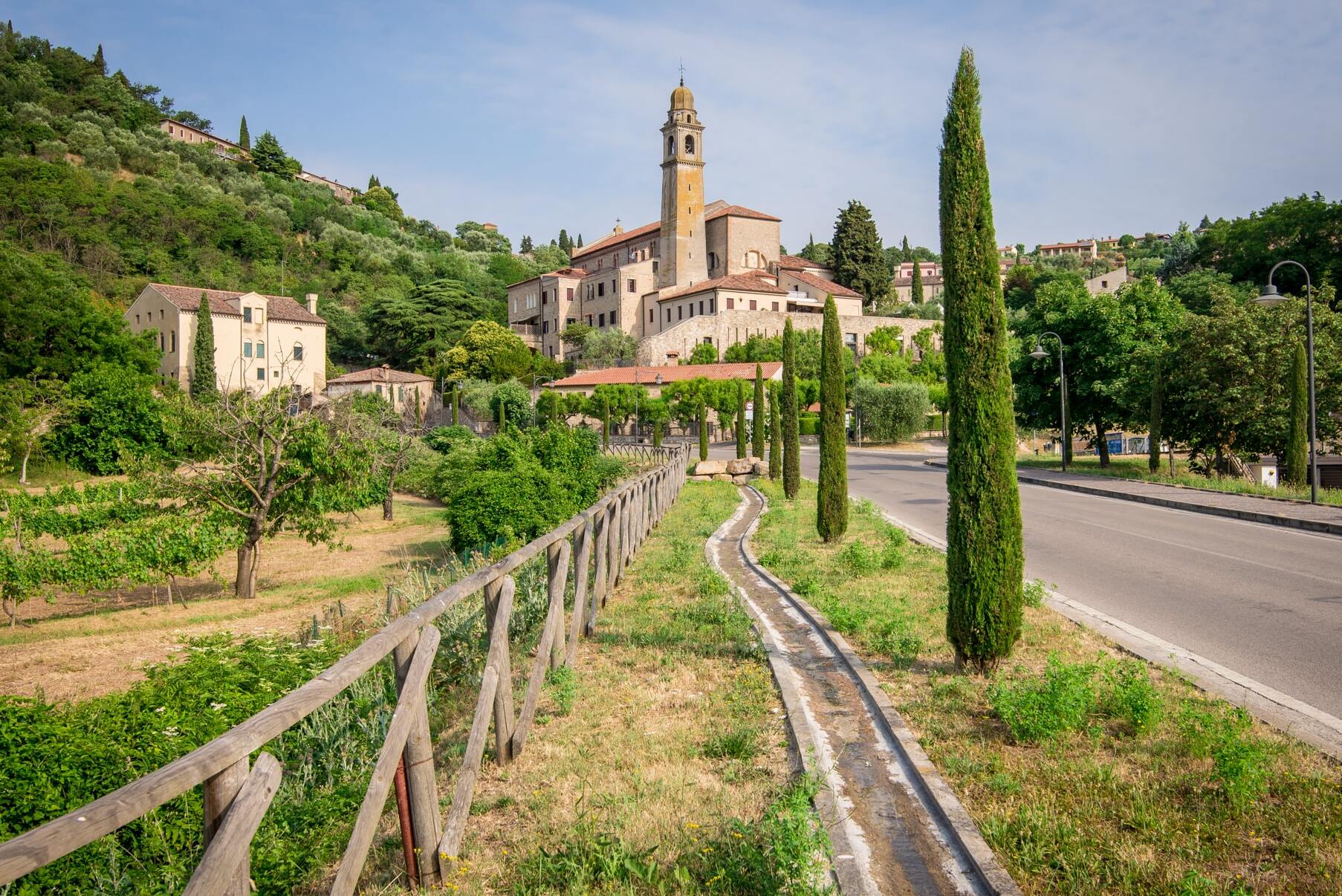
Arquà Petrarca is an Italian town of 1 833 inhabitants in the province of Padua in Veneto, located at the foot of Mount Piccolo and Mount Ventolone. Time seems to stand still in Arquà Petrarca, the center of the Euganean Hills that, more than any other, maintains the ancient charm of medieval villages.Arquà Petrarca owes its name to Arquata montium, which means "Cloister of the Mountains" and to the poet Francesco Petrarca who spent the last years of his life there. You have to know that Arquà Petrarca was placed second in the special ranking of Kilimangiaro, a well-known Rai transmission, among the "most beautiful villages in Italy".its origins are very ancient, in fact near the Costa Lake was found a prehistoric pile-dwelling station dating back to the Bronze Age.the beauty and suggestion of its historic center still extraordinarily intact, have made possible its inclusion among the "most beautiful villages in Italy". The attention to the promotion of local products such as the excellent olive oil has also allowed it to join the National Association of Oil Cities and to become a prestigious destination for high quality food and wine tourism. In Arquà Petrarca, the famous writer and poet, as already mentioned, spent the last years of his life. Today, his house is the main attraction for visitors to the village. Dating back to the sixteenth century and renovated by Petrarch himself from 1369 - when it was donated to him by the Lord of Padua Francesco il Vecchio da Carrara -, in the sixteenth century it passed into the hands of the Paduan nobleman Pietro Paolo Valdezocco, who had the loggia built in Renaissance style and the external staircase, and who had the walls painted with tempera depicting scenes inspired by the Canzoniere, the Trionfi and Africa. Today, it is possible to visit the studiolo in which the poet died, with its original chair and bookcase. And even the cat that belonged to Petrarch, mummified and preserved in a niche. But, in Arquà Petrarca, there is (also) much more to see. Although every monument preserves the memory of Petrarch: the SS Trinità Oratory with the church where he went to pray, and where today you can admire the 17th century wooden altar with the altarpiece by Palma il Giovane depicting the Trinity and the leather frontal, depicting the Risen Christ, as well as two valuable works (the painting by Giovanni Battista Pellizzari and a large canvas from 1670, depicting the "City of Padua in the act of paying homage to a martyred bishop"); the Loggia dei Vicari, where meetings were held and problems were discussed between the heads of families and the Vicars. And then the Fountain of Petrarch and his tomb, a red Verona marble ark that - tracing the forms of Roman sarcophagi - contains the poet's remains.

Arquà Petrarca and the Euganean Hills - Arquà Petrarca | Secret World Trip Planner
🗺 AI Trip Planner

Plan your visit to Arquà Petrarca

Suggested itinerary near Arquà Petrarca and the Euganean Hills

MAJ+
500.000+ travelers worldwide
  1. 🌅
    Morning
    Arquà Petrarca and the Euganean Hills
    📍 Arquà Petrarca
  2. ☀️
    Afternoon
    Arquà Petrarca: Medieval Village on Euganean Hills
    📍 0.1 km · Arquà Petrarca
  3. 🌆
    Evening
    The Petrarch's house
    📍 0.4 km · Arquà Petrarca

Buy Unique Travel Experiences

Powered by Viator

See more on Viator.com

Explore nearby · Arquà Petrarca

Frequently Asked Questions

Francesco Petrarca, the famous Italian poet, spent the last years of his life in Arquà Petrarca after receiving the house as a gift from the Lord of Padua in 1369. The village's name combines 'Arquata montium' (meaning 'Cloister of the Mountains') with Petrarca's name to honor his significant connection to the town. Today, his former residence is the main attraction for visitors interested in the poet's life and legacy.
You can visit Petrarch's studiolo, the room where the poet died, which still contains his original chair and bookcase. The house, originally dating to the sixteenth century but renovated by Petrarch himself starting in 1369, features Renaissance-style additions including a loggia and external staircase added by later owner Pietro Paolo Valdezocco. The walls are decorated with tempera paintings depicting scenes from Petrarch's famous works, and remarkably, his mummified cat is preserved in a niche.
Yes, Arquà Petrarca was ranked second in a special ranking by Kilimangiaro, a prestigious RAI television program, among the most beautiful villages in Italy. The village's extraordinarily intact historic medieval center and its location in the Euganean Hills at the foot of Mount Piccolo and Mount Ventolone contribute to its remarkable charm and appeal. Despite having only 1,833 inhabitants, it has earned recognition for preserving authentic medieval character better than almost any other village.
Arquà Petrarca is renowned for its excellent olive oil production and has joined the National Association of Oil Cities, making it a prestigious destination for high-quality food and wine tourism. The village actively promotes its local products, which are central to the region's culinary tradition and appeal to visitors seeking authentic Veneto flavors. This focus on quality local ingredients reflects the village's commitment to preserving its cultural and gastronomic heritage.
Arquà Petrarca has remarkably ancient origins, with archaeological evidence showing a prehistoric pile-dwelling station dating back to the Bronze Age discovered near Costa Lake. This discovery indicates human habitation in the area thousands of years before the medieval village we see today. The combination of this prehistoric heritage with its well-preserved medieval center makes it a fascinating destination for those interested in Italy's long historical timeline.
