

The cinnamon-colored bark burns like embers under the afternoon light. When you place your hand on one of these smooth, cold trunks, you immediately understand why the Arrayanes Forest is unlike any other place on Earth. Here, on the Quetrihué Peninsula that juts into the Nahuel Huapi Lake, thousands of specimens of Luma apiculata, the Chilean myrtle, grow, a species that in this corner of Argentine Patagonia has found the ideal conditions to form an almost pure forest, dense and silent like a dream.
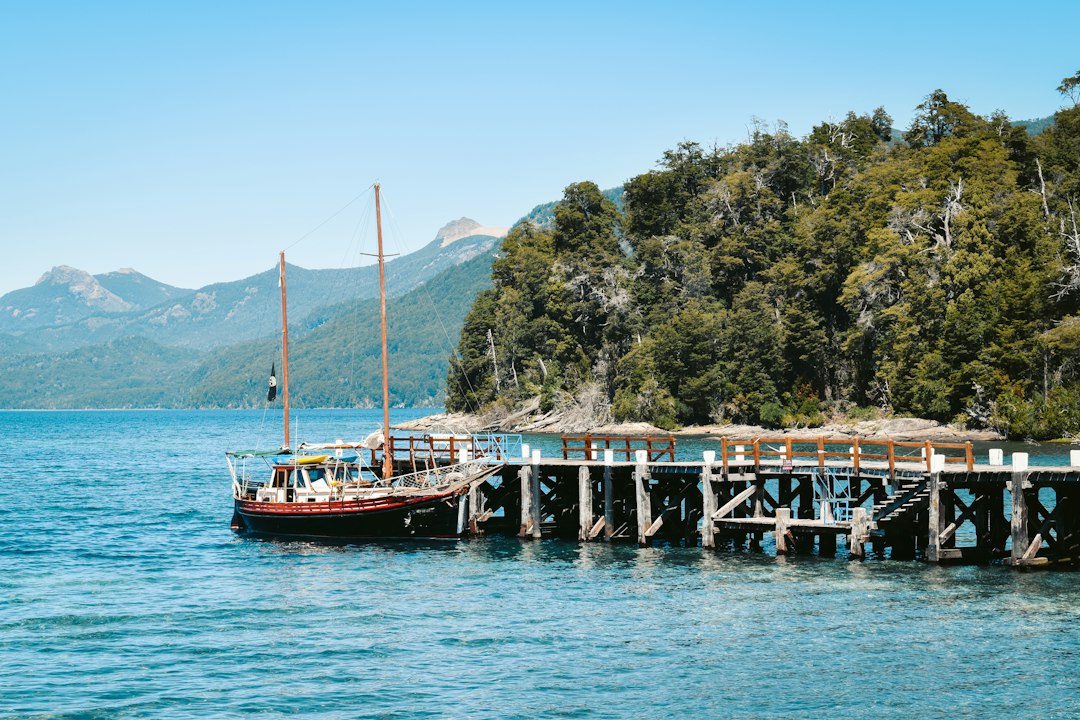
Villa La Angostura, the nearest small settlement, is located in the province of Neuquén, about 80 kilometers from Bariloche. From here, access to the peninsula is through the Los Arrayanes National Park, established in 1971 specifically to protect this unique ecosystem. The peninsula measures about 12 kilometers in length and the arrayanes forest occupies its southern tip, reachable only on foot or by boat, with no cars or paved roads.
A forest that stands out at first glance
The most immediate and surprising element of the Arrayanes Forest is the bark of the trees: smooth, thin, of an intense cinnamon-orange that peels off in small flakes revealing lighter and greenish layers underneath. In winter, when temperatures drop, this bark becomes cold to the touch in an almost unnatural way, as if the tree were absorbing the frost from within. The arrayanes can live for hundreds of years and reach heights of 15-20 meters, exceptional sizes for this species that elsewhere remains a shrub.
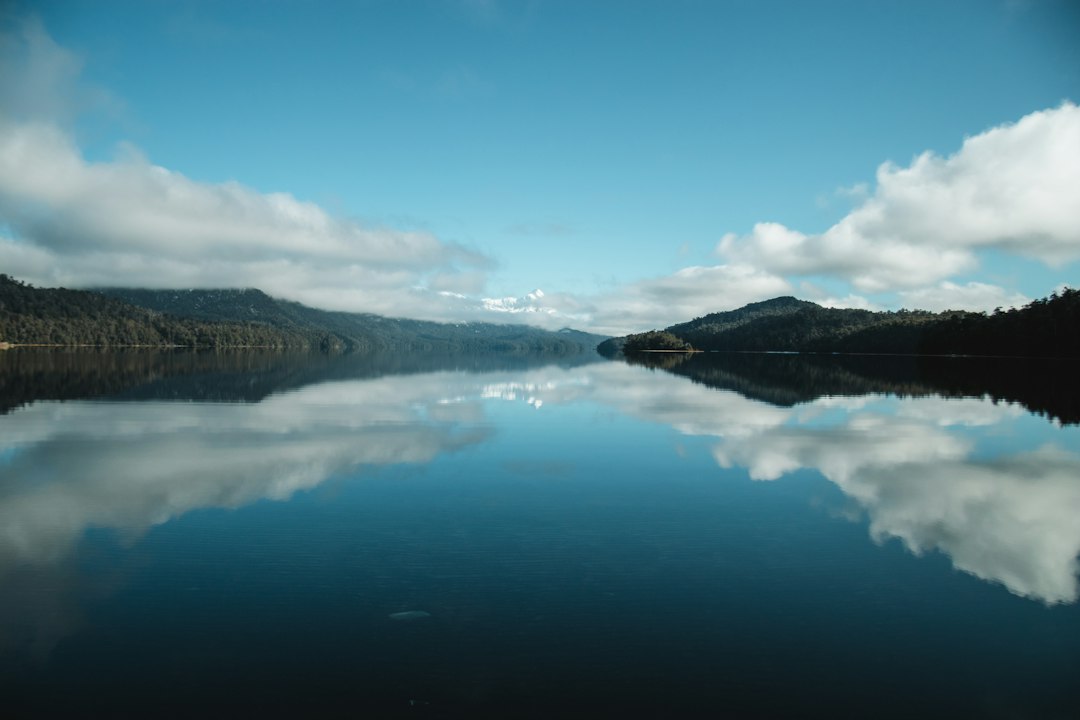
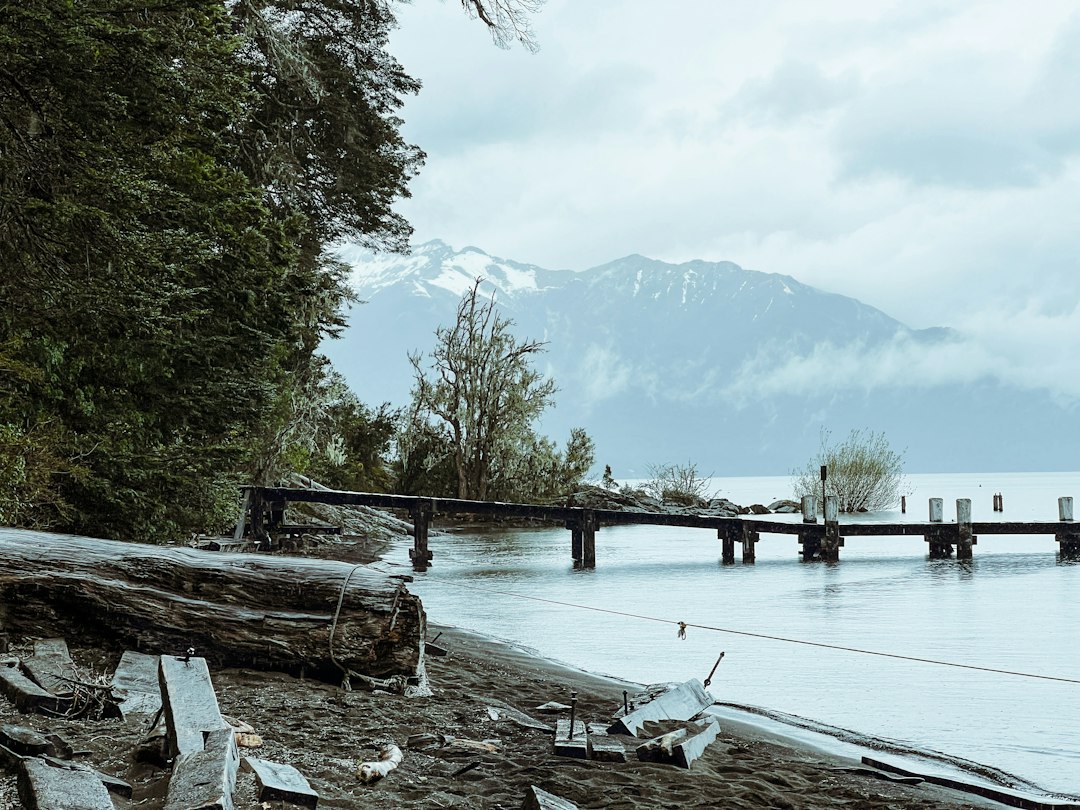
The branches intertwine above the path creating a vegetative arch that filters light in a peculiar way, tinting everything in green-gray during the central hours of the day. In autumn, between March and April, the small oval leaves take on red and orange hues that blend with the color of the bark in a chromatic effect that is difficult to photograph and even harder to forget. Along the path, glimpses of the lake open up, with the dark waters of Nahuel Huapi reflecting the vegetation and, on clear days, the snow-capped profile of the Andes.
How to get there and how much time to dedicate
There are two ways to reach the tip of the peninsula: on foot along the trail that starts from the dock of Villa La Angostura, or by boat with the navigation services that depart from the town's port. The walking trail is about 12 kilometers long one way, with a minimal elevation gain, and it typically takes 3-4 hours of walking to reach the forest. Those who walk the entire round trip spend a whole day. The boat, on the other hand, covers the distance in about 30-40 minutes and allows you to admire the peninsula from the lake before landing directly at the entrance of the forest.
The most useful practical advice is to start early in the morning, preferably by 9:00 AM, for two reasons: the morning light is softer and enhances the colors of the bark, and it avoids the concentration of visitors that arrives with the boats during the central hours. The entrance ticket to the national park, which is mandatory, can be purchased at the entrance of the trail or at the dock; prices vary for Argentine residents and foreigners, with rates in recent years ranging between 1,000 and 3,000 Argentine pesos for international visitors, subject to frequent updates due to local inflation.
The Legend and the Connection with Walt Disney
For decades, there has been a story that Walt Disney, while visiting Patagonia in the 1940s, was inspired by the Bosque de Arrayanes for the enchanted forest in the film Bambi. This rumor is rooted in local tradition and is often told by guides, but it is not documented with historical certainty. What is certain is that the atmosphere of the place has something genuinely fairy-tale-like: the silence, interrupted only by the singing of birds and the sound of water, and the light that constantly changes among the treetops create a disorienting and wonderful effect.
Regardless of the legend, the forest exerts a real charm on anyone who passes through it. The park's informational panels explain the ecology of the species and the reasons why this concentration of arrayanes is so rare: the peninsula offers constant humidity, well-drained soils, and natural protection from winds that has allowed the trees to grow undisturbed for centuries.
When to go and what to expect
The best season to visit the Bosque de Arrayanes is the southern autumn, from March to May, when the colors of the vegetation are at their most intense and the temperatures remain pleasant for walking. The Patagonian summer, from December to February, brings more visitors and longer days, but also strong winds and occasional afternoon storms. In winter, the park remains open but the trail can be slippery and some boats suspend service.
Bringing enough water is essential, especially for those choosing the walking route, as there are no refreshment points along the trail. Layered clothing is always recommended: the microclimate of the peninsula can change rapidly, and in the shade of the forest, the temperature drops even on sunny days. Those arriving with expectations of immediate spectacle may want to slow down: the Bosque de Arrayanes is a place that requires attention to details, colors, and textures, rather than open landscapes and easy photographs.


