
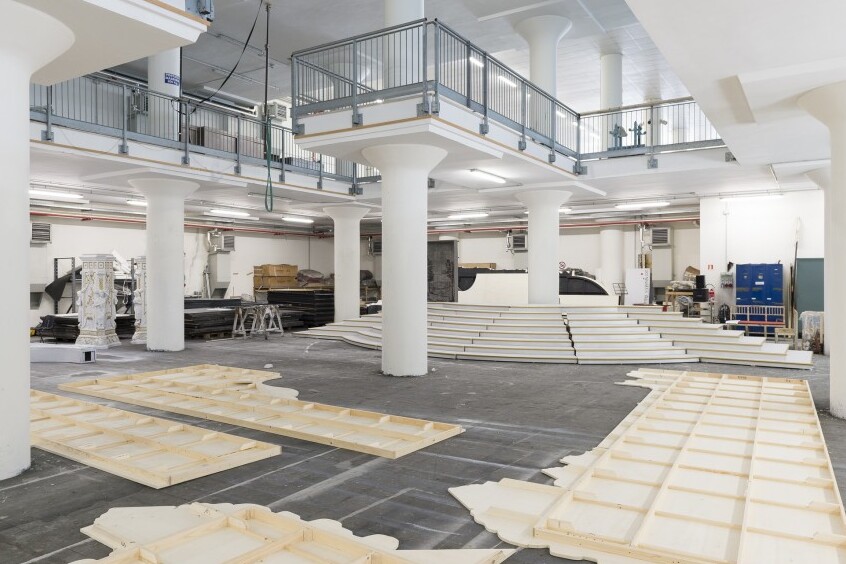

Nestled in the vibrant district of Vigliena, Napoli, the art workshops offer a unique glimpse into the creative spirit of this historical city. Originally part of the famed peeled tomato factory in San Giovanni a Teduccio, these workshops have undergone a remarkable transformation. The factory, known for its rich history in food production, has now become a hub for the Teatro San Carlo, Italy's oldest opera house, which dates back to 1737. This reconversion not only preserves the building’s industrial past but also revitalizes it for artistic expression, showcasing a blend of Napoli’s cultural heritage and modern creativity.
History and Origins The roots of Vigliena can be traced back centuries, with its area contributing significantly to the local economy through agriculture and manufacturing. The peeled tomato factory became a significant player in Italy's food industry post-World War II, when canned tomatoes became staples in kitchens worldwide. This industrial evolution mirrored Napoli's own cultural renaissance, setting the stage for the convergence of art and industry. The transition from a factory to art workshops signifies a broader movement in the area, reflecting the resilience and adaptability of the local communities.
Art and Architecture The architectural style of the workshops is a compelling mix of industrial and artistic aesthetics. The building retains its original brick facades, juxtaposed with modern interiors designed for creativity. Visitors can expect to find sculptures, paintings, and stage designs that are not only functional but also artistic statements in their own right. The Teatro San Carlo's historical archive, housed here, serves as a treasure trove of artifacts, including costumes, set designs, and manuscripts from centuries of operatic tradition, enriching the artistic significance of the space.
Local Culture and Traditions Vigliena is steeped in Napoli's local customs and traditions. The area is known for its vibrant street life, where artisans often display their crafts. Festivals such as Festa di San Gennaro and Natale di Napoli showcase the city's deep-rooted religious and cultural heritage, often featuring processions, music, and culinary delights. The workshops themselves occasionally open for special events, allowing visitors to partake in hands-on experiences that celebrate the local artistic community.
Gastronomy No visit to Vigliena would be complete without indulging in its culinary offerings. The area is renowned for its Neapolitan pizza, particularly the classic Margherita, which is famously made with San Marzano tomatoes, mozzarella di bufala, and fresh basil. Traditional delicacies such as sfogliatella and babà provide a sweet contrast to the savory dishes. Local wine, particularly Falanghina and Aglianico, complements these meals perfectly, embodying the flavors of the region.
Lesser-known Curiosities One intriguing fact about the Vigliena workshops is their connection to the Teatro San Carlo's rich operatic history. The workshops occasionally host performances that blend traditional operatic elements with contemporary art forms, challenging the boundaries of performance art. Furthermore, the area is home to several hidden murals created by local artists, offering a glimpse into the street art scene that flourishes alongside the traditional art found within the workshops.
Practical Visitor Information The best time to visit Vigliena is during the spring and early autumn months, when the weather is pleasant, and local festivals are abundant. Although the workshops are generally closed to the public, special events and open days provide a unique opportunity to explore the space. Visitors are encouraged to check local listings for workshop schedules and upcoming events. Don’t forget to explore the surrounding neighborhoods, where you can find artisanal shops and local eateries that offer a taste of Neapolitan culture.
For an immersive experience that encapsulates the heart of Napoli, consider using the Secret World app to plan your personalized itinerary.


