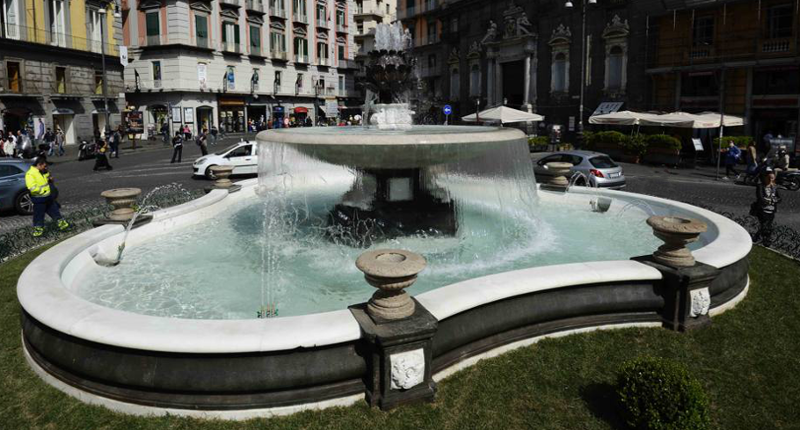
In the heart of Naples, the Artichoke Fountain offers a unique glimpse into the city's artistic and cultural fabric. Built in 1955, this modern monument was inaugurated on April 29, 1956, by then-mayor Achille Lauro. Its creation was a response to the rejection of relocating the historic Fountain of Monteoliveto to Piazza Trieste e Trento. Instead, Lauro commissioned engineers Carlo Comite, Mario Massari, and Fedele Federico to design a new fountain that would become a cherished local landmark. The fountain sits within a quaint garden, its large circular basin cradling a unique centerpiece—a cup that pours water from a vase resembling a floral corolla, earning it the affectionate nickname, the Artichoke.
### History and Origins The Artichoke Fountain may be a modern creation, but it stands as a testament to Naples’ rich historical tapestry. The city's history dates back to ancient Greek settlements, specifically as Neapolis, which means “new city.” Over centuries, it has been a crossroads of cultures, from the Greeks to the Romans, and later the Spanish and Bourbons. The 20th century, marked by the devastation of World War II, saw a revival in urban development as cities like Naples sought to restore their grandeur. The Artichoke Fountain emerged from this post-war renaissance, symbolizing both resilience and innovation in a city known for its layered history.
### Art and Architecture Architecturally, the Artichoke Fountain embodies mid-20th-century modernism. The engineers' vision was to create a fountain that offered not just function but also aesthetic pleasure. The fountain's circular basin serves as a serene gathering place, while the floral design of the water vase provides a nod to nature, blending seamlessly with the surrounding garden. Its artistic significance lies in its departure from traditional fountain designs, representing a modern interpretation that resonates with the vibrancy of Naples. The fountain stands as a juxtaposition against the more classical structures that dot the city, inviting reflection on the evolution of artistic expression in urban spaces.
### Local Culture and Traditions The Artichoke Fountain is not only an aesthetic delight; it is also a cultural hub within the local community. Nestled in a small garden, it serves as a meeting point for residents and tourists alike, fostering a sense of community. Local customs often revolve around shared moments at this fountain, from leisurely afternoons to spontaneous gatherings. Festivals celebrating local culture, such as the Feast of San Gennaro, often see processions passing by the fountain, highlighting its role in the city's social fabric.
### Gastronomy No visit to Naples is complete without indulging in its renowned gastronomy. Just a short walk from the Artichoke Fountain, visitors can discover local culinary delights. The city is famous for its pizza, particularly the Margherita, crafted with simple yet flavorful ingredients like San Marzano tomatoes and mozzarella di bufala. Pair your meal with a glass of Limoncello, a vibrant lemon liqueur that hails from the nearby Amalfi Coast. The juxtaposition of the fountain's serene beauty and the bustling culinary scene nearby creates a rich sensory experience for all who visit.
### Lesser-known Curiosities While the Artichoke Fountain is a celebrated landmark, there are often hidden details that escape the notice of casual visitors. For instance, the fountain's basin is not just functional but also serves as a habitat for local flora and fauna, including various bird species that frequent the area. Additionally, the design elements of the fountain contain intricate carvings that reflect local artisan craftsmanship, a nod to Naples’ long-standing tradition of artistry. Many locals possess stories of personal connections to the fountain, whether it be a favorite childhood memory or a romantic rendezvous, adding layers of meaning to its presence.
### Practical Visitor Information The best time to visit the Artichoke Fountain is during the spring and fall when the weather is mild, and the surrounding gardens are in full bloom. A leisurely stroll around the fountain allows for ample photo opportunities, especially in the golden light of sunset. For those hoping to avoid crowds, visiting during weekday mornings can provide a quieter experience. Look closely at the intricate details in the fountain’s design and take a moment to enjoy the ambiance of the garden.
In conclusion, the Artichoke Fountain is more than just a modern water feature; it is a reflection of Naples’ spirit—resilient, artistic, and deeply intertwined with the community. As you explore the city, consider using the Secret World app to craft a personalized itinerary, ensuring you discover all of Napoli’s hidden treasures.
