


About 430 kilometers south of Ulaanbaatar, where the Mongolian steppe stretches flat and silent to the horizon, the night sky of Arvajhėėr reveals something that has become almost a memory in European cities: the complete arch of the Milky Way, visible to the naked eye with a clarity that takes your breath away. Arvajhėėr is the capital of the Övörkhangai aimag, a province that extends over more than 62,000 square kilometers of territory almost free from artificial light pollution. Here, darkness is not the absence of something, it is a concrete and dense presence.
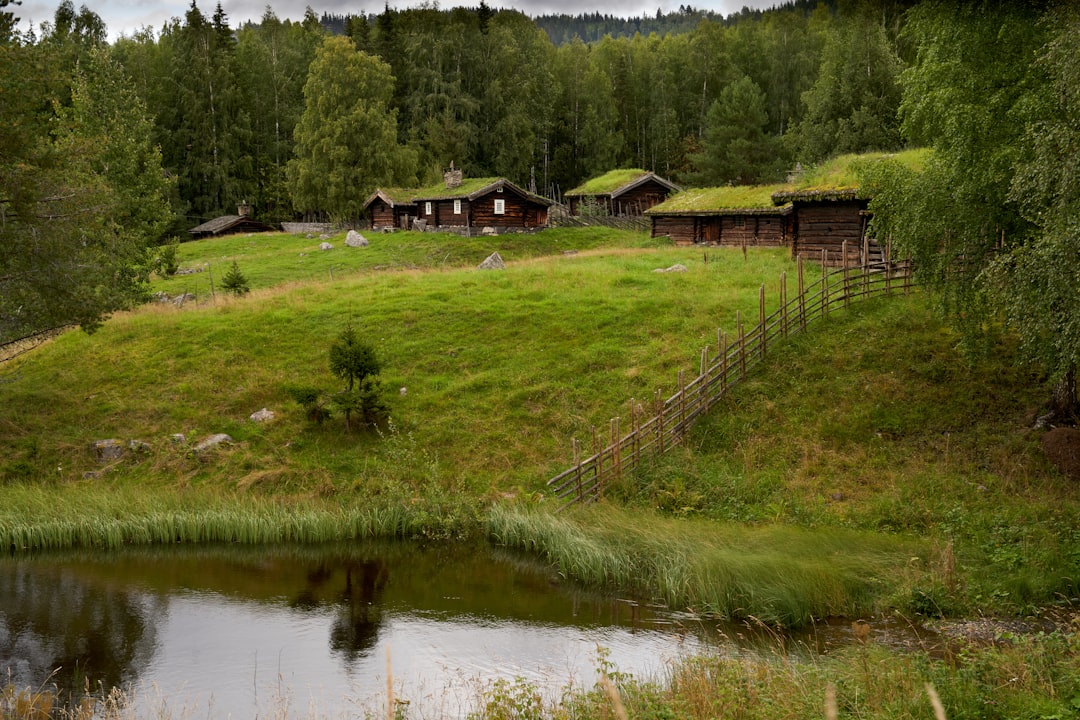
This region of central Mongolia is classified among the areas with the lowest levels of light pollution on the entire planet. Measurements on the Bortle scale — the international tool used by astronomers to classify the brightness of the night sky — place the steppes around Arvajhėėr consistently in classes 1 and 2, the darkest possible. In practical terms, this means that on moonless nights it is possible to clearly see not only the Milky Way, but also the Magellanic Clouds and dozens of deep-sky objects without any optical aid.
A sky that still belongs to the night
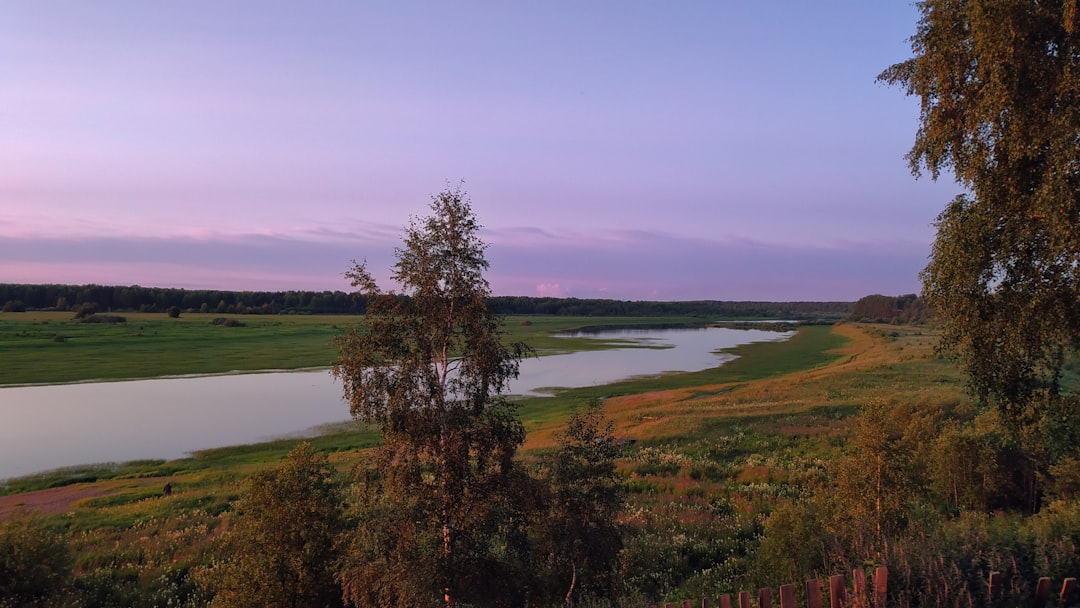
What makes Arvajhėėr different from other astrotourism sites in the world is the combination of altitude, dryness of the air, and distance from any significant urban center. The town itself has about 25,000 inhabitants — enough to have essential services, too few to generate a noticeable light halo. Surrounding it, for hundreds of kilometers, are pastures and stone deserts where the population density drops to less than one inhabitant per square kilometer.
The dry air of the Mongolian plateau — Arvajhėėr is located about 1,813 meters above sea level — minimizes atmospheric turbulence and humidity that elsewhere blur and distort the light of the stars. The result is extraordinary optical stability: the stars do not twinkle, they shine fixed and precise like points of light nailed to the black. Amateur observers who bring medium-sized telescopes report excellent seeing conditions for much of the year.
The ger camp and the nighttime experience in the steppe
The traditional accommodation for those coming to Arvajhėėr with the intention of observing the sky is the ger camp, the camp of circular felt tents that Mongolians have used for centuries as nomadic housing. Several local operators offer packages that include overnight stays in heated gers, dinners with products from the nomadic tradition — fermented mare's milk, mutton, dried cheeses — and guided observation sessions during the central hours of the night, generally between midnight and three in the morning, when the sky reaches its maximum darkness.
The inside of a ger is warm even when outside temperatures drop below zero, thanks to the central stove fueled by wood or dried dung. Going out into the starry night wearing the deel, the traditional Mongolian overcoat that some camps provide for guests, is an experience that combines cultural comfort with astronomical immersion. The distance between the bed and the open sky is literally just a few steps.
When to go and how to organize the trip
The best time for astronomical observation in Arvajhėėr is between July and September, when the nights are long enough and the nighttime temperatures, although cool, remain manageable even for those not accustomed to the Mongolian continental climate. In winter, the sky is often even clearer, but temperatures can drop to minus 30 degrees Celsius, making prolonged outdoor observation difficult without specialized equipment.
To reach Arvajhėėr from Ulaanbaatar, there are two main options: the paved road that covers about 430 kilometers in six to eight hours of off-road driving, or domestic flights operated by MIAT Mongolian Airlines and EZnis Airways on domestic routes, with a flight time of about one hour. The most important practical advice is to book the ger camp at least two weeks in advance during the summer season, when demand is high, and to check the lunar forecasts before setting the dates: full moon nights significantly reduce the visibility of fainter objects. Bringing a red light flashlight is essential to preserve night vision during observation sessions.
What to Observe in the Sky of Övörkhangai
On summer nights, the Milky Way stretches across the sky of Arvajhėėr from horizon to horizon with a density of stars that in photographs appears almost unreal. The galactic center, in the direction of the constellation Sagittarius, appears as a dense and structured luminous cloud, with lanes of dark dust visible to the naked eye. The Andromeda Nebula, M31, is clearly distinguishable as an elongated patch even without binoculars.
For those who bring binoculars or a small telescope, the possibilities multiply: the open star clusters of the Pleiades and Hyades, the nebulae of the Orion region visible in autumn nights, the planets crossing the ecliptic with disks visible even at low magnifications. The sky of Arvajhėėr is not a constructed tourist attraction: it is simply the sky, as it was before cities covered it with light.


