
← Back

Asmara, the capital of Eritrea, is one of the last places recognized as patriotic.

Asmara, Eritrea ★★★★☆ 1,412 views
Rania Gable
Asmara
🏆 AI Trip Planner 2026

Get the free app

Discover the best of Asmara with Secret World — the AI trip planner with 1M+ destinations. Get personalized itineraries, hidden gems and local tips. Free on iOS & Android.

🧠 AI Itineraries 🎒 Trip Toolkit 🎮 KnowWhere Game 🎧 Audio Guides 📹 Videos
Scan to download iOS / Android
Scan for AppGallery Huawei users

About Asmara, the capital of Eritrea, is one of the last places recognized as patriotic.

Asmara, the capital of Eritrea, is one of the last places recognized as patriotic. - Asmara | Secret World Trip Planner

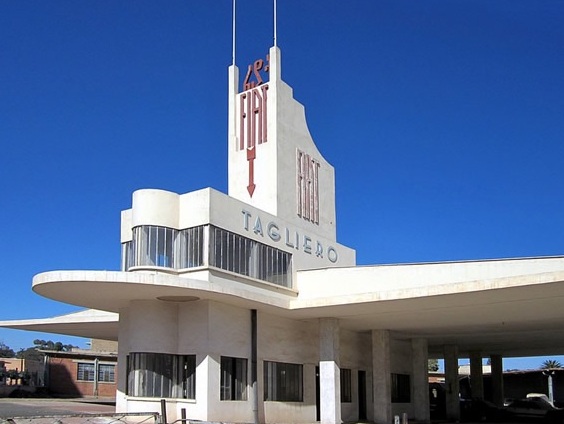
Asmara, the capital of Eritrea, is one of the last places recognized as a UNESCO World Heritage Site, chosen because it "represents probably the largest and most intact concentration of modernist architecture in the world." Seen from here, the special thing about Asmara is that it was designed by Italian architects in the 1930s, the period of Eritrea's greatest development during the time it was an Italian colony, which began in 1890, peaked under the fascist regime and ended in 1941. Asmara is still full of these buildings - there are about 400 of them, including private villas, pharmacies, cinemas, bars, gas stations and government buildings - which survived the time due to the isolation of the country during the Ethiopian occupation, and rediscovered in the 1990s after independence. Flipping through the photos of these buildings seems to lose oneself in a more colorful and dusty version of Latina and Sabaudia and some other scattered corners of Italy, from Rome to Milan.

Buy Unique Travel Experiences

Powered by Viator

See more on Viator.com

Frequently Asked Questions

Asmara was designated a UNESCO World Heritage Site because it represents the largest and most intact concentration of modernist architecture in the world. The city contains approximately 400 well-preserved buildings designed by Italian architects during the 1930s Italian colonial period, including villas, cinemas, bars, and government buildings that survived due to Eritrea's isolation during Ethiopian occupation.
Asmara was designed and developed by Italian architects during the 1930s when Eritrea was an Italian colony that began in 1890 and peaked under the fascist regime before ending in 1941. This period marked Eritrea's greatest development, resulting in the distinctive Italian modernist architectural style that defines the city today.
Asmara contains approximately 400 modernist buildings designed in the Italian style, including private villas, pharmacies, cinemas, bars, gas stations, and government buildings. These structures have remained largely intact and were rediscovered internationally in the 1990s following Eritrea's independence after the Ethiopian occupation.
During Ethiopia's occupation of Eritrea, Asmara's Italian modernist buildings were largely preserved due to the country's geographical and political isolation from the outside world. This isolation paradoxically protected the architectural heritage, allowing the buildings to survive relatively unchanged until they were rediscovered in the 1990s after Eritrea gained independence.
Asmara's architecture closely resembles Italian cities like Latina and Sabaudia, with a more colorful and dusty aesthetic that evokes corners of Italy from Rome to Milan. The city essentially represents a well-preserved snapshot of 1930s Italian modernist design transplanted to the African continent.