



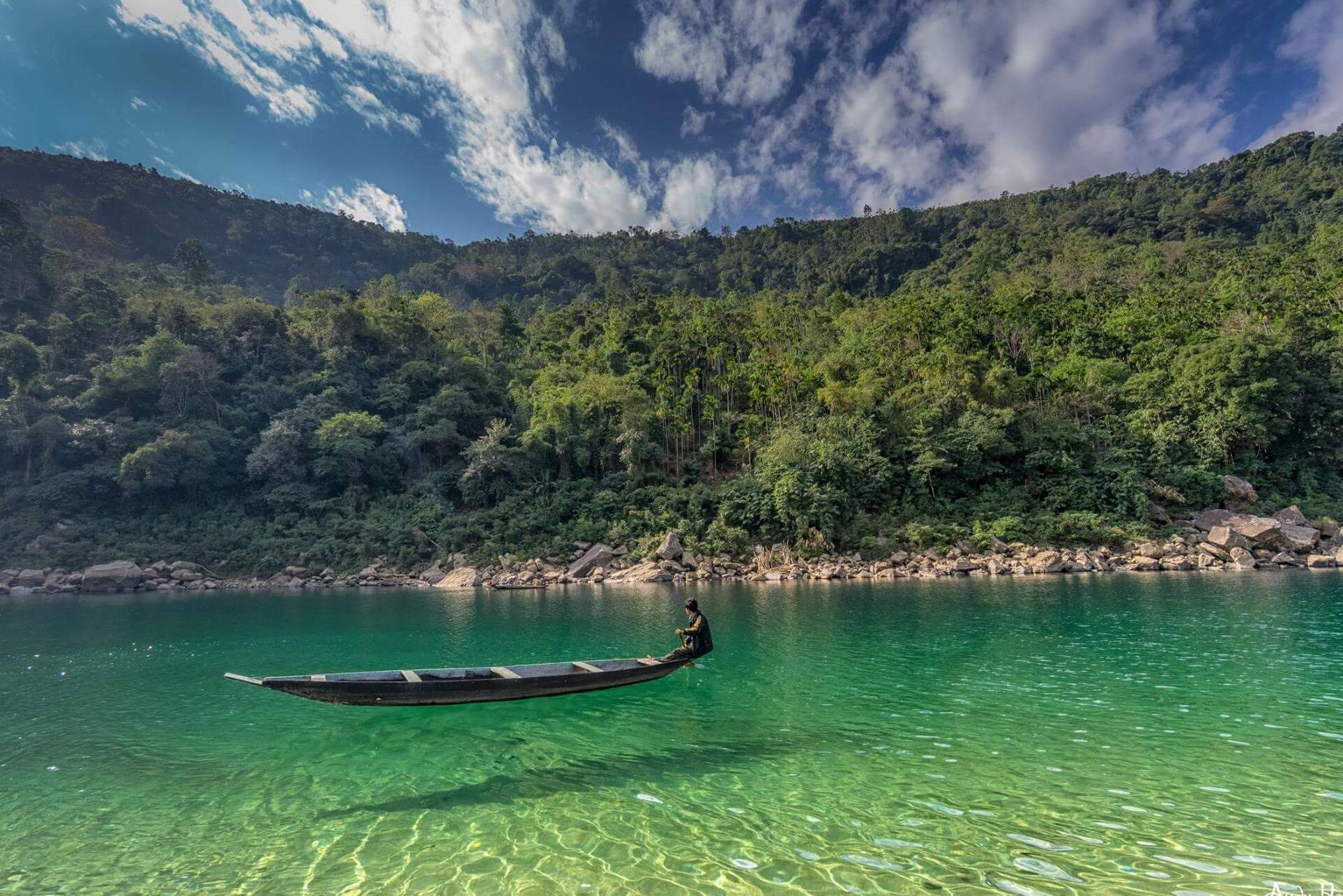
Nestled in the lush embrace of Northeast India, Meghalaya, aptly named the 'Abode of the Clouds', offers an enchanting mix of natural beauty, rich history, and vibrant culture. This mesmerizing state, once part of Assam, is renowned for its breathtaking landscapes and is home to Cherrapunji, one of the wettest places on earth. As you venture into Meghalaya, prepare to be entranced by the verdant hills that seem to touch the skies.
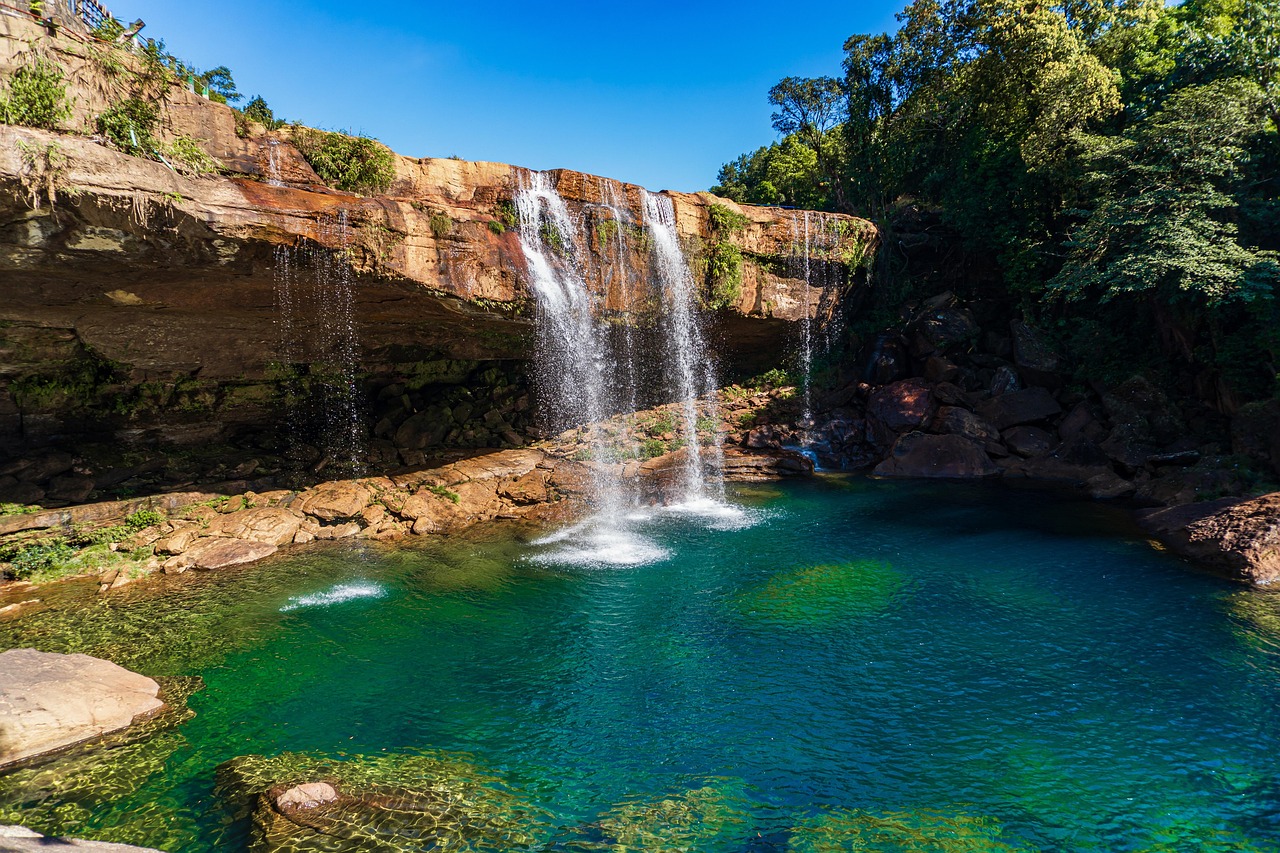
History and Origins The history of Meghalaya is as misty and layered as its landscapes. Initially a part of Assam, Meghalaya achieved statehood on January 21, 1972. However, its roots stretch much deeper. The region was traditionally ruled by tribal kingdoms, with the Khasis being one of the earliest inhabitants, believed to have migrated from Southeast Asia. The British colonial period saw these hills becoming a part of the Indian empire, yet they retained a distinct identity due to their unique matrilineal society and customs.
Art and Architecture Meghalaya's architectural landscape is dotted with traditional Khasi houses, characterized by their sloped roofs made from locally sourced materials like bamboo and thatch. Significant structures include the Shillong Cathedral, which showcases a blend of Gothic and indigenous styles. Art in Meghalaya is deeply intertwined with its folklore; vibrant Khasi weaving and bamboo crafts reflect the harmonious relationship between the people and their environment.
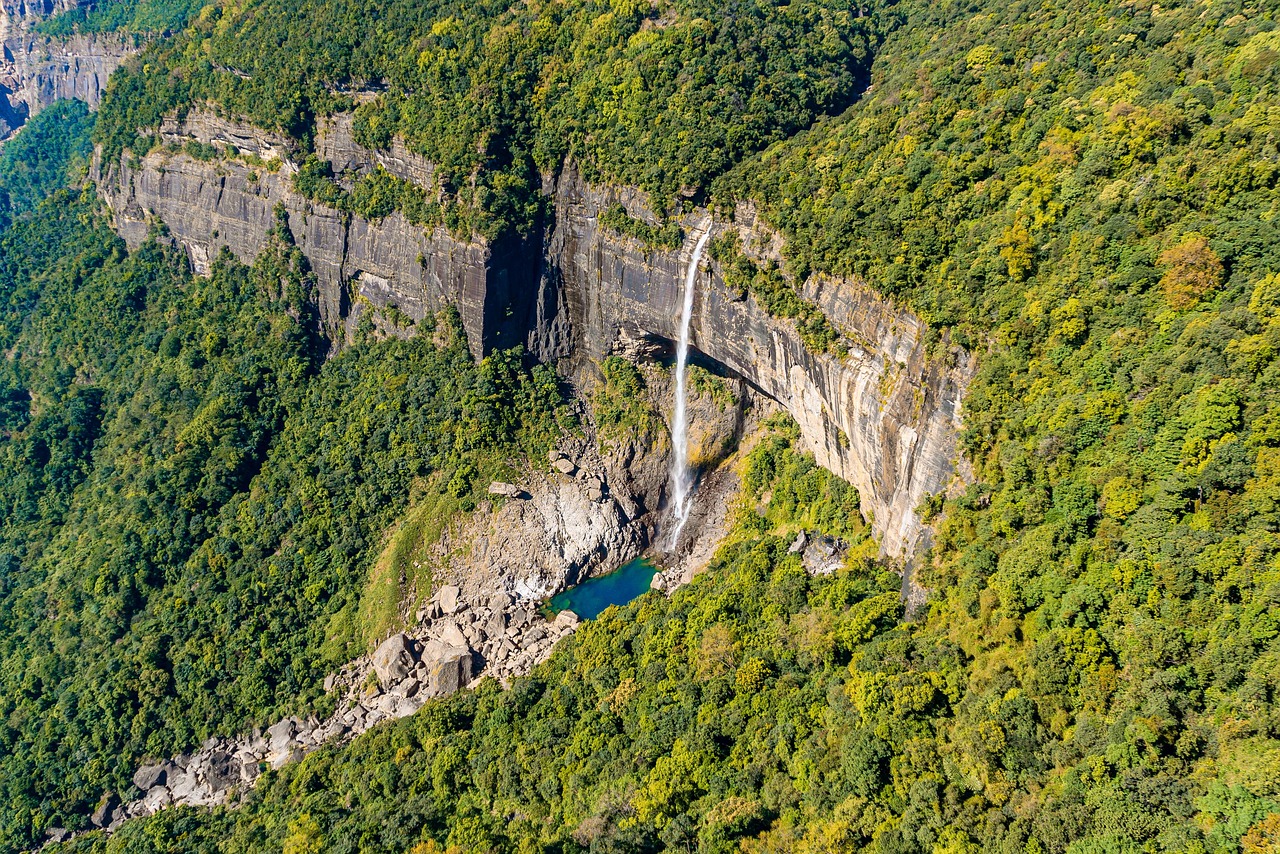
Local Culture and Traditions The culture in Meghalaya is a tapestry of tribal traditions and customs. The Nongkrem Dance Festival is a spectacular display of the Khasi culture, where the community gathers to offer thanks for a bountiful harvest. The Wangala Festival of the Garos is another vibrant celebration, marking the end of the agricultural season. These festivals are not just cultural expressions but are pivotal for community bonding and the preservation of their rich heritage.
Gastronomy The cuisine of Meghalaya is as rich and diverse as its culture. Dishes like Jadoh, a spicy rice and meat dish, and Dohneiiong, a pork dish cooked with black sesame, offer a glimpse into the local palate. Fermented foods and bamboo shoots are staples, while Kyat, a local rice beer, is a must-try for those wanting to experience traditional Khasi hospitality.
Lesser-known Curiosities Beyond the popular tourist trails, Meghalaya hides fascinating secrets. The living root bridges, ingeniously woven by the Khasi tribes, are architectural marvels that blend nature and human ingenuity. The Mawlynnong Village, often dubbed as Asia's cleanest village, showcases the community's commitment to sustainable living. Moreover, Meghalaya is home to the Mawsmai Cave, a natural limestone formation that offers a glimpse into the region's geological history.
Practical Visitor Information The best time to visit Meghalaya is from October to April, when the weather is pleasant, and the skies are clearer. For those who love monsoons, June to September provides a different kind of thrill as the rains drape the hills in lush greenery. Visitors should pack accordingly for the unpredictable weather and be ready for an adventure in the rugged terrains. Always respect local customs, especially when visiting tribal areas, and engage with the communities to enrich your travel experience.
Prepare for an unforgettable journey through Meghalaya and Assam by planning your personalized itinerary with the Secret World app.
