



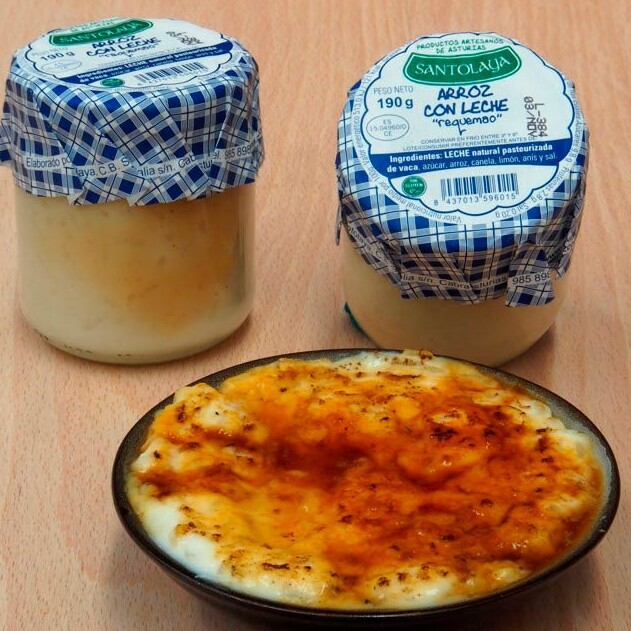
Nestled in the lush landscapes of Asturias, the traditional Asturian rice pudding (arroz con leche) is not just a dessert; it’s a culinary narrative steeped in history, culture, and family traditions. This beloved dish represents the heart of Asturian cuisine, characterized by its creamy texture and rich flavors, primarily derived from locally sourced ingredients.
### History and Origins The origins of rice pudding can be traced back to ancient civilizations, but the Asturian rice pudding has evolved over centuries into a beloved staple of Asturian gastronomy. The region of Asturias, located in northern Spain, has a rich agricultural history, with rice cultivation taking root in the 17th century. The introduction of rice in Spain is credited to the Moors, who brought the grain from their conquests in the Mediterranean. Over the years, the Asturians have adopted this ingredient, turning it into a cherished dessert that has been passed down through generations.
### Art and Architecture Asturias is renowned for its stunning architecture, which reflects a blend of styles influenced by its rich history. The Romanesque churches, such as San Julián de los Prados, showcase intricate stone carvings that narrate biblical stories. The architectural significance of the region provides a backdrop to the preparation of traditional dishes like rice pudding, as culinary practices are often intertwined with the local cultural identity. Artistic representations of food are also found in local festivals, where traditional desserts are typically featured.
### Local Culture and Traditions In Asturias, food is not merely sustenance; it is a celebration of life and community. The Fiesta de la Sidra (Cider Festival) held in Gijón is a prime example, celebrating the region's famous cider alongside Asturian delicacies, including rice pudding. During this festival, locals gather to share stories and laughter, reinforcing the cultural importance of communal dining. Traditional family gatherings often feature rice pudding as a dessert, symbolizing warmth and nostalgia.
### Gastronomy The Asturian rice pudding is a testament to the region's agricultural bounty. The pudding is made using special dessert rice, which is known for its ability to absorb milk while maintaining a perfect texture. The essential ingredients include fresh cow’s milk, sugar, cinnamon, and lemon zest, all of which contribute to the dessert's creamy profile. Unlike many variations found globally, the Asturian version is characterized by its loose grains and rich, custard-like consistency, making it a comforting finale to any meal. Pair it with a glass of Asturian cider for an authentic experience.
### Lesser-known Curiosities One unique aspect of Asturian rice pudding is its association with family recipes. Many families have their own secret twists—such as a hint of vanilla or a touch of orange zest—that make their version distinctly personal. Additionally, in some villages, it is customary for mothers to prepare rice pudding on the eve of a child’s birthday, believing it brings good luck and blessings. This connection between food and familial love adds a layer of depth to the seemingly simple dish.
### Practical Visitor Information The best time to visit Asturias is during the late spring and early autumn months, when the weather is mild, and local produce is at its peak. While in the region, seek out local bakeries and traditional restaurants to taste authentic Asturian rice pudding. Look for establishments that prioritize local ingredients and follow traditional recipes for the most genuine experience. Engaging with locals can also lead to discovering hidden gems where the best versions of this dessert are crafted.
Embrace the culinary richness of Asturias by savoring its iconic rice pudding, a dish that tells the story of its people and their traditions. For a tailored exploration of this beautiful region and its culinary delights, consider using the Secret World app to create your personalized itinerary.
