
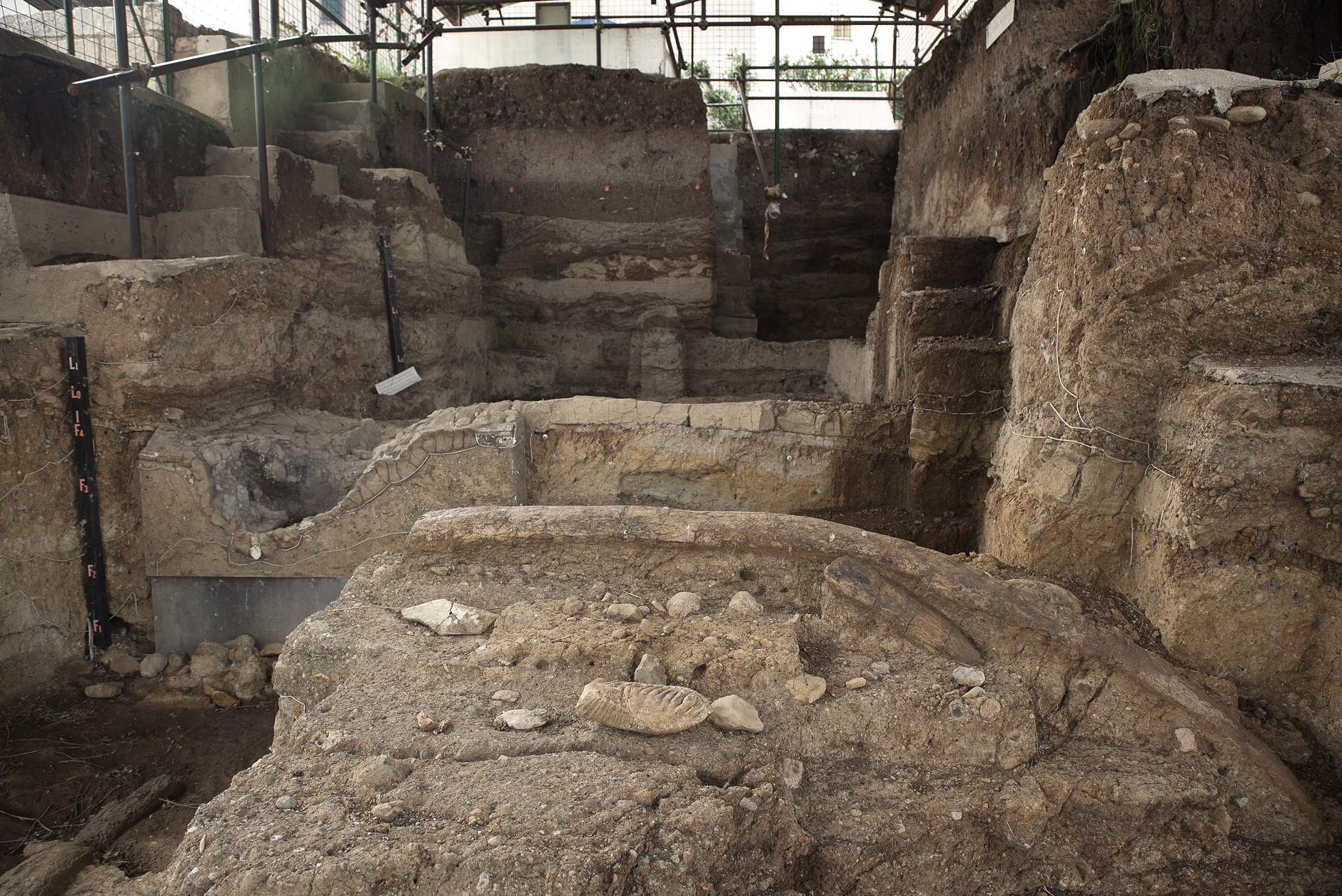

Nestled in the heart of Basilicata, Italy, Atella is a town that whispers the tales of ancient civilizations and the Paleolithic era. The area, rich in history, reveals traces of human existence dating back to approximately 600,000 - 650,000 years ago. This timeline is fascinating and significant, as it coincides with the presence of a paleolago, or ancient lake, that thrived in what is now known as Valle di Vitalba for around 50,000 years. The discovery made by paleontologist Eduardo Borzatti von Lowestem and his team is monumental; they uncovered remains of ancient elephants and uros, as well as fossilized footprints that provide insights into the hunting strategies of Homo erectus. These findings not only illuminate the distant past but also enrich our understanding of human evolution and survival tactics in a prehistoric landscape.
Art and Architecture Despite its ancient roots, Atella is not just a relic of the past; it possesses a blend of historical and modern architectural styles. The town is characterized by stone houses with terracotta roofs, reflecting traditional Italian craftsmanship. Notable structures include the Church of Santa Maria Assunta, a beautiful example of local ecclesiastical architecture that dates back to the 11th century. Its intricate frescoes and stone carvings tell stories of faith and community that have persisted through the ages. The juxtaposition of ancient ruins and contemporary life offers visitors a unique glimpse into how Atella has evolved while still honoring its historical significance.
Local Culture and Traditions The cultural tapestry of Atella is woven with rich traditions and customs that have been passed down through generations. The town’s annual festival, Festa di San Rocco, held in August, is a vibrant celebration that attracts locals and visitors alike. It features processions, traditional music, and communal feasts, showcasing the warmth and community spirit of the people. The festival is not just a religious observance; it is a time for families to gather, and for the community to celebrate its heritage through dance, food, and shared stories. Local artisans often display their crafts during this time, offering handmade goods that reflect the town’s artistic spirit.
Gastronomy No visit to Atella is complete without indulging in its culinary delights. The local cuisine is a testament to the rich agricultural heritage of the region. One must try lagane e ceci, a traditional dish made from handmade pasta and chickpeas, typically seasoned with garlic and olive oil. Another local favorite is caciocavallo, a semi-hard cheese that pairs beautifully with the region’s robust wines, notably Aglianico del Vulture. For dessert, pittule, small fried dough balls often served with honey, offer a sweet conclusion to any meal. The flavors of Atella are deeply rooted in its land, reflecting the natural bounty and the passion of its people.
Lesser-known Curiosities While many may flock to the more commonly known attractions, Atella holds its own set of hidden gems. One fascinating aspect is the Palaeolithic Elephant Tusk discovered in the area, which has become a symbol of the town's ancient past. Additionally, the findings of footprints of an elephant, trapped in the mud, provide a rare glimpse into the lives of early humans—how they interacted with massive wildlife in their quest for survival. This unique connection to the distant past is often overlooked, yet it offers profound insights into our shared history. The local community also engages in storytelling sessions, where elders pass down tales of their ancestors, further enriching the cultural fabric of Atella.
Practical Visitor Information The best time to visit Atella is during the late spring or early autumn months, when the temperatures are mild and the natural beauty of the surrounding landscape is at its peak. Visitors should explore the archaeological sites and the Church of Santa Maria Assunta for a deeper understanding of the town’s history. Don’t forget to wander through the narrow streets, where local shops sell handmade artisanal products. For those interested in the Paleolithic findings, a visit to the excavation sites can provide a tangible connection to the ancient world. Make sure to wear comfortable shoes, as the terrain can be uneven.
In planning your visit, consider using the Secret World app to create a personalized itinerary that captures the essence of Atella and its remarkable history.


