



As the sun rises over the serene landscape of Aundha Nagnath, a small town in Maharashtra's Hingoli district, the majestic Aundha Nagnath Temple emerges from the morning mist, its ancient stones whispering tales of devotion and history. Believed to be one of the twelve Jyotirlingas—sacred abodes of Lord Shiva—the temple is a revered pilgrimage site that draws thousands of devotees seeking spiritual solace and a glimpse into India's rich cultural tapestry.
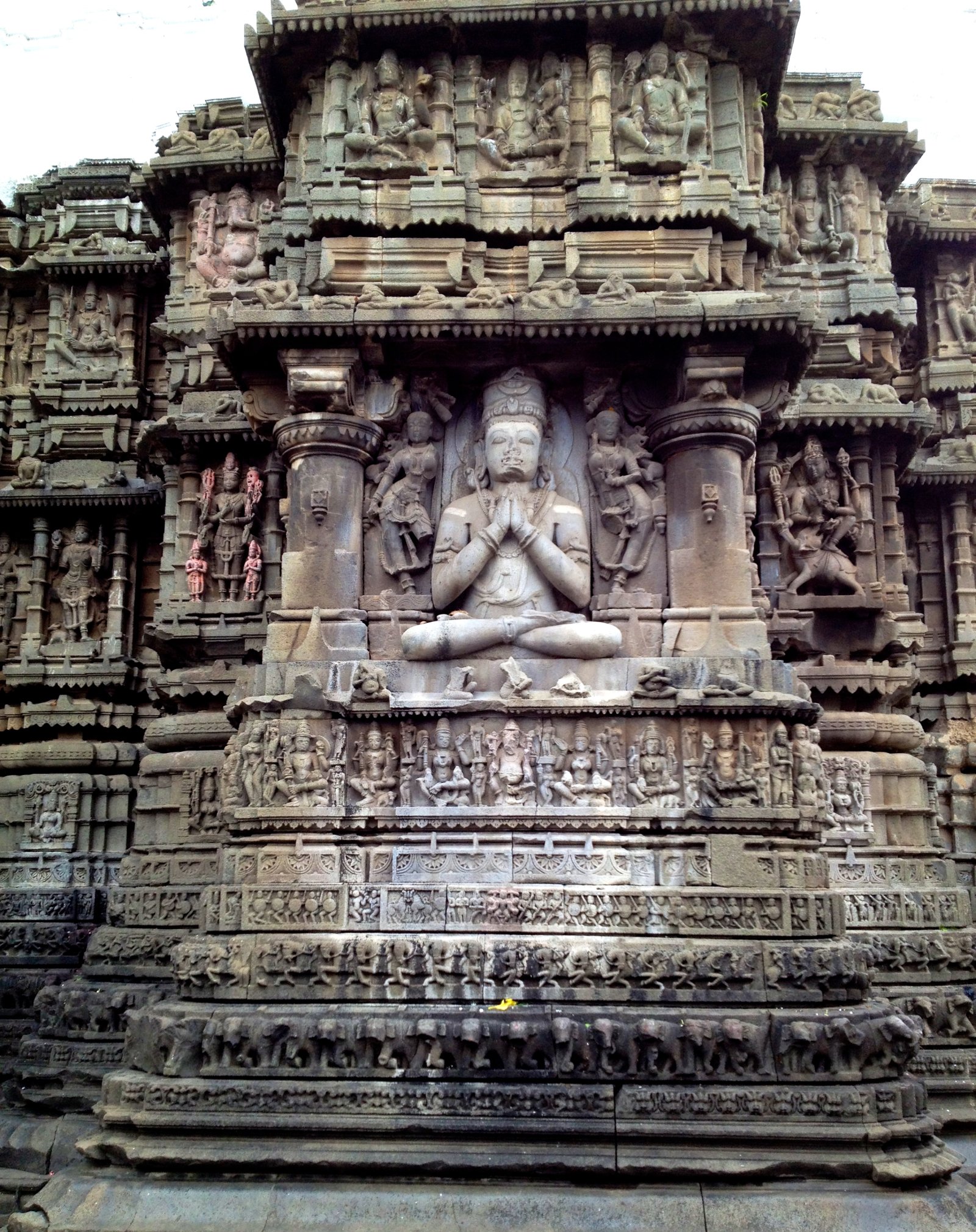
The history of Aundha Nagnath is steeped in antiquity, with legends suggesting its origins date back to the time of the Pandavas from the epic Mahabharata. Originally constructed by Yudhishthira, the eldest of the Pandavas, the temple is said to have been a place of worship for over 3,000 years. It has withstood the test of time, surviving invasions and natural calamities, with the most significant reconstruction attributed to the 13th-century Yadava dynasty. This restoration has imbued the temple with its current architectural splendor.
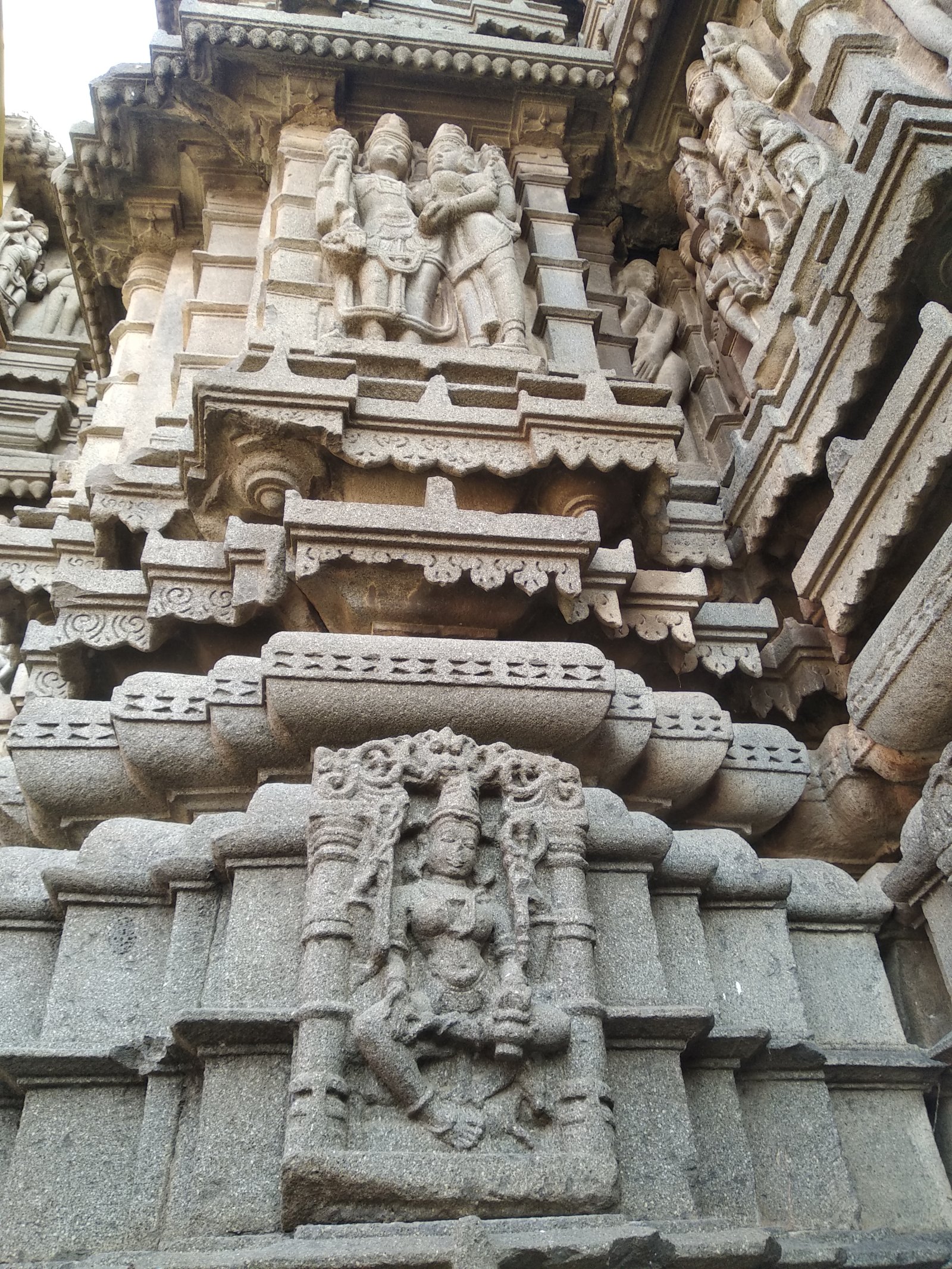
The temple's architecture is a breathtaking blend of Hemadpanthi style, named after the prime minister of the Yadava dynasty, Hemadri Pandit. This style is characterized by its intricate stone and lime constructions, requiring no mortar. The temple's exterior is adorned with exquisite carvings of mythological figures and symbols. Inside, the sanctum sanctorum houses the revered Shiva Lingam, surrounded by ornate pillars and ceilings that display expert craftsmanship. Each carving tells a story, from the cosmic dance of Shiva to the life cycles depicted in Hindu scriptures.
Stepping beyond the temple walls, visitors are immersed in the vibrant local culture of Aundha Nagnath. The town's life revolves around the temple and its religious calendar. One of the most significant festivals celebrated here is Mahashivratri, a night dedicated to Shiva, marked by fervent prayers, fasting, and all-night vigils. The festival is a kaleidoscope of colors, sounds, and fragrances, with devotees chanting hymns and offering flowers and sweets to the deity. Another notable festival is Nag Panchami, where serpents, considered close to Lord Shiva, are worshipped.
No visit to Aundha Nagnath is complete without indulging in its gastronomy, which offers a taste of traditional Maharashtrian cuisine. Local eateries serve a variety of dishes, including Bharli Vangi, a spicy stuffed eggplant dish, and Puran Poli, a sweet flatbread filled with lentils and jaggery. To refresh the palate, try a glass of Taak, a spiced buttermilk that complements the flavors of the region perfectly.
While the temple's grandeur is well known, few visitors are aware of the lesser-known curiosities that add to its mystique. For instance, the temple is said to house a secret passage leading to the Trimbakeshwar temple in Nashik, though its existence remains shrouded in mystery. Additionally, the temple's design is such that the first rays of the sun illuminate the Shiva Lingam, a testament to the ancient architects' advanced understanding of astronomy.
For those planning a visit, the best time to visit Aundha Nagnath is during the winter months, from October to February, when the weather is pleasant. It's advisable to arrive early in the morning to witness the temple rituals in their full splendor and to avoid the crowds that gather as the day progresses. Remember to dress modestly, as this is a place of worship, and be prepared to leave your shoes at the entrance.
As you explore the temple and its surroundings, take a moment to absorb the tranquil atmosphere and the profound sense of history that envelops Aundha Nagnath. Whether you're a spiritual seeker or a history enthusiast, this ancient temple offers a glimpse into the heart of India's cultural and religious heritage, promising an experience that lingers long after your visit has concluded.
