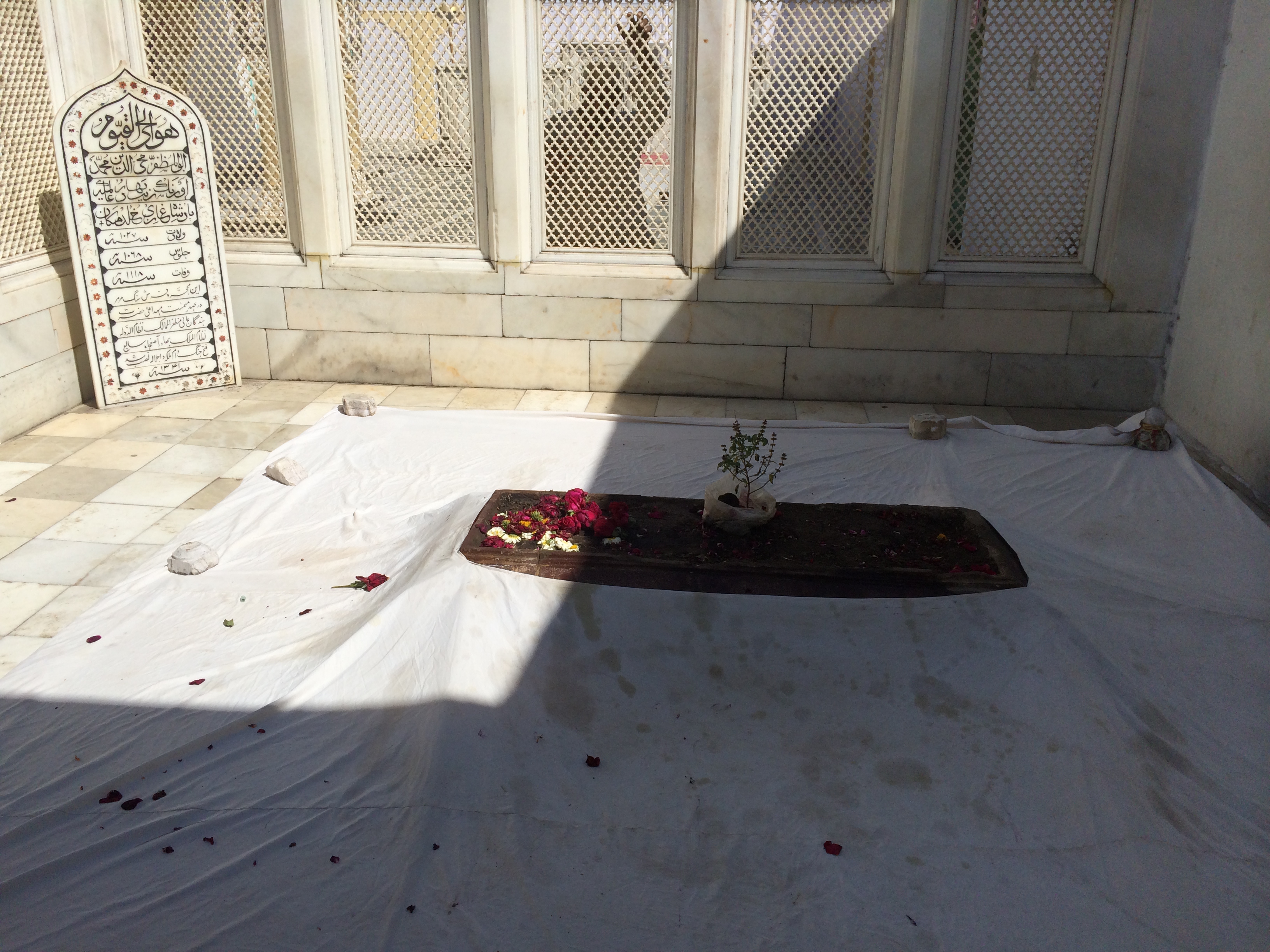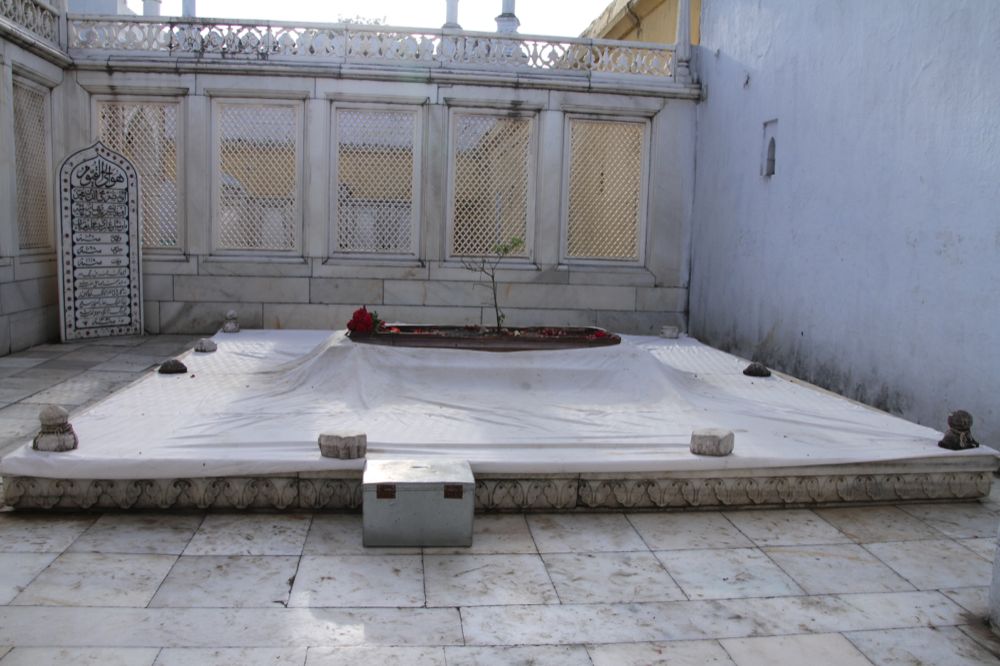

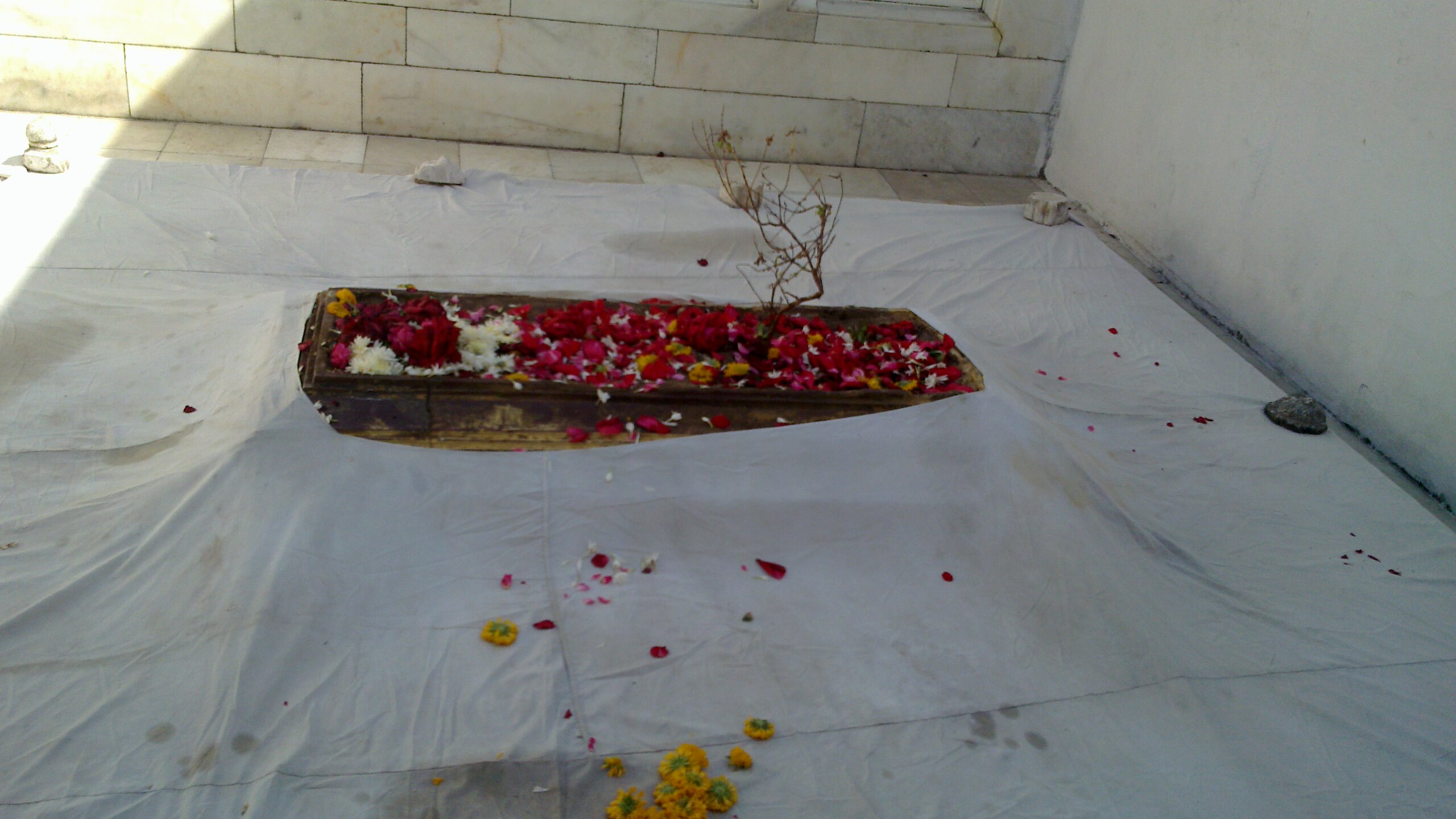
In the heart of Khuldabad, India, lies a site of profound historical resonance and spiritual significance: the Tomb of Mughal Emperor Aurangzeb. Often referred to as Rauza, or paradise, this modest resting place is surrounded by the graves of esteemed Sufi saints, creating a tranquil pilgrimage site that draws countless visitors seeking both historical insight and spiritual solace.
### History and Origins
The tomb of Aurangzeb, one of the most controversial figures in Indian history, reflects his austere lifestyle and religious devotion. After a tumultuous reign from 1658 to 1707, Aurangzeb chose to be buried in Khuldabad, an area rich with spiritual significance due to its association with numerous Sufi saints. The simplicity of his tomb—marked by a plain, open-air enclosure—stands in stark contrast to the grand mausoleums of his predecessors. This humility was by design, as Aurangzeb wished his tomb to be modest, funded by the meager income he earned from stitching caps.
### Art and Architecture
The architectural style of Aurangzeb's tomb is distinct in its simplicity, a deliberate departure from the elaborate Mughal architecture seen in structures like the Taj Mahal. The tomb is an unadorned, open-air platform made of bare earth, covered by a white sheet, symbolizing the emperor's austere life and deep faith. Surrounding the tomb are the intricately carved graves of Sufi saints, showcasing fine craftsmanship typical of the Mughal era, with delicate floral motifs and inscriptions in Persian.
### Local Culture and Traditions
Khuldabad, often dubbed the 'Valley of Saints', is a focal point for Sufi traditions in India. The area hosts several urs festivals, celebrating the anniversaries of revered saints, drawing pilgrims from across the Indian subcontinent. These gatherings are vibrant displays of devotion, featuring qawwali music, communal prayers, and shared meals, deeply rooted in the local culture. The city’s spiritual atmosphere is enhanced by its numerous dargahs (shrines), adding layers of cultural richness to any visit.
### Gastronomy
While in Khuldabad, one cannot miss indulging in the local Hyderabadi cuisine, renowned for its aromatic flavors and rich textures. Dishes like biryani, made with saffron-infused rice and spiced meats, reflect the Mughal influence on regional culinary traditions. Visitors should also try nihari, a slow-cooked stew, and sheer khurma, a sweet vermicelli pudding often prepared during local festivals.
### Lesser-Known Curiosities
A lesser-known fact about Aurangzeb's tomb is its connection to the Dakani Sufi tradition, which significantly influenced the spiritual landscape of the Deccan Plateau. The tomb is not only a memorial to a powerful emperor but also a testament to the enduring cultural syncretism of the region. Another intriguing detail is the nearby Ellora Caves, a UNESCO World Heritage Site, which provides a vivid glimpse into the region's ancient rock-cut architecture, just a short distance from the tomb.
### Practical Visitor Information
The best time to visit Khuldabad is during the cooler months from November to February, when the weather is pleasant for exploring. Early morning visits offer a serene experience, with less crowd and a chance to witness the morning rituals at the nearby dargahs. Remember to dress modestly and respectfully, as the site holds religious significance. Keep an eye out for local guides who can share enriching stories about the area’s historical and spiritual context.
For a personalized itinerary to explore Khuldabad’s rich history and culture, consider using the Secret World app to plan your visit.