


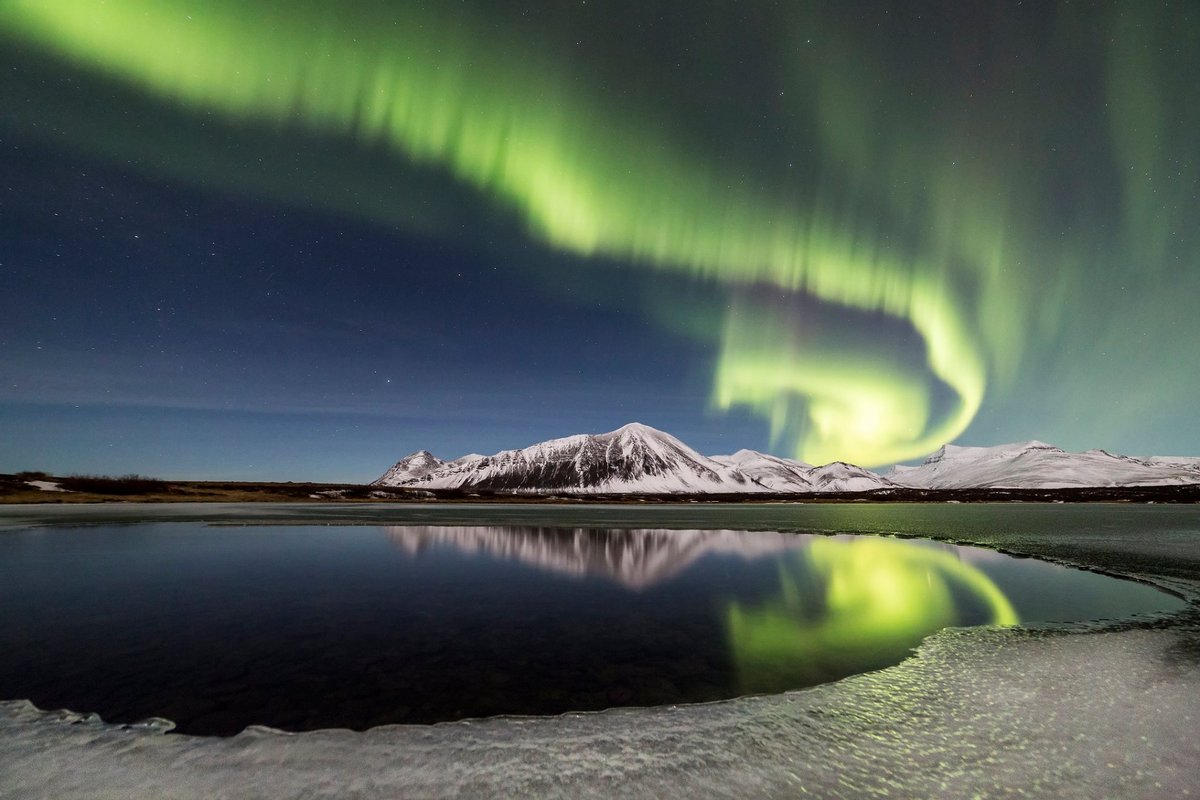
Imagine standing under a celestial ballet of vibrant colors dancing across the night sky—a phenomenon so mesmerizing that it has inspired myths and legends for millennia. The Aurora Borealis, or Northern Lights, in Iceland is not just a visual spectacle but a journey through time, culture, and natural wonder.

The Northern Lights have been captivating humans since the dawn of history. Iceland's ancient sagas and Norse mythology refer to the auroras as reflections from the shields of the Valkyries, the warrior maidens serving Odin, the king of the gods. Historical records from 1230 mention the lights, indicating their longstanding presence in Icelandic lore. The scientific explanation came much later, in the 20th century, when scientists discovered that these lights are the result of solar wind particles colliding with the Earth’s magnetic field, creating luminescent displays in high-latitude regions.
Architecturally, Iceland's landscape during the aurora season becomes part of a living masterpiece. The country’s rugged terrain, punctuated by volcanic mountains and glacial sculptures, provides a dramatic foreground to the auroras' ethereal glow. Noteworthy is the Harpa Concert Hall in Reykjavik, whose glass facade mirrors the kaleidoscope of colors seen in the sky, blending art and nature seamlessly. This design, inspired by Iceland’s natural beauty, stands as a testament to the harmonious relationship between the country’s art and its environment.

Culturally, the auroras have woven themselves into the fabric of Icelandic traditions. Winter solstice festivals, such as the Þorrablót, celebrate the return of longer days and often coincide with aurora sightings. During these gatherings, locals pay homage to their Viking ancestors, enjoying traditional songs, dances, and stories passed down through generations. The lights are considered a good omen, believed to bring luck and prosperity, a sentiment carried forward into contemporary Icelandic culture.
No visit to Iceland would be complete without indulging in its unique gastronomy. The cold, clear waters surrounding Iceland are home to some of the world’s finest seafood. Enjoying a meal of freshly caught arctic char or harðfiskur (dried fish) while watching the auroras is an experience that feeds both body and soul. Pair these with a shot of Brennivín, a potent schnapps known as “the Black Death,” and you have a traditional Icelandic dining experience that warms against the chill of a northern night.
For those seeking a deeper connection to the auroras, there are curious tales and lesser-known facts that add layers to the experience. One such story suggests that whistling at the Northern Lights can invite them to dance more vigorously, though locals caution against it, fearing it might also attract bad spirits. Interestingly, Iceland is one of the few places where you might hear the auroras; some claim a faint crackling sound accompanies particularly vibrant displays, although this remains a subject of debate among scientists.
Planning a visit to see the Aurora Borealis in Iceland requires a bit of strategic timing. The best period is between late September and early April, when the nights are longest and skies are darkest. Rural areas, away from city lights, offer the best views; consider venturing to places like Thingvellir National Park or the Snaefellsnes Peninsula for prime aurora hunting grounds. Dress warmly in layers, as temperatures can drop significantly, and keep a flexible schedule to chase clear skies and active auroras.
While apps and forecasts can guide you to potential viewing nights, the unpredictability of the auroras is part of their allure. A crucial tip: patience is key. The Northern Lights can appear anytime between dusk and dawn, but the most spectacular displays often occur around midnight.
The Aurora Borealis in Iceland is much more than a natural phenomenon; it's a portal into the country's soul. Through its myths, art, traditions, and landscapes, the lights connect visitors to the timeless rhythms of the natural world, offering a glimpse into the mysteries that have fascinated humans for centuries. Whether you’re a first-time observer or a seasoned aurora chaser, Iceland’s Northern Lights promise an unforgettable journey into the heart of nature’s grandest spectacle.
