
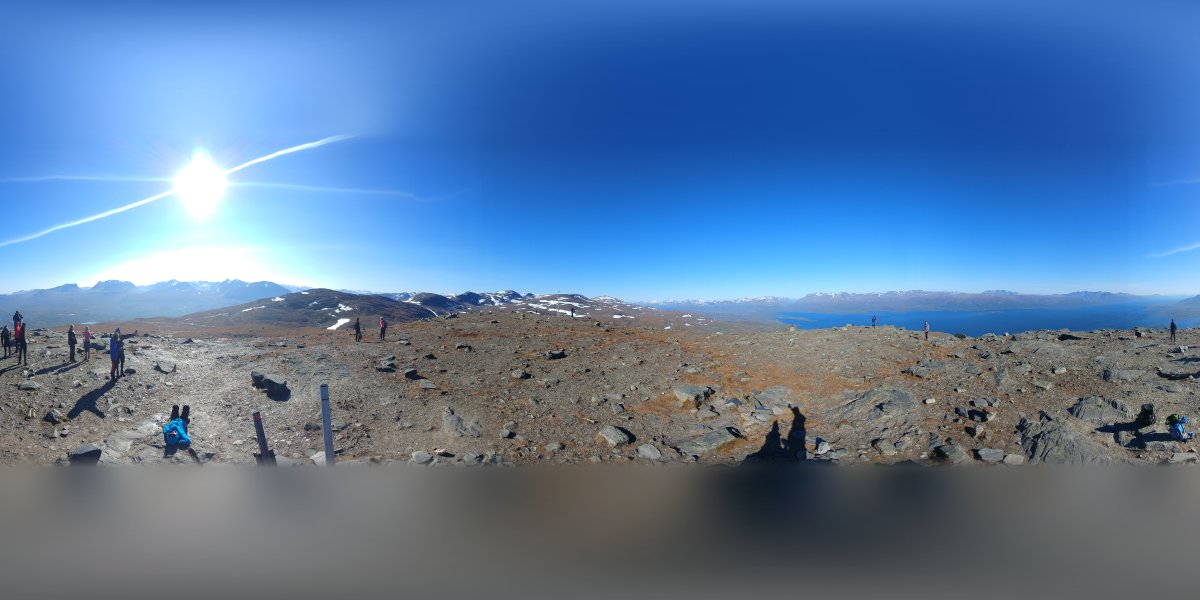

At almost 400 meters above sea level, a silent chairlift ascends into the Arctic darkness towards the summit of Mount Nuolja. At the top, the Aurora Sky Station awaits visitors with its large windows facing the sky. We are in the Abisko National Park, in Swedish Lapland, about 200 kilometers north of the Arctic Circle. Here, every winter, thousands of people make a modern pilgrimage to one of the few places on the planet where the chances of seeing the northern lights are statistically among the highest in Europe.
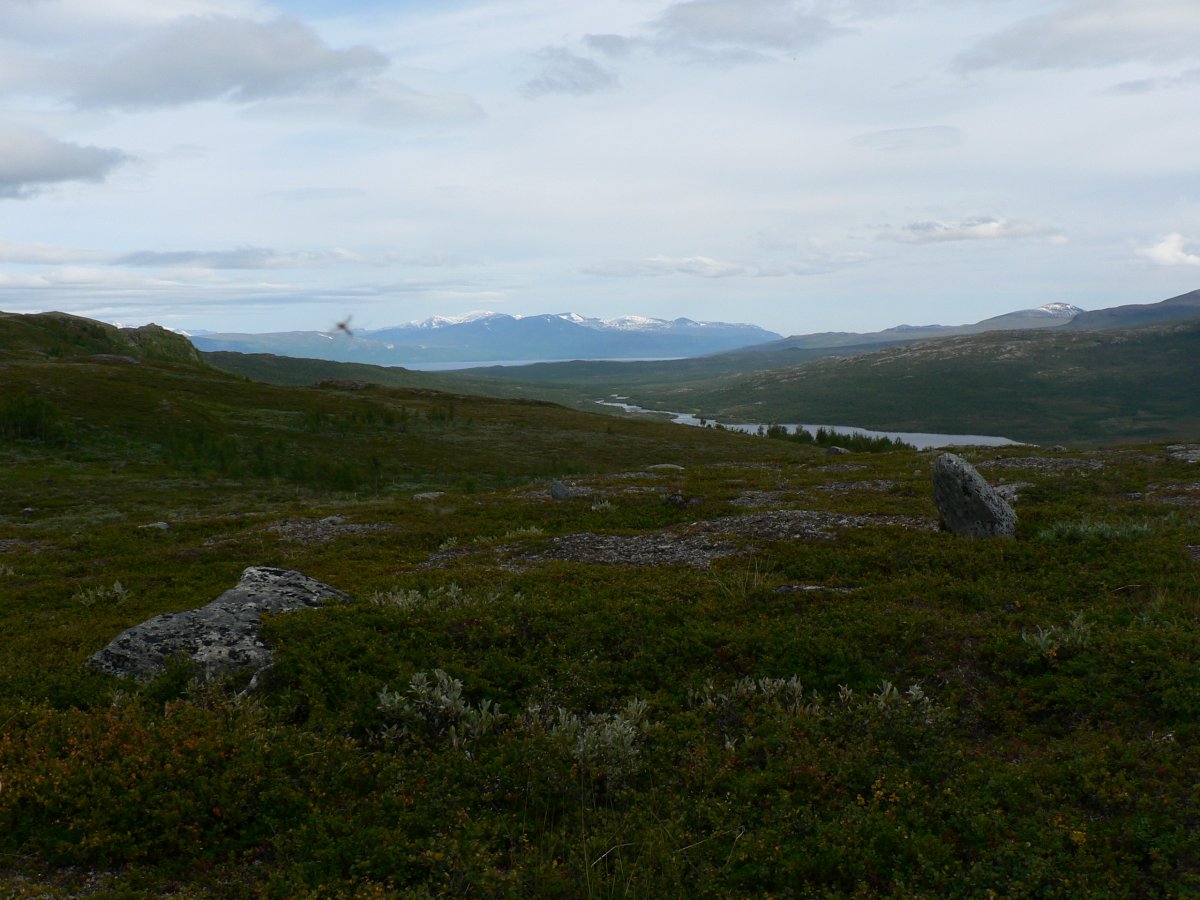
The secret of Abisko is not just its latitude. The park is located on the eastern edge of Lake Torneträsk, one of the largest lakes in Sweden, and this geographical position creates an extraordinary microclimate: the moist air masses coming from the Atlantic lose their humidity as they cross the Norwegian mountains, leaving the sky above Abisko often clearer than the rest of Lapland. Locals call this phenomenon the "blue hole of Abisko", an opening in the cloud cover that seems to open right above the valley with almost surprising frequency.
The chairlift to the Arctic sky
The Aurora Sky Station is accessible via a chairlift that departs directly from the STF Abisko Turiststation, the tourist station managed by the Svenska Turistföreningen, the Swedish tourist association founded in 1885. The chairlift, which covers about 900 meters of horizontal distance, operates during the winter months, generally from November to April, and the ticket to ascend includes access to the station at the top. Prices vary seasonally, but are generally around 400-500 Swedish kronor for an adult, including dinner or a hot drink.
Once at the top, the view that opens up is radically different from any other aurora hunting experience. The station has a heated room with large windows, but the real magic happens outside, on a terrace exposed to the Arctic wind, where visitors wait with their eyes fixed to the north. The station guides constantly monitor geomagnetic activity and alert the group when the chances of an aurora increase. On a lucky night, the sky fills with green curtains and, more rarely, violet or red.
The national park: more than just a stage for the auroras
The Abisko National Park was established in 1909, making it one of the oldest national parks in Sweden. It covers approximately 77 square kilometers and includes landscapes ranging from the shores of Torneträsk to the alpine tundras of Mount Nuolja. In summer, the park is traversed by the famous Kungsleden, the King's Trail, one of the most famous trekking routes in Scandinavia, whose northern starting point is located right in Abisko.
In winter, the landscape transforms completely. The dwarf birch trees bend under the weight of the snow, Lake Torneträsk freezes, and daylight is reduced to just a few hours of rosy twilight. It is in this season that the park reveals its most extreme and fascinating nature. Those who visit during the polar night period, between December and January, never see the sun rise above the horizon, but can experience that diffused orange light that lasts only an hour or two around noon.
How to get there and when to go
Abisko is surprisingly accessible for being so remote. The train Ofotbanen/Malmbanan, the railway line that connects Stockholm to Narvik in Norway passing through Kiruna, stops directly at the Abisko Turiststation station. The journey from Stockholm takes about 17-18 hours on an overnight train, but it is also possible to fly to Kiruna and then take the local train for about an hour.
The best season for the auroras is from September to March, with the months of October, November, and February offering a good balance between darkness, manageable temperatures, and potentially clear skies. December and January guarantee the longest nights, but temperatures can easily drop below -20°C. The most important practical advice is to book accommodation well in advance, at least three or four months ahead, especially for weekends: the STF Turiststation and private lodges in the area fill up quickly during the aurora season. Bringing plenty of thermal layers is essential: staying still outdoors for hours requires serious gear, not just urban hiking equipment.
The scientific station and the scientific context
In Abisko, there is also the Abisko Scientific Research Station, managed by the Royal Swedish Academy of Sciences, active since 1913. The station conducts research on the Arctic climate, tundra vegetation, and atmospheric phenomena. Its presence confirms that Abisko is not just a tourist destination, but a natural laboratory of international importance. For visitors, this means that the landscape observed is also an ecosystem that is studied and monitored closely, which adds a layer of meaning to every walk among the larches and birches of the park.


