

The gate with the inscription "Arbeit Macht Frei" — work sets you free — is the first thing seen upon entering the main camp of Auschwitz I. Those three words in wrought iron, installed by the prisoners themselves on the orders of the SS, brutally encapsulate the systematic deception on which the entire Nazi concentration camp system was built. Today, that gate is one of the most photographed objects and carries significant moral weight in Europe.
The Auschwitz-Birkenau complex, located near the city of Oświęcim, in southern Poland, was operational from 1940 to 1945. During those years, according to estimates by historians and international tribunals, at least 1.1 million people were killed there, the vast majority of whom were Jews deported from across occupied Europe. Since 1947, the site has been transformed into a museum and memorial by the Polish state, and in 1979 it was inscribed on the UNESCO World Heritage List.
The blocks of Auschwitz I: the permanent exhibitions
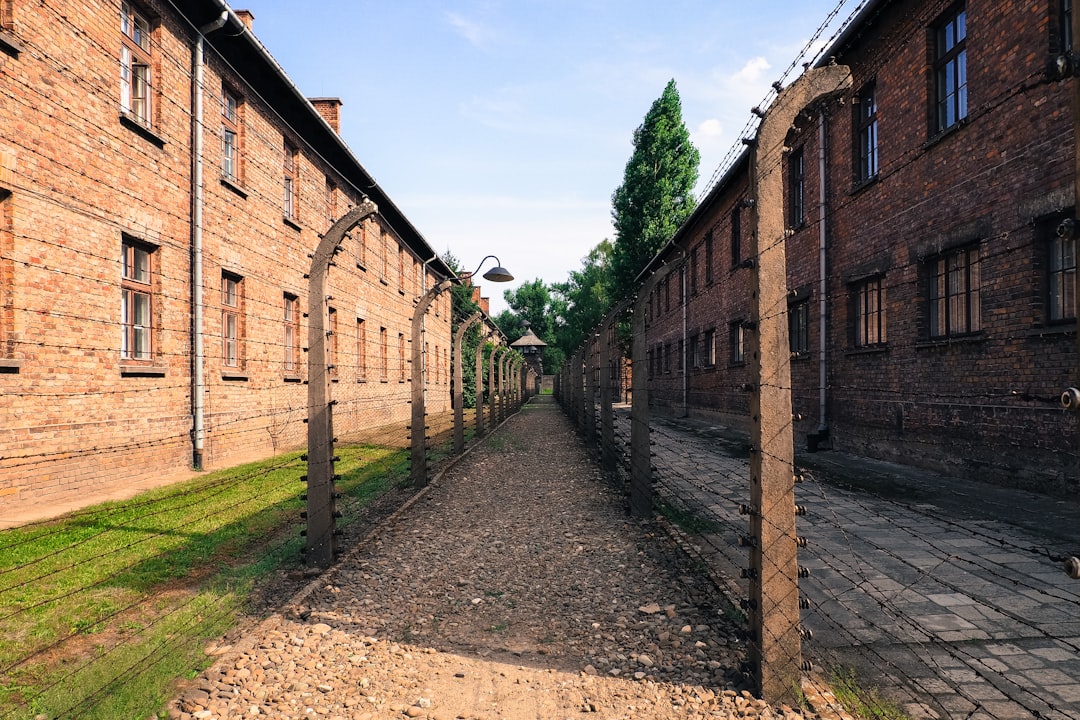
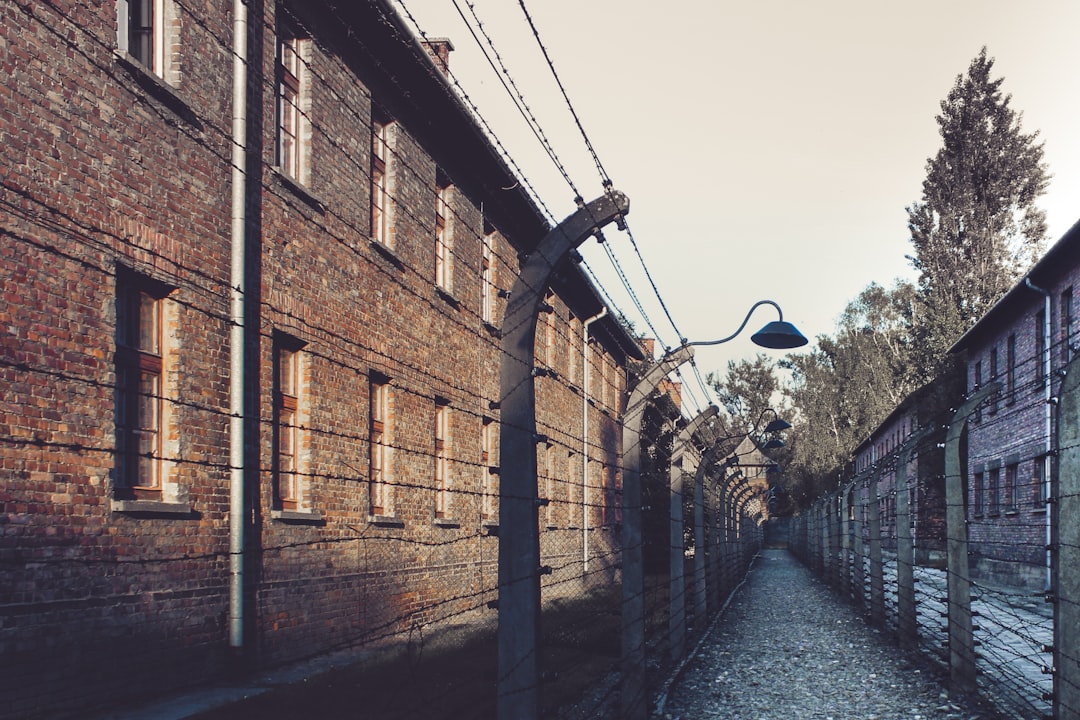
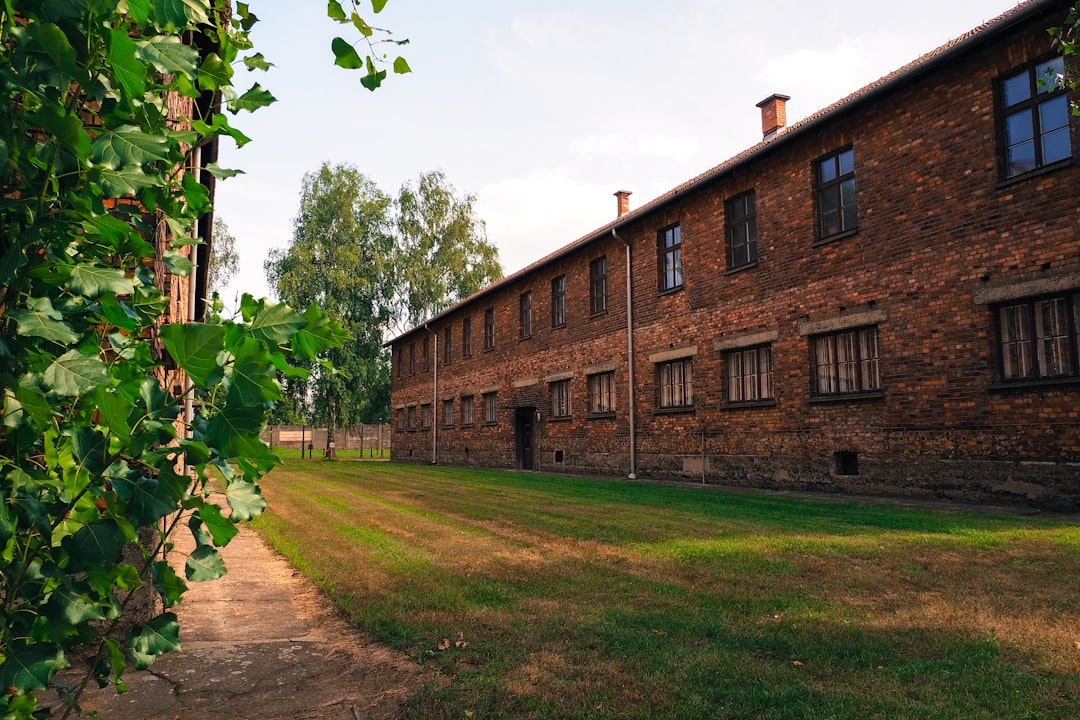
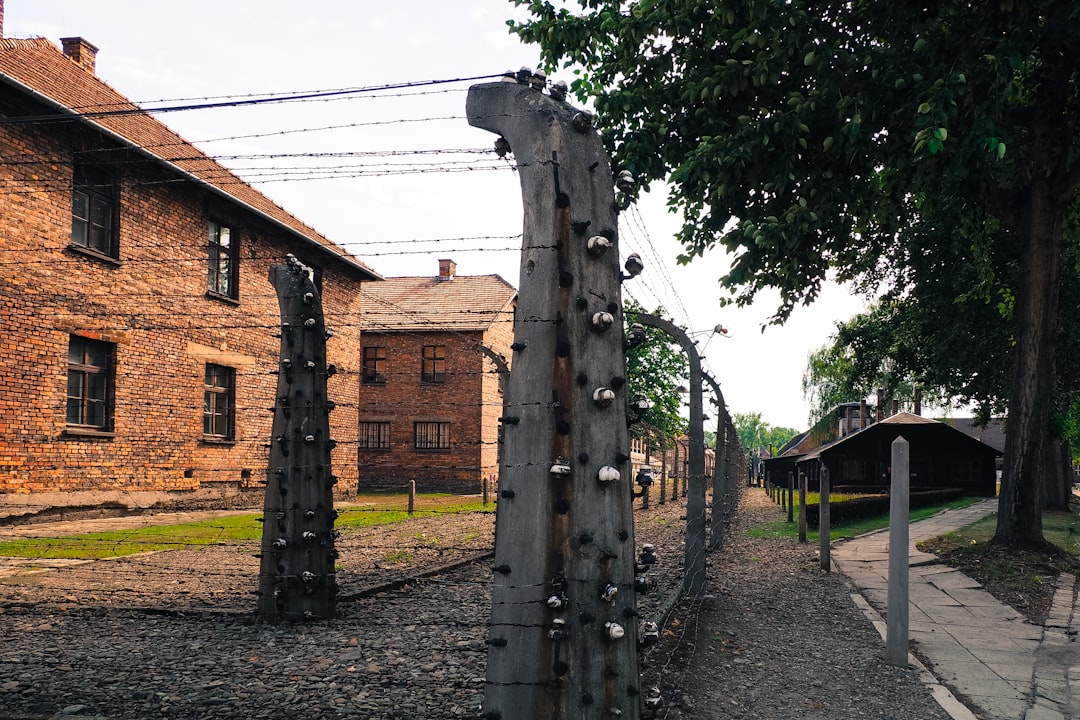
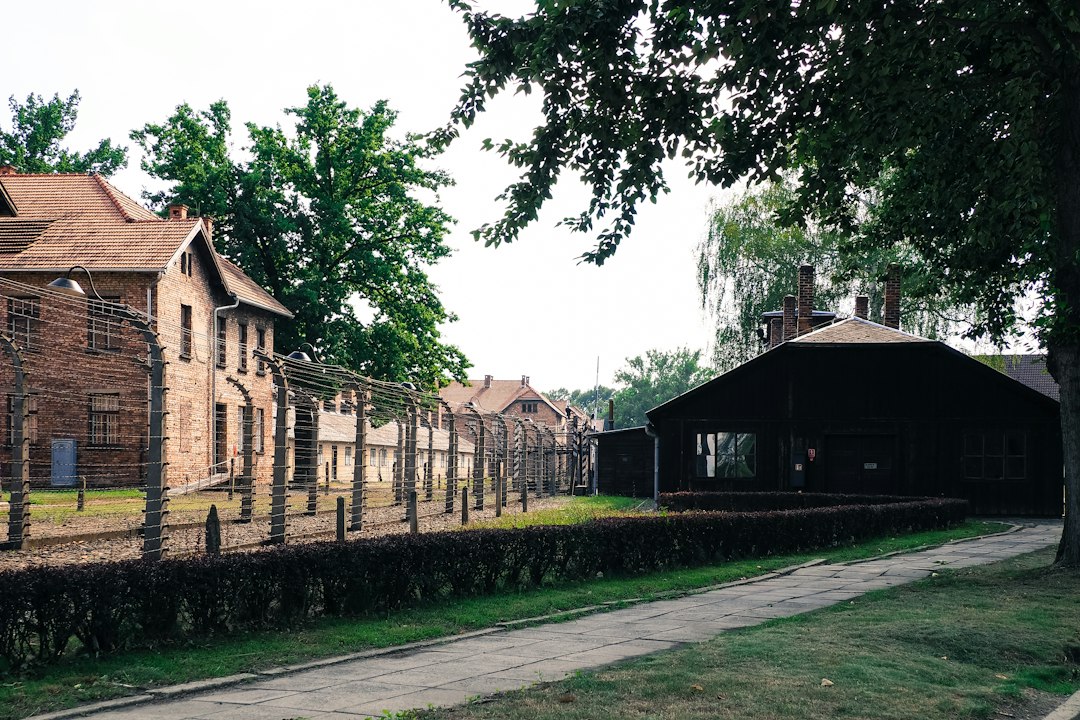
The original camp, now known as Auschwitz I, consists of a series of red brick buildings that were once Polish military barracks. Inside these blocks are the most significant permanent exhibitions. Block 4 is dedicated to the evidence of extermination and houses, behind a glass several meters long, a mountain of human hair shaved from prisoners before death: about two thousand kilograms preserved as material evidence of the crime. It is a visual experience that leaves no room for abstraction.
Block 5 contains the so-called "material evidence of the crime": thousands of objects confiscated from the deportees upon arrival — glasses, shoes, suitcases with the names of the owners still written on them, orthopedic prostheses, pots. Block 11, nicknamed the "death block," preserves the underground punishment cells, including those where prisoners were locked up standing, with no possibility of moving. In the courtyard between Block 10 and Block 11 is the Wall of Death, where thousands of people were shot.
Auschwitz II-Birkenau: the scale of extermination
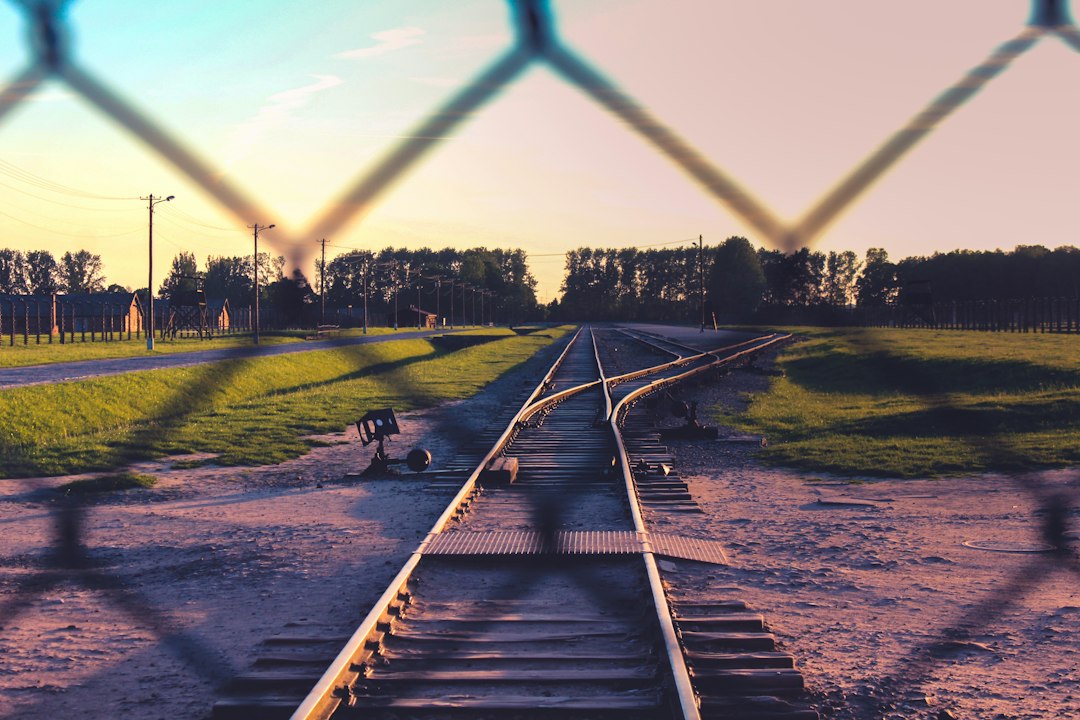
About three kilometers away from the main camp lies Auschwitz II-Birkenau, the site built starting in 1941 with enormously larger dimensions: over 170 hectares, with hundreds of original barracks or their foundations visible to the horizon. This is the place where selection took place on the railway tracks, where trains arrived directly inside the camp. The tracks are still there, as is the guard tower at the entrance, which offers a panoramic view capable of conveying, better than any word, the industrial scale of what happened.
The ruins of the gas chambers and crematoria of Birkenau were blown up by the retreating SS in January 1945, but the remains are accessible for visitation. Explanatory panels describe the functioning of the extermination process. At the center of the camp stands the International Monument to the Victims of Fascism and Nazism, inaugurated in 1967, with inscriptions in dozens of languages. Every year, on January 27 — the date of the camp's liberation by the Red Army in 1945 — an official commemoration ceremony is held here.
How to Organize the Visit Mindfully
Entry to the museum is free, but to access with an official guide — strongly recommended to understand the historical context — it is necessary to purchase a ticket for the guided tour, which costs around 45-60 Polish zloty per person (about 10-14 euros). Guided tours in Italian are available but must be booked well in advance on the official museum website, especially during the summer months when the influx is very high.
The minimum time to visit both sites — Auschwitz I and Birkenau — is at least three and a half hours, but many visitors take a whole day. The city of Kraków is about 70 kilometers away and represents the most convenient logistical base: from there, direct shuttles and regional trains depart to Oświęcim. It is advisable to arrive early in the morning, before the influx of organized groups. There is no formal dress code, but respectful behavior is required: photography in the gas chambers is ethically discouraged and prohibited in some areas.
A place that requires emotional preparation
Visiting Auschwitz is unlike any other museum experience. It is not about admiring art collections or extraordinary architecture, but about confronting the physical documentation of a mass crime. Many visitors report needing breaks during the visit. The museum provides rest areas and, for those in need, trained staff to support visitors in emotional distress.
Bringing water and food is helpful, as the visit to Birkenau takes place largely outdoors and the distances to walk are considerable. In winter, temperatures can drop below zero, making the visit physically challenging but also historically evocative: many of the prisoners died of cold in those very barracks lacking adequate heating.


