



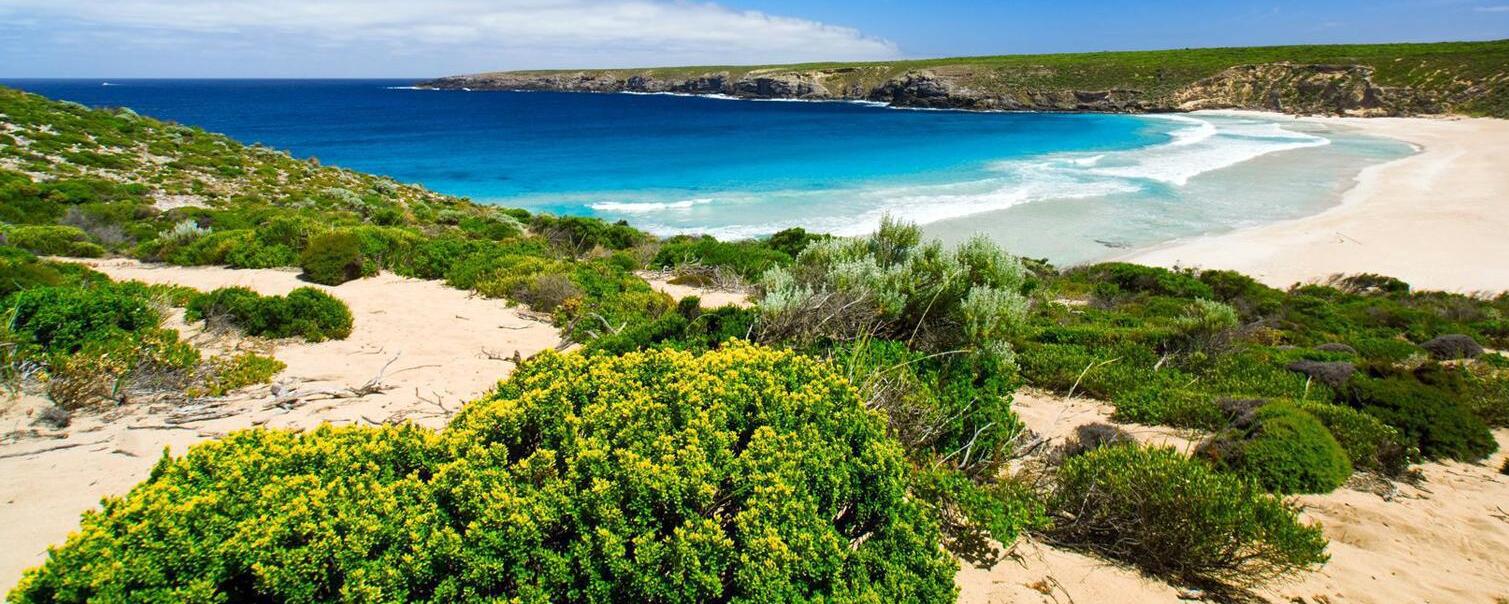
Kangaroo Island, often referred to as KI, is a treasure trove of natural beauty and wildlife, located just 13 kilometers (8 miles) off the coast of South Australia. With its breathtaking landscapes, rich biodiversity, and strong sense of community, this island is not only a sanctuary for unique flora and fauna but also a place steeped in history and culture.
### History and Origins
The history of Kangaroo Island dates back thousands of years, with the Ngarrindjeri and Kaurna peoples being the island's original inhabitants. They thrived on the island's resources, establishing a deep cultural connection to the land. In 1802, British explorer Matthew Flinders was among the first Europeans to chart the island, naming it after the kangaroos he encountered. The island saw its first European settlers in the 1830s, who were drawn by the promise of fertile land and abundant resources.
Key historical events include the establishment of Kingscote, the island's capital, in 1836. It was initially a whaling station and later became a hub for farming and fishing. Throughout the 19th century, Kangaroo Island grew as a vital part of South Australia’s economy, with its unique agricultural practices, particularly the production of local honey and sheep farming, gaining prominence. Today, remnants of its early settlements can be explored, offering a glimpse into life on the island during its formative years.
### Art and Architecture
Kangaroo Island's architectural landscape reflects its rich colonial past and natural environment. Traditional Australian colonial architecture is prevalent, with charming stone cottages and historic buildings that tell the story of early settlers. Noteworthy structures include the Cape Willoughby Lighthouse, built in 1852, which stands as a sentinel over the eastern cliffs, guiding ships through treacherous waters.
In addition to its historical buildings, the island boasts a vibrant arts scene. Local artists are inspired by the stunning surroundings, producing works that range from paintings to sculptures. The Kangaroo Island Art Gallery features a variety of artworks by local and regional artists, highlighting the island's artistic significance and commitment to community creativity. Visitors can often find unique handcrafted items, from pottery to jewelry, reflecting the island's cultural heritage.
### Local Culture and Traditions
Kangaroo Island is home to a tight-knit community that celebrates its local culture through various customs and festivals. The Kangaroo Island Seaside Festival, held annually in October, showcases the island's artistic talents and vibrant environment. It features art exhibitions, performances, and local food stalls, bringing together residents and visitors alike for a weekend of celebration.
In addition to festivals, local traditions reflect the island's agricultural roots. Farming practices and shared meals play significant roles in community gatherings. Many locals are passionate about sustainability and conservation, often participating in initiatives that protect the island's unique ecosystems and wildlife.
### Gastronomy
The island's gastronomy is as diverse as its landscapes, offering a rich array of flavors that highlight local produce. Seafood is a standout, with freshly caught fish, oysters, and mussels celebrated in various dishes. The island's climate is perfect for growing distinct varieties of grapes, making it an emerging destination for wine lovers. The Kangaroo Island Spirits distillery produces artisanal spirits, including gin infused with local botanicals, which have gained acclaim beyond the island.
Another culinary highlight is the Kangaroo Island Honey from the island's Ligurian bees, renowned for its unique flavor and quality. This delicious honey is often used in local recipes, making it a must-try for visitors. The island's farmers markets, held in towns like Penneshaw and Kingscote, provide opportunities to sample and buy local delicacies, ensuring that every meal is a taste of Kangaroo Island’s rich agricultural bounty.
### Lesser-known Curiosities
While many visitors flock to Flinders Chase National Park to see the iconic Remarkable Rocks and Admirals Arch, there are hidden gems waiting to be discovered. For example, the Little Sahara, a unique area of sand dunes, offers thrilling opportunities for sandboarding and a chance to explore a landscape reminiscent of a desert.
Another lesser-known fact is the island's unique biodiversity. It is home to the Kangaroo Island dunnart, a small marsupial found nowhere else in the world. This rare species is a testament to the island's commitment to preservation and showcases the delicate balance of its ecosystems.
### Practical Visitor Information
The best time to visit Kangaroo Island is during the spring (September to November) and autumn (March to May) when the weather is mild, and wildlife is abundant. During these seasons, the island’s flora is in full bloom, and various animal species are more active, making it ideal for nature enthusiasts and photographers.
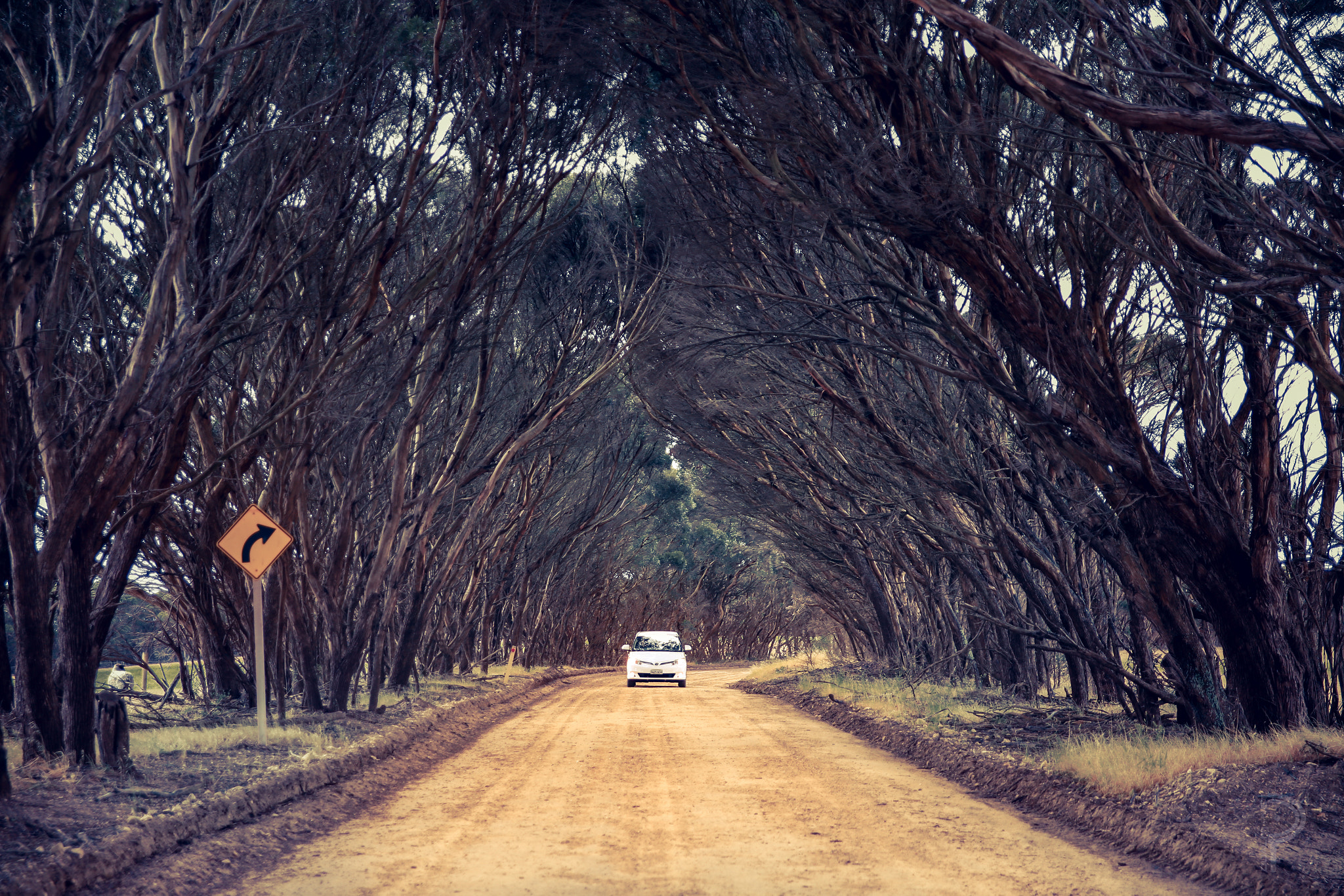
When planning your trip, consider renting a vehicle to explore the island at your own pace. While major roads are sealed, many beautiful spots require venturing onto unsealed paths. Don’t miss the chance to visit the local wineries and farms, and be sure to engage with the island’s residents to learn more about their way of life.
For a truly personalized experience, utilizing an app like Secret World can help you craft an itinerary tailored to your interests and preferences.
Kangaroo Island is a captivating destination that offers a rich tapestry of history, culture, and natural beauty, making it a must-visit for any traveler.
