
← Back

Austria | Hallstatt and Istagram

Hallstatt, Austria ★★★★☆ 207 views
Maya Wilde
Hallstatt
🏆 AI Trip Planner 2026

Get the free app

Discover the best of Hallstatt with Secret World — the AI trip planner with 1M+ destinations. Get personalized itineraries, hidden gems and local tips. Free on iOS & Android.

🧠 AI Itineraries 🎒 Trip Toolkit 🎮 KnowWhere Game 🎧 Audio Guides 📹 Videos
Download on the App Store Get it on Google Play
Scan to download Scan to download
Austria | Hallstatt and Istagram - Hallstatt | Secret World Trip Planner

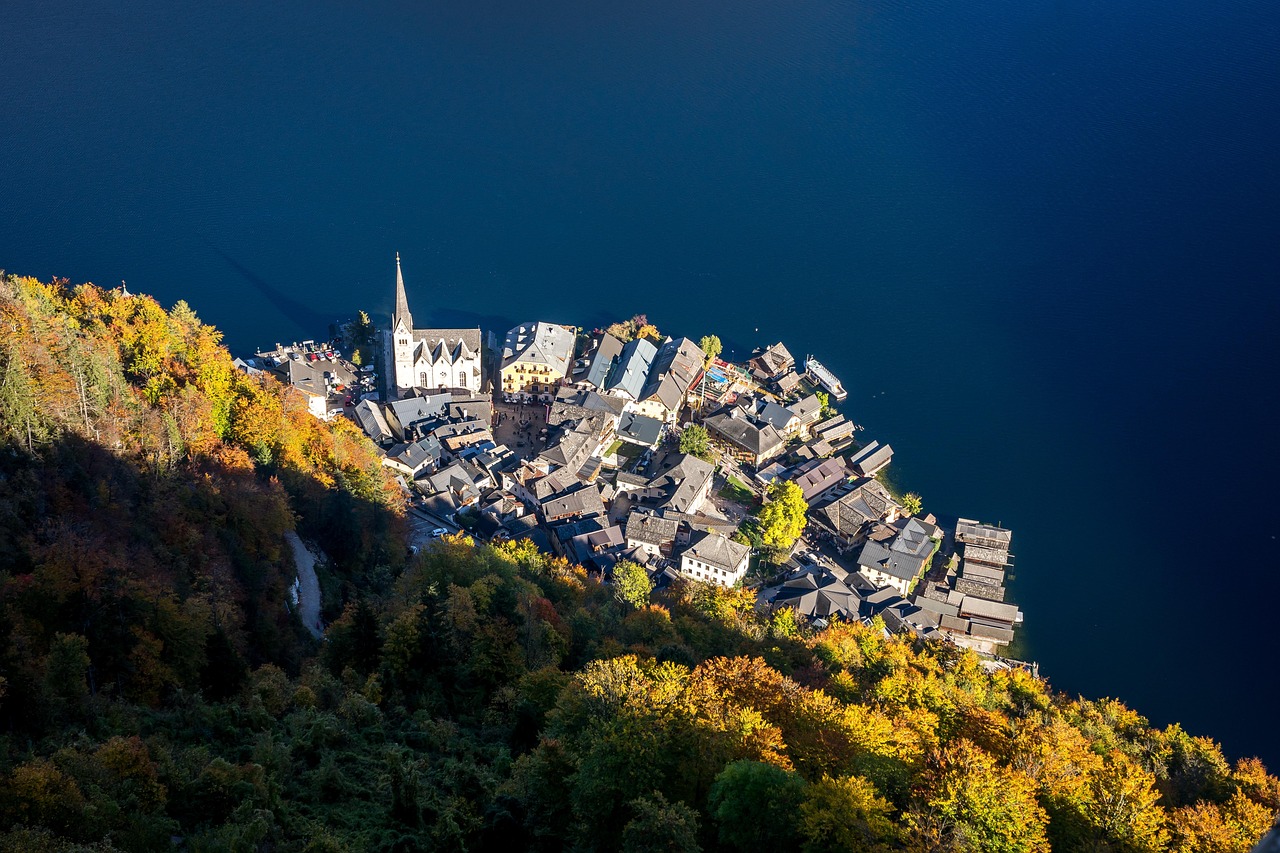
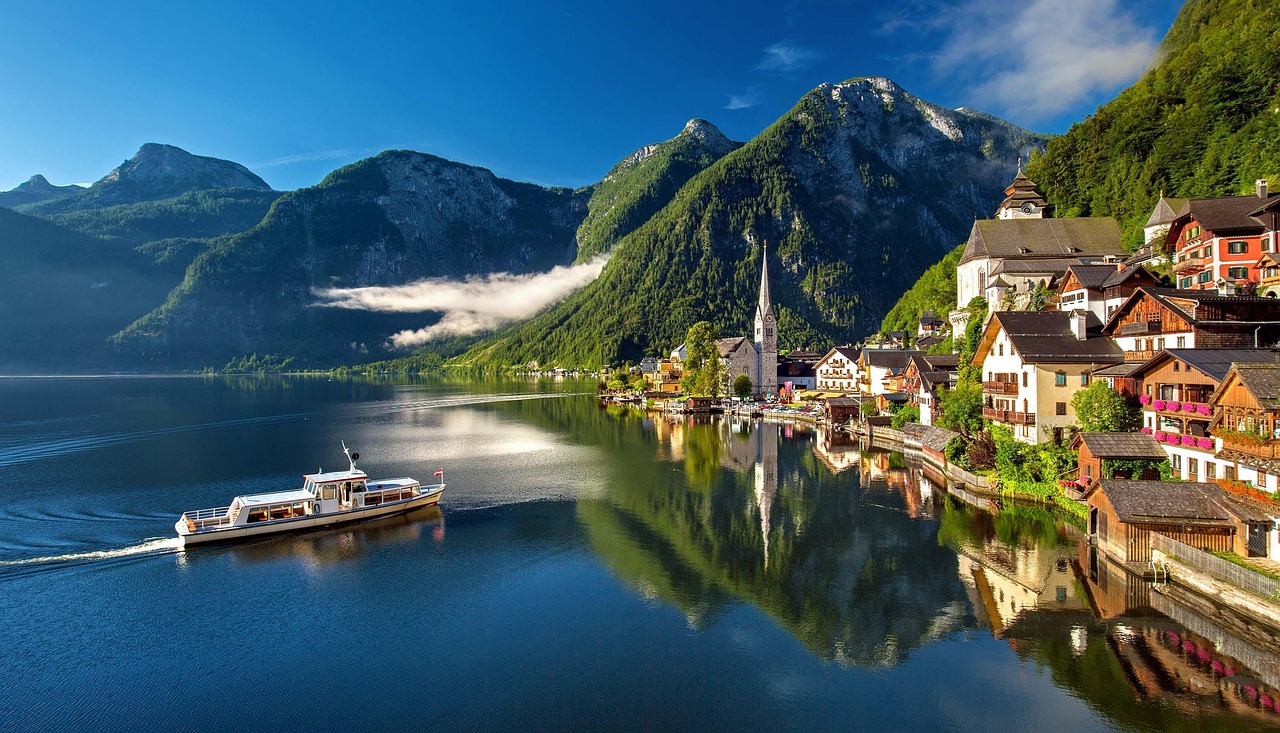
Nestled between the towering peaks of the Salzkammergut mountain region and the shimmering waters of Lake Hallstatt, the village of Hallstatt is more than just a picturesque postcard. It is a living tapestry woven from rich history, breathtaking landscapes, and vibrant culture, all of which make it one of the most enchanting destinations in Austria.

Austria | Hallstatt and Istagram - Hallstatt | Secret World Trip Planner

### History and Origins

The origins of Hallstatt can be traced back to prehistoric times, with evidence of human settlement dating back to around 5,000 BC. The area gained notoriety during the Hallstatt period (circa 800-400 BC), named after the village due to its significant salt deposits. The salt mines, still operational today, are the oldest in the world, and salt has been a vital resource, shaping the region's economy and culture for millennia.

Austria | Hallstatt and Istagram - Hallstatt | Secret World Trip Planner

In 1997, Hallstatt was designated a UNESCO World Heritage Site, acknowledging its importance not only for its natural beauty but also for its historical significance. The village has witnessed many key events, including its strategic importance during the Middle Ages when it became a center for salt trade, contributing to the prosperity of the Habsburg Empire.

### Art and Architecture

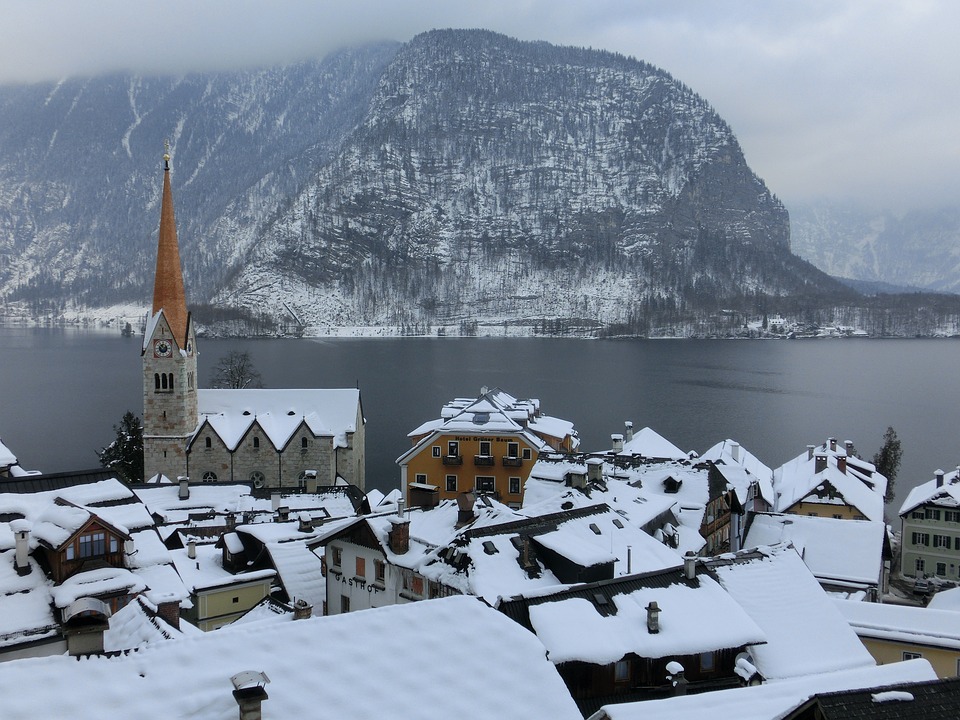
The architecture of Hallstatt is a stunning reflection of its alpine surroundings, featuring 16th-century buildings adorned with wooden balconies and colorful facades. The Alpine style is prevalent throughout the village, characterized by steep roofs and intricate woodwork that blend seamlessly with the landscape.

One of the architectural highlights is the Evangelische Pfarrkirche, a Protestant church that dates back to the 19th century, offering stunning views of the lake from its bell tower. Inside, the church features remarkable artworks, including beautiful stained glass windows that depict biblical stories, enhancing its artistic significance.

### Local Culture and Traditions

Hallstatt's culture is deeply rooted in its historical reliance on salt mining, which continues to influence local customs and traditions. The Salzfest, or Salt Festival, held every September, is a vibrant celebration of the village's heritage, featuring traditional music, dance, and culinary delights. Visitors can immerse themselves in the authentic atmosphere as they witness local artisans showcase their crafts.

The village also celebrates Advent with a charming Christmas market, where locals sell handcrafted ornaments and seasonal treats, infusing Hallstatt with a festive spirit that attracts visitors from near and far.

### Gastronomy

Culinary experiences in Hallstatt are as rich as its history. The local cuisine features hearty dishes that reflect the alpine lifestyle. One must-try is the Hallstätter Forelle, a freshwater trout caught from the lake, often grilled or smoked and served with seasonal vegetables.

Another local delicacy is Kaiserschmarrn, a fluffy shredded pancake typically served with fruit compote. For those seeking something to warm the soul, a cup of Glühwein (mulled wine) is perfect during the colder months, offering a taste of Austrian hospitality.

### Lesser-known Curiosities

Beyond its stunning vistas and historical significance, Hallstatt has some hidden gems that many tourists overlook. One fascinating aspect is the Bone House located next to the St. Michael's Chapel. This charnel house contains over 600 painted skulls, a unique tradition stemming from the village's limited burial space. The skulls, artistically decorated, reflect the personalities of the deceased and serve as a poignant reminder of the villagers' relationship with life and death.

Additionally, the village's nickname, "the most unstable city in the world," stems from the fact that Hallstatt is often subject to rockslides and landslides due to its precarious location. This has led to ongoing restoration and preservation efforts to ensure the safety and longevity of this UNESCO site.

### Practical Visitor Information

The best time to visit Hallstatt is during the spring and early autumn months (April to June and September to October). During these periods, the weather is mild, and the crowds are thinner, allowing for a more intimate experience of the village.

When planning your visit, consider taking the funicular railway to reach the Salzwelten (Salt World), where you can explore the ancient salt mines and enjoy panoramic views from the observation platform. Don't miss the scenic walking paths leading to the Echern Valley and the Waldbachstrub waterfall, both of which offer serene hiking opportunities.

For a more personalized experience, consider using the Secret World app to tailor your itinerary and uncover the hidden treasures of Hallstatt.

🗺 AI Trip Planner

Plan your visit to Hallstatt

Suggested itinerary near Austria | Hallstatt and Istagram

MAJ+
500.000+ travelers worldwide
  1. 🌅
    Morning
    Austria | Hallstatt and Istagram
    📍 Hallstatt
  2. ☀️
    Afternoon
    Hallstatt is a pretty village in Austria
    📍 0 km da Hallstatt
  3. 🌆
    Evening
    Hallstatt...a magic place to see
    📍 0 km da Hallstatt

Buy Unique Travel Experiences

Powered by Viator

See more on Viator.com

Explore nearby · Hallstatt